The Juicy Goodness of Watermelon: A Quintessential Summer Superfood

A quintessential summer snack, watermelon satisfies your sweet tooth while also keeping you cool and refreshed. What’s more? All parts of the fruit are edible: the flesh is an excellent source of essential vitamins and minerals, the rind contains antioxidants and fibre and the seeds are high in protein and good fats. No matter how you slice it, this superfood is loaded with health benefits! Read on to learn why we’re all about watermelon this month.

Read: 3 Health Goals You Can Actually Achieve In A Summer

THE BENEFITS Aqua pura

It’s right there in the name—this melon is an excellent source of water. Researchers suggest that watermelons were originally cultivated in Africa for their high water content, so they could be stored and consumed during the dry season. Hydration is essential for every cell in your body, and getting enough water is especially important during the hot summer months. This superfood’s water and fibre content work together to promote a healthy gut, preventing constipation and promoting regular bowel movements. Sufficient water intake is also vital for keeping your skin healthy and radiant.

Read: Daily Foods Which Boosts Sex & Kills Sex

Crimson king

According to a recent study, watermelon is touted as the best source of lycopene, usurping the throne from tomatoes. Lycopene is a phytonutrient and natural pigment that gives watermelons, tomatoes and grapefruit their red colour. It also has powerful antioxidant and anti-inflammatory effects on the body. Lycopene has been linked to decreased risk of cancer, heart disease and age-related eye disorders. To maximize your intake of lycopene, choose a watermelon variety with deep red flesh and allow it to ripen fully—the redder, the better!

Peel out

Watermelon is a rich source of the amino acid citrulline, concentrated in the rind and the white flesh nearest to it (but you can also get it from watermelon extract). Citrulline is readily used by the body, and with the help of enzymes, it’s converted into arginine (another amino acid). Arginine is important for maintaining cardiovascular health, as it stimulates nitric oxide in the body, which relaxes the blood vessels and may have a beneficial effect on blood pressure and erectile dysfunction. The dilation of blood vessels also helps to increase oxygen delivery to the muscles, improving exercise performance and recovery after working out.

Read: 5 ways to BOOST YOUR HEART HEALTH

Can you discuss penile implants for erectile dysfunction? I have tried various treatments but haven’t had success.

There are several options for treating erectile dysfunction, including medications, injectable drugs, and devices such as vacuum pumps. These methods are effective for most men, with the three different pills for ED working about 70 percent of the time. However, if these treatments haven’t helped, you may want to consider a penile implant or prosthesis. This allows you to have an erection at any time and maintain it for as long as you want.

Read : Penile Implant Surgery Cost in India

There are two types of penile implants: inflatable and semirigid rods. Inflatable implants consist of a fluid-filled reservoir in the abdomen, a pump with a release valve in the scrotum, and two inflatable cylinders in the penis. Squeezing the pump transfers fluid from the reservoir into the cylinders, causing an erection. Two-piece implants have fluid-filled reservoirs in the rear portion of the cylinders, with the pump in the scrotum. On the other hand, semirigid rods are bendable rods that are pointed downward to conceal the penis under clothing.

Most patients opt for an inflatable device as it looks more natural than semirigid rods. However, inflatable implants carry the risk of mechanical trouble, which may require surgical repair. On the other hand, malleable devices are easier to manipulate and simpler to insert surgically, but the rods always remain firm and are harder to conceal.

It’s important to meet with a doctor before the surgery, so you and your partner understand the risks and benefits of the procedure and how the device works. If you’re in India, you can consider consulting with Dr. Rupin Shah at EDTreatmentIndia, a leading center for penile implant surgeries in the country.

While penile implants may seem intimidating, they can be a last resort for those who have tried other treatments without success. If you know what to expect from a penile implant, you and your partner are more likely to be satisfied with the results.

For more information, please visit website www.edtreatmentindia.com or consider scheduling a consultation with EDTreatmentIndia in India.

4 Current Food Trends Worth Incorporating Into Your Diet

Food trends come and go, but some stick around for good reason. Incorporating certain foods into your diet can have numerous health benefits, from boosting your immune system to reducing inflammation. Here are four current food trends that are worth trying.

Read : Obesity Surgery in India Blog

  1. Fermented Foods

Fermented foods have been around for centuries, but they’re experiencing a resurgence in popularity due to their potential health benefits. Kimchi, sauerkraut, and kefir are just a few examples of fermented foods that are rich in probiotics. Probiotics are beneficial bacteria that live in your gut and play a crucial role in maintaining your overall health. Eating fermented foods can help improve your gut health, reduce inflammation, and boost your immune system. They’re also high in antioxidants and have been linked to a lower risk of certain diseases, such as cancer.

Read : The Delicious Food Blog

  1. Plant-Based Protein

If you’re looking for an alternative to meat, chicken, and fish, plant-based protein is an excellent option. Lentils, beans, and chickpeas are all excellent sources of protein and have a meaty texture that can satisfy even the most carnivorous of appetites. Plant-based protein is also low in fat and cholesterol, making it an excellent choice for maintaining heart health. Additionally, these foods are high in fiber, which can help you feel full and satisfied for longer periods of time.

  1. Turmeric

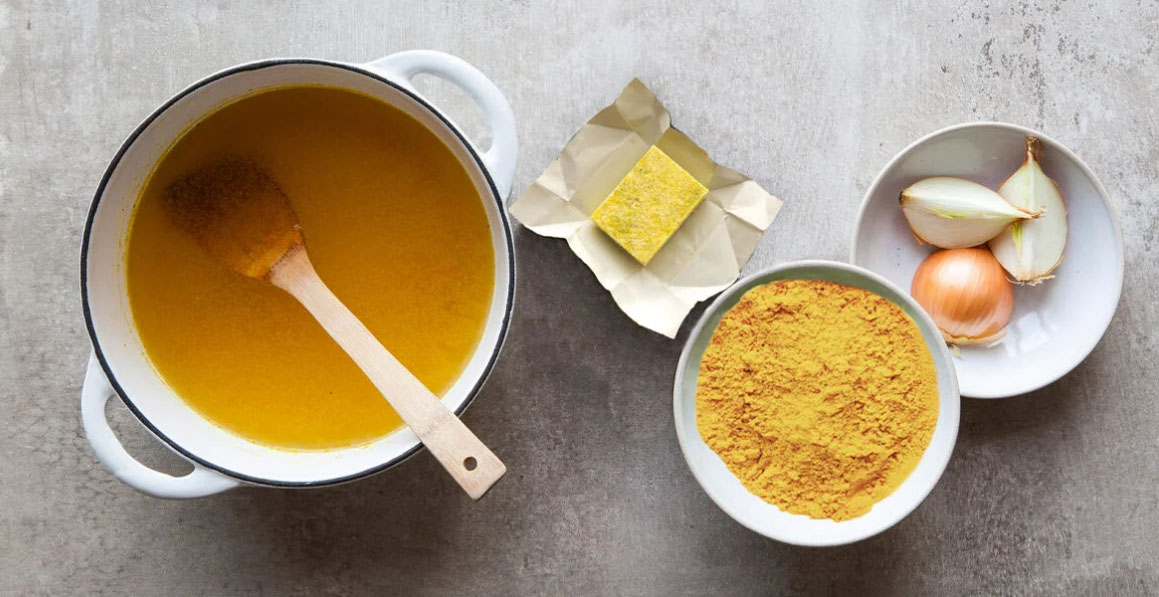
Turmeric is a spice that’s commonly used in Indian and Middle Eastern cuisines. It contains a powerful antioxidant called curcumin, which has been linked to a variety of health benefits. Curcumin has anti-inflammatory properties, which can help reduce inflammation throughout your body. It’s also been shown to alleviate oxidative stress, which can contribute to the development of chronic diseases such as cancer and heart disease. Turmeric can be added to a variety of dishes, from soups and stews to curries and rice dishes.

Read : Pregnant women need more vitamin D than sunshine

  1. Bone Broth

Bone broth is made by simmering bones and connective tissue for a long period of time. This process results in a rich, flavorful liquid that’s packed with nutrients. Unlike stock, which typically uses bones and no connective tissue or meat, bone broth is an excellent source of collagen and anti-inflammatory gelatin. These nutrients are beneficial for healthy skin, hair, nails, and joints. Bone broth can be sipped on its own, used as a base for soups and stews, or used to cook grains such as rice and quinoa.

Incorporating these four food trends into your diet can have numerous health benefits. From improving your gut health to reducing inflammation, these foods are packed with nutrients that can help you feel your best. So next time you’re planning your meals, consider adding some fermented foods, plant-based protein, turmeric, or bone broth to your plate.

Aster Medcity in Kochi excels in robotic surgery, ranks 4th in world

Aster Medcity, Kochi announced the successful completion of 1750 minimal access robotic surgeries (MARS) using the da Vinchi system in an event conducted in the southern Indian city recently.

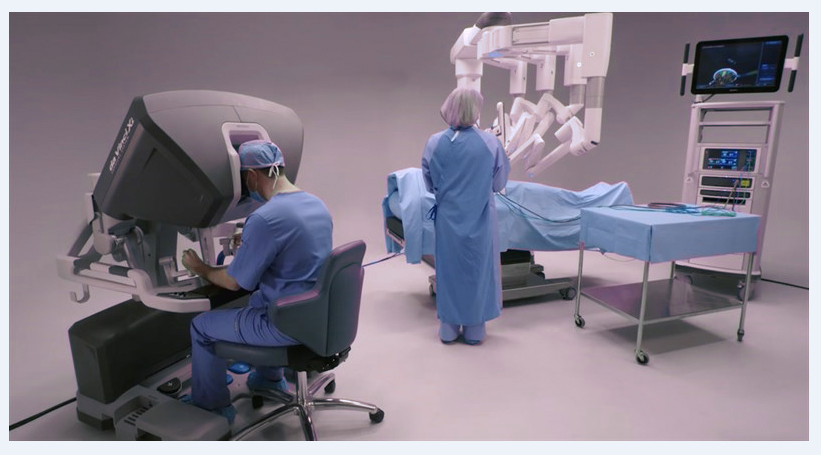
Being one of the most active robotic surgery centres in the state of Kerala, Medcity performed 230 kidney transplants alone via MARS. Robotic surgeries are highly specialised and advanced minimal access procedures that are performed by surgeons with the help of a surgery robot like the da Vinci at Aster Medcity Kochi.

Being a minimal access procedure, robotic surgeries are safer and surgeons can ensure high precision results compared to conventional surgeries. The associated pain, complications, blood loss and scarring are way lesser compared to normal surgeries, which in turn translates to faster recovery.

The hospital stay and postsurgery recovery period are minimal as well, and patients can get back to their normal lives in a very short time. Led by a team of highly skilled robotic surgery experts, Medcity offers robotic procedures in Urology, Gynaecology, Oncology, gastroenterology and liver transplant for patients of all ages.

“MARS is a highly advanced robotic procedure that performs minimally invasive surgeries with utmost precision. With the expertise of robotic tools, it is possible to perform operations on any sensitive part of the body with great precision. Therefore, complex surgeries can be completed very skillfully and successfully,” said Dr Kishore T A, senior consultant – Urology, Aster Medcity.

Aster Medcity is the first facility in Kerala to offer high-precision robotic surgeries using the da Vinci surgery system.

One of the only facilities in the country to offer highly specialised robotic liver and pancreas surgery, Aster MARS is the third centre in the world to perform a robotic transvaginal renal transplant surgery and the first in India to perform a robotic kidney tumour removal.

“As a leader in the healthcare society, we own the privilege of introducing the best and most advanced treatment options available in the world. With our advances in robotic surgery, we will be able to be more responsible and implement advanced medical technologies like this in the future as well,” said Farhan Yasin, Regional Director of Aster Hospital, Kerala & Oman Cluster.

“This state-of-the-art facility offers our patients advanced surgical options and help them to regain and lead their normal life. With the support of Ministry of Health complex medical services similar to the present case would be done in the upcoming Aster Royal Hospital in Muscat.”

Experts discuss importance of women’s health

A virtual conference on women’s health and technology was organised by the IndoAmerican Chamber of Commerce, North India Council (IACC-NIC) as a part of G20 conventions, celebrating 75 years of Indo-US relations on Tuesday.

The event was graced by several specialists, health professionals, social workers and field experts from India and abroad who have been working in the field of women’s health and technology.

Chief guest Lav Agarwal, additional secretary of ministry of family health and welfare, Government of India, spoke about how good health and hygiene are intrinsic to gender equity.

He also spoke of various government schemes like ‘Beti Bachao Beti Padhao’ and ‘Anaemia Mukt Bharat’ and how the latter reached 45 crore women and children in the last six years.

Addressing the event, Sangita Patil, India health director with the United States Agency for International Development (USAID), said women’s health is at the core of development and that the link between their health and economic development too is undeniable.

Dr Naresh Trehan, managing director, Medanta Heart Institute, Gurugram, spoke about the importance of knowing one’s family genetics as heart diseases, cancer and osteoporosis can often be hereditary.

He stressed that over the years, more importance had been given to women’s health as compared to the past. “Some women may also have a genetic predisposition to breast cancer,” said Dr Trehan while emphasising the importance of regular testing for women.

The regional vice president, IACC-NIC, delivered the vote of thanks while noting the importance of diagnostic tools, products and technologies introduced to improve women’s health. The event was co-organised by Yashoda Super Speciality Hospitals.

ARE YOU TIRED OF FEELING TIRED?… EVER WONDERED WHAT YOU’RE TRULY CAPABLE OF?

As men reach their 30’s, Testosterone levels can begin to drop below the optimal range, resulting in symptoms such as low libido, energy and mood, brain fog, erectile dysfunction, reduced muscle mass/weakness, lack of motivation, lowered self-confidence and depression. If any of this resonates, Alphagenix might be able to help. Our medical team are passionate about improving the quality of life for men nationwide through education, investigation, diagnosis and the treatment of low Testosterone levels through TRT

(hormone replacement therapy).

Starting with a comprehensive blood test, our medical team will advise on the various lifestyle factors affecting hormones including nutrition, supplementation, exercise and sleep before prescribing TRT if appropriate.

This blended approach of treatment in conjunction with lifestyle changes can result in:

• Improved erectile function

• Improved mood, concentration, and drive

• Reduced aches and pains

• Improved mental acuity

• Better muscle strength

• Faster recovery post exercise

• Improved bone density

• More assertiveness

• Improved outlook on life

Book a FREE DISCOVERY CALL today to discuss your symptoms and find out whether our services including the D.I.S.C program (Diagnosis, Intervention, Support and Continual Monitoring) are right for you.

COPING WITH YOUR PARTNER’S PROSTATE CANCER

Igot the results. I have prostate cancer.” It’s the text message no woman wants to receive from their partner.

Senior couple talking with doctor.

But those were the very words that popped up on Katrina Gilruth’s screen while she was at work in August 2020, just one year into her long-distance relationship with Ross.

Read: Prostate Cancer and Erectile Dysfunction

“I’m the kind of person who thinks a lot and you can’t help but think the worst could happen,” she recalls.

“I got upset for him, and myself. I thought, ‘Why him? Why so early in our relationship?’”

Soon after, Katrina, 42, moved from Sydney to Canberra where she was able to work remotely and support Ross while he underwent a radical prostatectomy. While successful in removing the cancer, the treatment has left Ross, 57, with incontinence and intimacy challenges.

“We were thrown into this so quickly and [I knew the] surgery would change [intimacy] for the rest of our lives,” Katrina says.

While Katrina took some comfort in the fact 95 per cent of prostate cancer patients survive at least five years after their diagnosis, she says every check-up reignites fears of a worstcase scenario.

“You hold the feelings in and try to be strong for him,” she says.

But Katrina isn’t alone in her story; behind many of the 24,000 men diagnosed with prostate cancer each year in Australia stands a loving partner who is often as rocked by the diagnosis and treatment as the patient themselves.

So, how can you look after yourself if you find your relationship navigating the daunting world of a prostate cancer diagnosis?

LISTEN UP

As much as you might want to pour your feelings out to your partner, Prostate Cancer Foundation of Australia psychologist Tracey Gardner says some men can struggle talking about personal matters.

“Women often like to talk things through, that’s how we cope, whereas men often have an internal processing style of coping, preferring to nut things out for themselves,” she says.

She suggests asking if your partner wants to talk and understanding if they need to silently process the news initially.

“Let him know that you’re here to talk when he’s ready, providing opportunities for

him to talk things over if he’s open to it, and taking things slowly. It’s important to also respect your partner’s preferred style of coping,” she suggests.

Sometimes, turning to friends, extended family or a psychologist who understands the impact of cancer can help women process their experiences.

“The focus is often all on the person with the cancer, but it’s important that partners can talk it through with someone, especially if their partner is an internal processor,” Tracey says.

“It’s important to acknowledge that there are many losses for both parties following the treatment for prostate cancer, including sexual dysfunction and incontinence, as well as fears around mortality, financial security and fears for your future health and lifestyle.”

KEEP HEALTHY

It might be tempting to stop all activities to put your energy into supporting your partner, but Tracey suggests putting your trust in the health team and continuing to make time for yourself.

“Women are well known for putting our own needs last but remember the oxygen mask analogy; we need to fit your own oxygen mask in a plane so we can best help others,” she says.

“It’s important to keep up our own appointments with self-care, including social connection and relaxation.”

BREAK IT DOWN

The word “cancer” can make us assume the worst, but Tracey advises it’s far more valuable to take things one day at a time.

“Our brains are wired to immediately jump to the future worst-case scenario; that’s helpful if you’ve been told there’s a big brown snake at the back door because your brain will jump to worst case and stop you from stepping out unaware. But with cancer, the actual threat past the initial treatment is often imagined and not always reality,” she says.

“It’s important to focus on the present and what the next step is, rather than getting ahead of the plan.”

With fructose being linked to metabolic disorders, is it time to limit your fruit intake?

As new research links too much fructose with metabolic disorders, should you cap your fruit intake?

Read : Health and Wellness Blog India

With, perhaps, the exception of your nightly eight hours, there are few health targets as etched into our collective consciousness as the five-a-day. And yet, the number keeps on climbing, with recent research pointing to the benefits of upping your daily intake of fruit and veg portions to seven or even 10 a day – the latter has been shown to help protect against heart disease, high blood pressure and some cancers.

There’s just one potential snag. With studies linking high consumption of fructose – a natural sugar found in fruit – with metabolic disorders, can you have too much of a good thing?

A quick glance at the research would suggest so. There’s a great deal of evidence to show that high intake of fructose is associated with an imbalance in cholesterol levels, high blood pressure and fatty liver disease, along with other metabolic disorders, such as heart disease.

But dig into how those studies were conducted and you begin to see why fruit is actually innocent.

First, such studies were observational, meaning we can’t conclude with any certainty that the fructose was responsible. What’s more, they primarily investigated the effects of high-fructose corn syrup, which is a concentrated form of fructose and a common type of free (or added) sugar found in doughnuts, cakes and the like. It’s also one we should all be reducing our intake of.

Any advice to limit sugar intake doesn’t apply to fresh fruit, though. That’s because the fructose found in fruit is released into your bloodstream much slower and doesn’t spike your blood sugar like a biscuit does. That fruit is also packed with vitamins, minerals and antioxidants only makes the case for eating more of it stronger.

But it’s advice that comes with a caveat. Dried fruit is a more concentrated source of fructose, so the recommended portion size is smaller (30g rather than 80g). And the way that smoothies and fruit juice are processed releases sugars from the cells, making them ‘free’, which increases their sugar content. It’s why you should stick to 150ml of fruit juice or smoothie a day.

Still struggling to find the right balance? A 2021 study* concluded that splitting your five-a-day into two portions of fruit and three portions of veg is an optimal ratio. Shooting for 10-a-day? Make it three and seven.

Heartbreak and healing A VOTE FOR LOVE!

Auckland advocates Troy and Tabetha found love after loss as local board members

Health and Wellness Blog India

In 2020, when Troy Elliott lost his wife Tracey to breast cancer after 20 years of marriage, he was battle-weary and grieving. Finding love again was the furthest thing from his mind.

But a drive to fight for access to cancer drugs – which pushed Troy to enter local politics – has unexpectedly led him to a new romance and healing from heartbreak.

This month, the O¯ ra¯kei local board member married Manurewa member Tabetha Gorrie in a moving ceremony at Auckland’s Holy Trinity Cathedral, with their first child due in September.

“Normally when two politicians meet, it ends up in tears – yet this time it’s ended up in rings and a baby,” laughs Troy. “We got to know each other after we were both elected to our local boards and discovered we were both going through our own battles.

“Tabetha’s marriage had broken down during the same time that Tracey had passed away. As good friends, we were able to support and console each other. Neither of us believed there was any chance of love at the time.

Catherine Life Weblog

“Me, being 22 years older than her, thought, ‘What would a young woman see in an old bugger like me?’ But then the realisation hit that it was becoming a bit more than friendship.”

Tabetha agrees, “I really admired Troy’s frankness and his political knowledge, and I was amazed by the way he handled Tracey’s passing while still advocating for cancer patients.”

They quickly became inseparable and, knowing just how short life can be, the 53-year-old decided to spontaneously propose to Tabetha, 31, under the blood moon in May last year.

“It was very romantic,” she says, smiling at him. “He presented me with his grandmother’s antique diamond engagement ring. Then we toasted with Champagne for us and lemonade for our two boys, Matthew [eight] and Joshua [five], and set about planning the wedding.”

Very well health fitness blog

Troy says they had no plans to have children together. However, in January, there was “shock and happiness” when he found out his fiancée was pregnant. It will be his first child.

“Early on, Tracey and I had decided we didn’t want children and I had no desire to have them at all, until I got to know Tabetha and her two monkeys,” he admits.

“I realised that I probably am a big child at heart. I absolutely loved spending time with them and consider them part of my family now.

To add a new baby boy is the icing on the wedding cake!”

The pregnancy only caused one problem. When Tabetha went to her final wedding dress fitting, it didn’t cater for a seven-monthspregnant body.

“I had to race to Modes Bridal Boutique on the Saturday before the wedding,” she laughs. “There was one dress on the shelf that fit perfectly and obviously was meant to be.”

“And she looked spectacular on the day!” adds Troy, revealing he was a bundle of nerves beforehand. “Reverend Anne Mills calmed me down, but I still had tears flowing as Tabetha walked down the aisle.”

The lovebirds said their funny and personal vows – Troy promised to fold the towels properly “because I’m bloody useless” – in the beautiful Bishop Selwyn

Health Revolution

‘To add a new baby boy is the icing on the wedding cake!’

Chapel at the back of the cathedral.

Both Tabetha’s boys loved being included in the wedding as well, with Joshua being the ring bearer and Matthew performing a reading, before the newlyweds danced out of the church to the Harry Styles hit Watermelon Sugar.

“It enabled us to laugh and smile at the end of a big service full of emotion,” explains Troy, whose 83-year-old father, former MP John Elliott, was gravely ill and unable to attend the service. Sadly, John passed away 10 days after the wedding, but the couple plan to name their new son Jonathan in honour of his memory.

Both John and Tracey were mentioned during the emotional speeches – MC’d by Auckland councillor Desley Simpson, before Tabetha and Troy enjoyed their first dance to Clinton Kane’s I Guess I’m In Love.

“We chose it simply based on the lyrics, which really match our feelings for each other,” tells Troy. “The words say, ‘You’re everything that I want, but I didn’t think I’d find… Someone who is worth the wait of all the years of my heartbreak. With you, I see hope again.’”

When we chat to the happy lovebirds, they are fresh from their honeymoon/babymoon in Fiji. Asked if they talked politics at all on their holiday, they don’t hesitate in replying wryly, “Ah, we didn’t talk about anything else!”

Troy adds, “To us, work is 24-7. We enjoy bouncing around policy ideas together and planning them out in preparation for the busy months ahead with the campaign period starting. My political career has been one of the lowest paying roles I’ve had since I was 20 years old, but the most rewarding – I feel like I’m achieving something.”

Although his late father never doubted his son would end up in politics, for Troy, the realisation slowly crept up on him when he began battling to make cancer treatment more accessible.

When his first wife Tracey was diagnosed with stage 4 breast cancer in 2014, she was told she only had two weeks to live. But in fact, “the true warrior” lived for another six years, thanks to the couple selling their house so Tracey could afford cancer drug Kadcyla, which cost almost $9000 every three weeks.

“We were forced to do that because, like so many New Zealanders, we weren’t able to pay for these drugs that were phenomenally out of everybody’s reach,” says Troy. “But, of course, we would have done anything as Tracey battled so strongly to live. We agreed to start on Kadcyla, which was already fully funded in the UK and Australia.”

Troy says the drug halved Tracey’s cancer count and significantly reduced the size of her tumour.

“Together we fought and advocated for two different drugs over time – Kadcyla for HER-2 positive metastatic breast cancer and Alecensa for positive advanced non-small cell lung cancer, which both were made publicly available, thankfully, and extended Tracey’s life.

Travel Tips & Tricks ideas

“She was unusual in that she never thought she was actually going to die,” says Troy. “Even when the rest of us knew the end was near, she was planning how she was going to come home from being in care at a retirement village.”

Tracey died on 31 October 2020 – the last day of Breast Cancer Awareness month. Troy was out collecting for the Breast Cancer Foundation when he got a call to say she had passed.

“Life as I knew it stopped,” he says. “I had been through six and a half years of caring and fighting for Tracey, but I knew I would continue with cancer advocacy until the day I take my last breath.”


Design a site like this with WordPress.com
Get started