With fructose being linked to metabolic disorders, is it time to limit your fruit intake?

As new research links too much fructose with metabolic disorders, should you cap your fruit intake?

Read : Health and Wellness Blog India

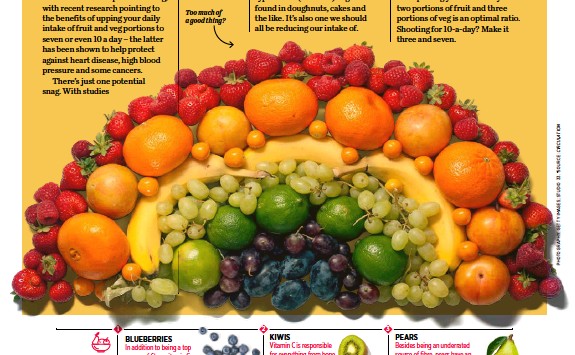
With, perhaps, the exception of your nightly eight hours, there are few health targets as etched into our collective consciousness as the five-a-day. And yet, the number keeps on climbing, with recent research pointing to the benefits of upping your daily intake of fruit and veg portions to seven or even 10 a day – the latter has been shown to help protect against heart disease, high blood pressure and some cancers.

There’s just one potential snag. With studies linking high consumption of fructose – a natural sugar found in fruit – with metabolic disorders, can you have too much of a good thing?

A quick glance at the research would suggest so. There’s a great deal of evidence to show that high intake of fructose is associated with an imbalance in cholesterol levels, high blood pressure and fatty liver disease, along with other metabolic disorders, such as heart disease.

But dig into how those studies were conducted and you begin to see why fruit is actually innocent.

First, such studies were observational, meaning we can’t conclude with any certainty that the fructose was responsible. What’s more, they primarily investigated the effects of high-fructose corn syrup, which is a concentrated form of fructose and a common type of free (or added) sugar found in doughnuts, cakes and the like. It’s also one we should all be reducing our intake of.

Any advice to limit sugar intake doesn’t apply to fresh fruit, though. That’s because the fructose found in fruit is released into your bloodstream much slower and doesn’t spike your blood sugar like a biscuit does. That fruit is also packed with vitamins, minerals and antioxidants only makes the case for eating more of it stronger.

But it’s advice that comes with a caveat. Dried fruit is a more concentrated source of fructose, so the recommended portion size is smaller (30g rather than 80g). And the way that smoothies and fruit juice are processed releases sugars from the cells, making them ‘free’, which increases their sugar content. It’s why you should stick to 150ml of fruit juice or smoothie a day.

Still struggling to find the right balance? A 2021 study* concluded that splitting your five-a-day into two portions of fruit and three portions of veg is an optimal ratio. Shooting for 10-a-day? Make it three and seven.

Heartbreak and healing A VOTE FOR LOVE!

Auckland advocates Troy and Tabetha found love after loss as local board members

Health and Wellness Blog India

In 2020, when Troy Elliott lost his wife Tracey to breast cancer after 20 years of marriage, he was battle-weary and grieving. Finding love again was the furthest thing from his mind.

But a drive to fight for access to cancer drugs – which pushed Troy to enter local politics – has unexpectedly led him to a new romance and healing from heartbreak.

This month, the O¯ ra¯kei local board member married Manurewa member Tabetha Gorrie in a moving ceremony at Auckland’s Holy Trinity Cathedral, with their first child due in September.

“Normally when two politicians meet, it ends up in tears – yet this time it’s ended up in rings and a baby,” laughs Troy. “We got to know each other after we were both elected to our local boards and discovered we were both going through our own battles.

“Tabetha’s marriage had broken down during the same time that Tracey had passed away. As good friends, we were able to support and console each other. Neither of us believed there was any chance of love at the time.

Catherine Life Weblog

“Me, being 22 years older than her, thought, ‘What would a young woman see in an old bugger like me?’ But then the realisation hit that it was becoming a bit more than friendship.”

Tabetha agrees, “I really admired Troy’s frankness and his political knowledge, and I was amazed by the way he handled Tracey’s passing while still advocating for cancer patients.”

They quickly became inseparable and, knowing just how short life can be, the 53-year-old decided to spontaneously propose to Tabetha, 31, under the blood moon in May last year.

“It was very romantic,” she says, smiling at him. “He presented me with his grandmother’s antique diamond engagement ring. Then we toasted with Champagne for us and lemonade for our two boys, Matthew [eight] and Joshua [five], and set about planning the wedding.”

Very well health fitness blog

Troy says they had no plans to have children together. However, in January, there was “shock and happiness” when he found out his fiancée was pregnant. It will be his first child.

“Early on, Tracey and I had decided we didn’t want children and I had no desire to have them at all, until I got to know Tabetha and her two monkeys,” he admits.

“I realised that I probably am a big child at heart. I absolutely loved spending time with them and consider them part of my family now.

To add a new baby boy is the icing on the wedding cake!”

The pregnancy only caused one problem. When Tabetha went to her final wedding dress fitting, it didn’t cater for a seven-monthspregnant body.

“I had to race to Modes Bridal Boutique on the Saturday before the wedding,” she laughs. “There was one dress on the shelf that fit perfectly and obviously was meant to be.”

“And she looked spectacular on the day!” adds Troy, revealing he was a bundle of nerves beforehand. “Reverend Anne Mills calmed me down, but I still had tears flowing as Tabetha walked down the aisle.”

The lovebirds said their funny and personal vows – Troy promised to fold the towels properly “because I’m bloody useless” – in the beautiful Bishop Selwyn

Health Revolution

‘To add a new baby boy is the icing on the wedding cake!’

Chapel at the back of the cathedral.

Both Tabetha’s boys loved being included in the wedding as well, with Joshua being the ring bearer and Matthew performing a reading, before the newlyweds danced out of the church to the Harry Styles hit Watermelon Sugar.

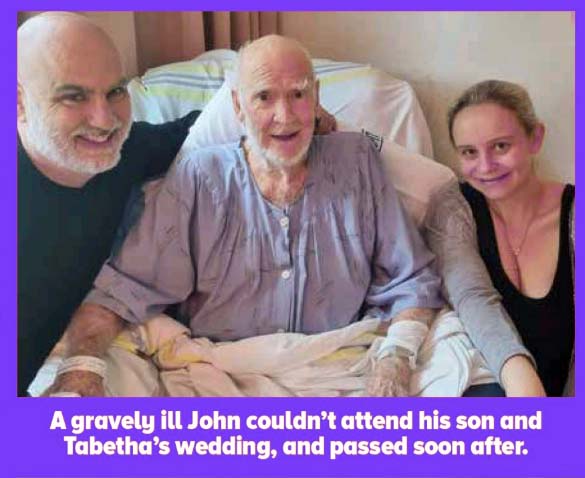
“It enabled us to laugh and smile at the end of a big service full of emotion,” explains Troy, whose 83-year-old father, former MP John Elliott, was gravely ill and unable to attend the service. Sadly, John passed away 10 days after the wedding, but the couple plan to name their new son Jonathan in honour of his memory.

Both John and Tracey were mentioned during the emotional speeches – MC’d by Auckland councillor Desley Simpson, before Tabetha and Troy enjoyed their first dance to Clinton Kane’s I Guess I’m In Love.

“We chose it simply based on the lyrics, which really match our feelings for each other,” tells Troy. “The words say, ‘You’re everything that I want, but I didn’t think I’d find… Someone who is worth the wait of all the years of my heartbreak. With you, I see hope again.’”

When we chat to the happy lovebirds, they are fresh from their honeymoon/babymoon in Fiji. Asked if they talked politics at all on their holiday, they don’t hesitate in replying wryly, “Ah, we didn’t talk about anything else!”

Troy adds, “To us, work is 24-7. We enjoy bouncing around policy ideas together and planning them out in preparation for the busy months ahead with the campaign period starting. My political career has been one of the lowest paying roles I’ve had since I was 20 years old, but the most rewarding – I feel like I’m achieving something.”

Although his late father never doubted his son would end up in politics, for Troy, the realisation slowly crept up on him when he began battling to make cancer treatment more accessible.

When his first wife Tracey was diagnosed with stage 4 breast cancer in 2014, she was told she only had two weeks to live. But in fact, “the true warrior” lived for another six years, thanks to the couple selling their house so Tracey could afford cancer drug Kadcyla, which cost almost $9000 every three weeks.

“We were forced to do that because, like so many New Zealanders, we weren’t able to pay for these drugs that were phenomenally out of everybody’s reach,” says Troy. “But, of course, we would have done anything as Tracey battled so strongly to live. We agreed to start on Kadcyla, which was already fully funded in the UK and Australia.”

Troy says the drug halved Tracey’s cancer count and significantly reduced the size of her tumour.

“Together we fought and advocated for two different drugs over time – Kadcyla for HER-2 positive metastatic breast cancer and Alecensa for positive advanced non-small cell lung cancer, which both were made publicly available, thankfully, and extended Tracey’s life.

Travel Tips & Tricks ideas

“She was unusual in that she never thought she was actually going to die,” says Troy. “Even when the rest of us knew the end was near, she was planning how she was going to come home from being in care at a retirement village.”

Tracey died on 31 October 2020 – the last day of Breast Cancer Awareness month. Troy was out collecting for the Breast Cancer Foundation when he got a call to say she had passed.

“Life as I knew it stopped,” he says. “I had been through six and a half years of caring and fighting for Tracey, but I knew I would continue with cancer advocacy until the day I take my last breath.”
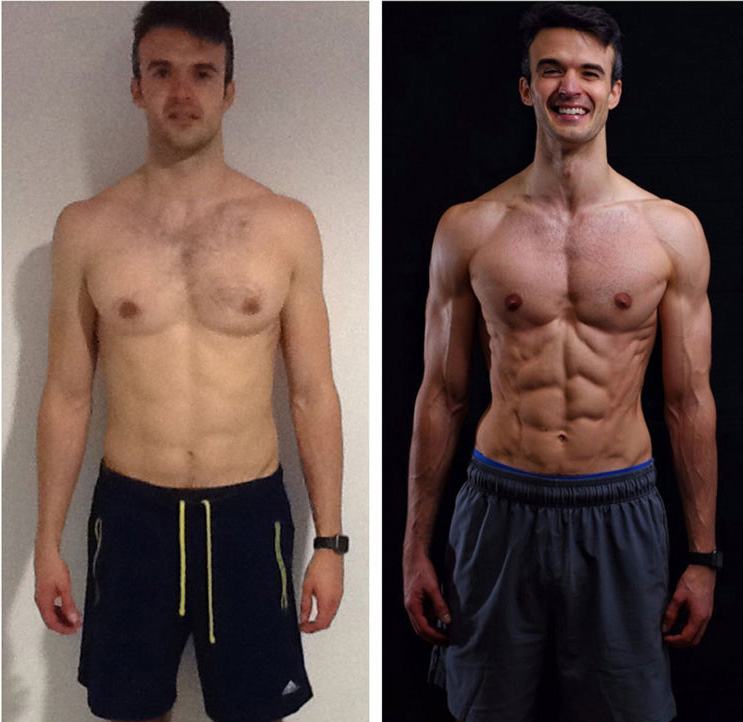
‘Extreme Weight Loss’ shocker: Contestant kicked off show for bad behavior

Health Blog URL: http://blog.edtreatmentindia.com/

Don’t give Chris Powell any excuses and you won’t find yourself in the crosshairs of this talented trainer. The fans of “Extreme Weight Loss” on Tuesday night might find themselves feeling a bit uncomfortable as there isn’t a happy ending for one participant. According to WOTV on Tuesday, for the first time ever someone gets kicked off the show and it’s not going to be the best for one person who hoped to actually transform their life.

The first participant is Kenny a 410-pound man who was a former Marine. Kenny is a 35-year-old married father of three from Oklahoma City, Oklahoma. According to the show, Kenny’s depression and weight issues became a real concern for him and his family. After severe tornadoes ripped through his hometown of Moore, Oklahoma Kenny realized how short life really is for everyone. Vowing to turn his life around once and for all, Kenny wrote a letter to trainer and transformation specialist Chris Powell asking for help.

The other contestant is Christy who is 380 pounds and looking to get fit. The 36 year-old participant has been overweight her entire life. Growing up in Las Vegas, Christy has been a victim of bullying in school and also lacked support of her family to lose weight and get healthy.. Now, a caretaker to her ailing mother, Christy doesn’t have a job or a boyfriend, and rarely leaves her house at all. Hoping to re-take control of her life, she wrote a letter to Chris asking for help.

The fans of “Extreme Weight Loss” have been wondering what could be such bad behavior on a reality show that a participant could be kicked off. While there are so many possibilities, viewers hope the scenario isn’t too embarrassing as people are looking to undergo transformations and sometimes the shock of a new environment is tough. Of course, everyone hopes for the best, but the ABC show has already warned everyone that a scandal on the show is going down (and viewers get to see it all play out too.)

Alcohol use Increases Risk of, and Worsens, Osteoporosis

Drinking is a health risk for many reasons, such as what it does to the heart and many other organs. What several studies have revealed in the past decade and a half is how alcohol deteriorates bone and cartilage.

Drinking Alcohol Harming Your Bones

Check this Article:Cosmetic Penile Surgery in India

Soft tissue, like spinal discs, are largely comprised of fluid. Alcohol dehydrates the body. As I personally experienced, the dehydrated discs lose elasticity. The spine is a series of joints cushioned by the discs, and when the discs get deteriorate, the lining of these joints gets worn and aggravated. It’s not a pleasant feeling.

Bones deteriorate, too. Alcohol use, especially during adolescence and young adult years ups the risk of osteoporosis later in life. Two or three ounces of alcohol every day is all it takes for the small intestine to not absorb calcium adequately. Alcohol also messes with the kidneys, pancreas and liver and their regulation of calcium and vitamin D. Vitamin D, which in turn is important for calcium absorption. When alcohol lowers blood calcium, a parathyroid hormone is released by four rice-sized glands at the rear of the thyroid. The hormone leaches calcium from the bone.

Two other hormones important to bone health also are under seige from alcohol. For women, alcohol decreases estrogen. As estrogen drops, it leads to bone loss. In the menopausal years, this adds to the bone loss that’s naturally occurring. The stress hormone cortisol – a key topic in the alcoholism relapse book Every Silver Lining Has a Cloud – is found at a higher baseline in those of us with the disease of alcoholism, and remains high even after quitting. High levels of cortisol decrease bone formation and increase bone breakdown.

Also, excess alcohol kills osteoblasts and osteoclasts, that’s doctor-speak for cells that make bones. No osteo-cells, no new bone growth or remodeling.

Osteoporosis Risk Factors of Bones

Let’s compound that with lousy balance when drinking. A drinker is more likely to fall, and the bones depleted by drinking are more apt to break. There’s good news here though: Some studies have found that lost bone can be partially restored within 60 days of quitting. Another reason sobriety is better to have than to lack.

Source:http://m.edtreatmentindia.com/

Diabetes can affect a person’s sexual life

People might be surprised to know that there is a link between sexual issues and diabetes. Since it is a sensitive subject, many men and women with diabetes fail to discuss how their medical condition might affect their sexual life. If they would discuss their concern with their doctor, perhaps there could be a care plan for them to follow. Quality Health reports that physicians may prescribe medications to treat sexual problems related to diabetes.

Diabetes and Sex Issues for Men, Issues for Women

Source: HEALTH AND WELLNESS BLOG INDIA

In some cases, sexual performance can be affected by diabetes. Diabetes can cause the loss of sexual desire and performance in both men and women. Up to 50 percent of men and 25 percent of women may experience some kind of sexual problems or a loss of sexual desire if they have diabetes, according to a report.

Almost one in three men with diabetes suffer from erectile dysfunction. Diabetes can cause damage to the nervous system over a sustained period of time. This situation is known as diabetic neuropathy when diabetes damages the erectile tissue leaving it impossible for a man to achieve or maintain an erection. In fact, erectile dysfunction is the way men might discover that they have diabetes. Some evidence indicates that women with diabetes might become unable to respond sexually when the clitoris fails to respond to stimulation.

Knowing that sexual problems may be linked to diabetes should be enough to get diabetics to discuss this concern with their primary care physician or their diabetic doctor. While diabetes is a disease, it doesn’t have to keep diabetics from enjoying a healthy sex life.

Diabetes Affect a Person’s Sexual Life

Health Blog URL: http://blog.edtreatmentindia.com/

Erectile dysfunction can be caused by alcohol use

Sexual performance is a touchy issue — excuse the bad pun — and it could be even touchier when hooked up with how much men drink.

Sexual performance is a touchy issue — excuse the bad pun — and it could be even touchier when hooked up with how much men drink. Guys who want to avoid taking erectile dysfunction drugs, such as Cialis or the blue pill might want to back off the alcohol. Drinking alcohol can cause lasting damage to men’s sexual performance even after abstaining from the booze, a 2017 study suggests.

alcohol-erectile-dysfunction

Researchers said men can suffer “the droop” for more than a year after giving up heavy drinking. Academics from Santo Tomas University in Columbia and the University of Granada in Spain said their results show that, overall, all dimensions (pleasure, arousal, desire and orgasm) were moderately impaired. Pleasure and orgasm being the two most significantly impaired. After even two weeks of abstinence, there was no improvement.

The Journal of Sexual Medicine study noted: It does not seem to be just a temporary problem because erectile ability was still affected after a year, and according to the results, did not seem likely to improve by just reducing drinking rather than quitting all together. This 2013 study reverses long-standing myth that alcohol does not cause performance problems. In fact, studies show that men with the disease of alcoholism have a 60 to 70 percent chance of suffering from sexual problems. Alcohol users were found to have lower pleasure scores, which only backs up years of speculation about alcohol and how it changes male performance and overall reproductive health.

can-alcohol-lead-to-erectile-dysfunction

So the booze may make it easier to get a few digits at the club, but the depressant can kill the fun later that night… and possibly later in life if the drinking continues.

The researchers also found that heavy drinkers tended to enjoy sex less, and less often, than those who don’t drink anymore. Might have something to do with how alcohol impacts other areas of relationships, too.

Source: ED Treatment India

Fast Beach Diet accelerates weight loss with six-week diet bootcamp

What’s your vision of summer? Leisurely strolls on the beach? Heading to the pool? If the wonders of warm weather are getting a dose of cold water because last year’s bikini doesn’t fit, there’s a new version of the intermittent fasting plan that can help. It promises to give you the results you desire in just six weeks: “The Fast Beach Diet: The Super-Fast Plan to Lose Weight and Get In Shape in Just Six Weeks.”

Author Mimi Spencer co-authored the famous “The FastDiet: Lose Weight, Stay Healthy, and Live Longer with the Simple Secret of Intermittent Fasting,” which teaches you how to feast five days a week and go on a restricted-calories plan two days to lose weight. In an exclusive interview, she explained how the Fast Beach Diet differs.

1. How does this plan differ from the original Fast Diet?

‘The Fast Beach Diet was written in response to people who asked for a souped-up version of the original 5:2 plan. It’s designed as a kick-start program, which is tougher, wider-ranging and lasts for just six weeks. It includes the introduction of exercise, together with lots of fresh ways to change our habits around food, so that the choices we make on a daily basis can be as healthy and sustainable as possible. Basically, it is an extension of the original plan – but the key factor is that it is only intended to last for six weeks. It’s like a boot camp for fasters!”

2. What tips can you offer for restricted calorie days?

“Five-hundred calories (or six-hundred for a man) is, admittedly, not a great deal, so it matters that you choose your food wisely on a Fast Day. The 5:2 rule is ‘Mostly Plants and Protein’. Fill your plate with vegetables and salad, and cut back hard on fast-release carbs (these are the white ones – white bread, potatoes, white rice etc). Eat some protein, but make it lean (shellfish, skinless chicken, vegetable protein in the form of beans or tofu…) You need to opt for things that are satiating, so look for bulk and fiber from veggies – and dishes that are full of flavor (lemon, chili, herbs, spices – these all become paramount on a Fast Day).”

It’s important to understand that, while you may experience hunger pangs on a Fast Day, they are nothing to fear; they tend to be transient and increasingly manageable. The trick is to keep busy, distract yourself, and stay hydrated. Fasting gets easier in time – and remember, you do have some calories going in. This is not a total fast, just a brief break from food.

3. How much weight can someone lose in four weeks on the FastBeach Diet?

“The program is for six weeks, and a 2lb a week loss would be feasible. Some weeks you may lose more (particularly at the start); others may be slower going. Look at the trajectory not the daily number.”

4. What are the benefits in addition to weight loss?

“The benefits of intermittent fasting go beyond any expected weight or fat loss. It can help cut the risk of a number of age-related diseases, and encourage the body’s repair mechanisms. There can be improvements in cardiovascular health, blood pressure and cholesterol levels, and fasting also gives your pancreas a rest, boosting the effectiveness of the insulin it produces in response to elevated blood glucose.

Check this Article: Penile Implant Surgery in India Cost

“As my co-author Dr Michael Mosley points out in the original book, fasting will tweak your body into fat burning and increase its insulin sensitivity; this is turn will reduce your risk of obesity, diabetes, heart disease and cognitive decline. There’s even evidence that it increases levels of neurotrophic factor in the brain, which should make you more cheerful.

“Beyond these anticipated benefits, there is a more subtle, psychological edge: The Fast Diet helps modify our behavior around food, making us more mindful and aware; it offers a practical way to understand our appetite, and give a bit more attention to what’s on the fork. For anyone who tends to eat on autopilot (hey, who doesn’t?), that new awareness can be hugely beneficial.

5. What’s a sample day like on a restricted calorie day? (There’s also a cookbook: “The FastDiet Cookbook: 150 Delicious, Calorie-Controlled Meals to Make Your Fasting Days Easy.”)

“Most fasters opt for a 5:2 protocol, fasting perhaps on a Monday and a Thursday each week. Some will have breakfast (protein is important here, so an egg would be great) at, say, 7am – then a ‘Fasting Window’ of around 12 hours until supper at 7pm. They divide their calories between those two meals, looking for bulk and satiety from plants, plus some protein. Other 5:2 followers choose to save all their calories for an evening meal, which effectively means they are fasting for a longer period of time. Both approaches can be successful – it’s up to the individual to experiment and discover what works for them.”

Source: http://m.edtreatmentindia.com/

Tips for good sex after the menopause

A few generations ago, many women just got old when menopause struck. Currently, many women live for a number of the decades after the menopause, during which they can enjoy good health—and a satisfying sex life. Some problems can occur after the menopause that can impact sex relationships. Tara Allmen, MD is a board certified obstetrician gynecologist and a nationally certified menopause practitioner from The Center of Menopause, Hormonal Disorders and Women’s Health. I consulted with her on the topic

Dr. Allmen notes that menopause is inevitable—barring an untimely death, every woman will experience menopause. With menopause and post-menopause come natural health challenges or questions that are totally normal and need to be addressed. Talking about these topics is never easy with your friends or partner—or even with your doctor. However, it is important to become educated so you understand your symptoms and how to best manage them. It is also important for postmenopausal women to understand they are not alone.

Happy mature couple on bed

See Also: Erectile Dysfunction ED Treatment in India

A common problem impacting menopausal women is vaginal dryness, which is due to a drop in estrogen. The condition can make sexual relations painful and even impossible. For these women, Dr. Allmen recommends the Estring, which is a ring that is inserted into the vagina and releases a small amount of estradiol for three months before it needs to be replaced. When in place, neither the woman nor her partner is aware of its presence. Hormone replacement therapy (HRT) can restore vaginal health; however, some women have health conditions that preclude their use or are reluctant to take HRT because of it has been reported to increase the risk of breast cancer or other illnesses.

Dr. Allmen concurred with me that many gynecologists have busy practices that preclude conversations about an intimate topics. Both she and I agree that a woman should not be afraid to speak up and request time to discuss the situation. Before discussing the situation with a healthcare professional, a woman should educate herself regarding issues of the menopause. She recommends two websites: estring.com for information regarding the Estring ring and http://www.edtreatmentindia.com, which is the website of the North American Menopause Society (NAMS). Another good source of information for women is http://www.acog.org, the website of the American Congress of Obstetricians and Gynecologists (ACOG).

Design a site like this with WordPress.com
Get started