Lung Disease Researchers Speak Up For Ban Or Limits On Electronic Cigarettes

After the FDA proposed new rules for marketing electronic cigarettes (e-cigs) in April, 2014, the 70,000 member Forum of International Respiratory Societies (FIRS) issued a statement on July 9, 2014 that governments around the world should ban or restrict the use of e-cigs.

Don’t Panic About E-Cigarettes

Check this Article:Cosmetic Penile Surgery in India

The recommendation is that more studies be conducted to determine if e-cigs are safe and whether they are effective in reducing the smoking of cigarettes. It is generally agreed that e-cigs are less toxic to users and the general public than conventional cigarettes. What has been lacking are data on the safety of e-cigarettes with regard to the vapors impact on lung health for users and the general public.

There is now evidence that the by-products of vaporization contain carcinogens. The concentrated nicotine is a cardiovascular dilator that causes higher blood pressure that damages the heart, kidneys and liver.

This recommendation is based upon the absolute certainty that nicotine is highly addicting. E-cigs are the most effective way to get nicotine into the blood stream short of cooking cigarettes in alcohol and shooting the extracted nicotine directly into a vein.

The press release by FIRS mentions that the tobacco industry lied to the public regarding the safety of cigarettes and targeted minors and women in an attempt to increase the number of smokers. The tobacco industry also filtered the cigarettes to allow an increase in the amount of nicotine. Menthol and other “flavoring agents” were added to cloak the tar and nicotine in the cigarettes.

E-cigs call the liquid nicotine extract “juice”. It is nearly pure nicotine, with the only other major ingredients a hydrocarbon that can be vaporized under temperature and so-called flavoring agents. The higher the vaporization temperature, the more toxic the vapors are to the lungs. Newer e-cigs that have been developed to operate at higher voltages increase the quantity of extremely small particles in the vapor.

Maciej Goniewicz of the Roswell Park Cancer Institute in Buffalo, NY has released research results that show that the vapor generated by e-cigs approach the levels of formaldehyde found in conventional cigarettes with e-cigs that generate higher heat. The details of the study were released on May 15, 2014 in the journal Nicotine & Tobacco Research.

“Introduction: Glycerin (VG) and propylene glycol (PG) are the most common nicotine solvents used in e-cigarettes (ECs). It has been shown that at high temperatures both VG and PG undergo decomposition to low molecular carbonyl compounds, including the carcinogens: formaldehyde and acetaldehyde. The aim of the study was to evaluate how various product characteristics, including nicotine solvent and battery output voltage, affect the levels of carbonyls in EC vapor.

E-cig liquids are flavored to appeal to young users with flavors such as cotton candy aimed directly at middle school and high school e-cig users. The e-cig manufacturers provide a website to find the “best” e-cig juices. One site listed popular flavors as The Godfather, Juicy Fruit, Tobaccolicious, Creamsicle, and Tobacco Menthol. Of these flavors, only the Tobacco Menthol is directed at adults instead of minors.

There are currently no age restrictions on e-cig purchases, and the largest growth is among minors. The Center for Disease Control and Prevention (CDC) estimates that 20% of high school students have now tried e-cigs. The estimated growth of e-cigs use among minors was estimated at 50% between 2011 and 2012.

E-cigarette experimentation and recent use doubled among U.S. middle and high school students during 2011–2012, resulting in an estimated 1.78 million students having ever used e-cigarettes as of 2012. Moreover, in 2012, an estimated 160,000 students who reported using e-cigarettes had never used conventional cigarettes.

The details of the FINS recommendations show an extremely cautious approach. This will be of temporary comfort to the e-cig manufacturers and users. The public is highly supportive of restricting sales of e-cigs to minors and restrictions of advertising of e-cigs on social media. This is a step in the right direction for improving public health.

Outbreak of Lung Injury Associated With The Use of E-Cigarette or Vaping

The greatest hope to curtail e-cig use comes from the FDA declaring e-cigs to be just another tobacco product, which will then make e-cigs subject to federal, state and local excise taxes. Those already addicted to nicotine will still be able to choose between traditional cigarettes and e-cigarettes. This decision is a bad health choice that leads to serious diseases. At least, these changes will help slow down the growth of electronic cigarette use among children.


Source:http://m.edtreatmentindia.com/

Top 10 Steps to Healthy Eating

This article is inspired by an article by Joan Borysenko PhD. The article is titled Five Steps to eating for Better Health. The title of this article is 10 steps to healthy eating. These are practical things you can do to eat healthier and reduce your risk of serious illnesses.

Benefits Of Cooking At Home

Source: HEALTH AND WELLNESS BLOG INDIA

  1. Cook your own food. If you think you are too busy to cook, you are not committed to your own health. Every meal doesn’t have to be prepared by your own hands, but the money you save will allow you to pick good ingredients.
  2. Use healthy ingredients. The FDA has allowed GMO seeds to be used for grains, root vegetables, cucumbers, sweet corn, etc. Avoid GMO foods where possible, and especially where the foods you are eating are directly from the ground, e.g. potatoes, celery, carrots, etc.
  3. If you are eating a processed food, read the labels. The food industry has spent hundreds of millions of dollars fighting GMO labeling and paying off Congress to prevent labeling on processed foods.
  4. Avoid high risk foods. Pay attention to the fat content, especially trans-fats, and the sugar content. High fructose corn syrup helps create cholesterol and contributes to insulin resistance. Heart disease and diabetes are directly linked to saturated fats and sugar. Avoid them. Hydrogenated oils are used in snacks and they will literally kill you.
  5. Eat a balanced diet of protein, carbohydrates and fats. Your body needs each of these. The FDA guidelines for carbohydrates and dairy are historically biased by lobbying from the food and dairy industries. Your body needs healthy fats and proteins. Trim off animal fats as much as possible. Avoid high fructose corn syrup and artificial sweeteners of all kinds.
  6. Pay attention to how your body is reacting to what you are eating. If you are sensitive to gluten, reduce or take out wheat and other gluten products from your diet. If dairy or orange juice cause you excess phlegm, stop consuming them. If you are a woman beyond menopause, you should limit soy products or get tested to see if you are genetically susceptible to hormone induced breast cancer.
  7. Eat meats that are grown humanely. Animals grown in confined spaces must be fed with antibiotics to keep down diseases. Animals that are fed animal by-products transmit diseases from the animals that they ate. (This is an item from Dr. Borysenko’s list.) Animals that are fed growth hormones and antibiotics are supplying you with potentially disrupting chemicals that can impair your immune system over time.
  8. Eat minimally processed foods. There are raw milk cheeses, locally grown vegetables and meats, and whole grains that have not had the nutrition stripped in the processing. Frozen foods are often more nutritious and safer than fresh foods that have been stored. Frozen seafood and frozen vegetables are often better. This is especially true if you are a long way from the source, e.g. eating seafood from a supermarket in Ohio.
  9. If the food doesn’t look, smell or taste good, don’t eat it. Each step of this process is important. If you take the first bite and it tastes bad, spit it out. If you are so oblivious that you didn’t notice the mold, or decided it was “probably OK”, you will rue your decision. There is NO five second rule when it comes to bacteria.
  10. If you don’t buy it, you can’t eat it. Salty snacks, ice cream, candy and other junk foods can be eaten in moderation. If they are in the closet, they are available for consumption. The food industry spends millions in advertising and processing to make their unhealthy products highly attractive. Don’t buy Sugar Frosted Flakes for yourself or children. Don’t be tricked in thinking that trail mix is a health food.

You can read the full text of the article Five Steps to eating for Better Health. If you are interested in these ideas, You can also see  to the Healthy Living area for information on GMO foods, article sweeteners and other health related topics.

Avoid High-Risk Foods

Commit to eating wisely as if your life depends upon it. It does. The increase in food allergies, autism, cancers, heart disease and diabetes are all tied to what you are eating, drinking and breathing. Pay attention and take responsibility for your health. Follow the 10 steps for healthy eating.

Health Blog URL: http://blog.edtreatmentindia.com/

Top 10 Therapies For Rheumatoid Arthritis

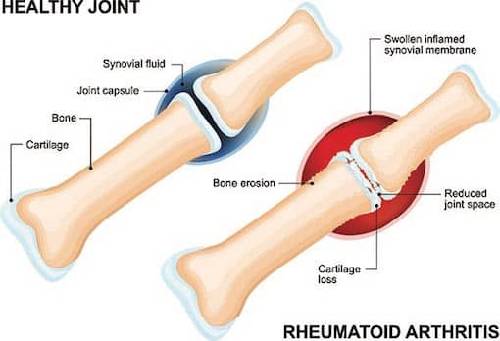
A chronic inflammatory disorder, Rheumatoid Arthritis affects the smaller joints in one’s hands and feet. It is an autoimmune disorder, which means it occurs when the immune system accidentally targets its own body’s tissues. It causes the lining of joints to have painful swelling, and leads to joint deformity and bone erosion. It is much more common in women than in men, and is known to usually begin after the age of 40. There are many therapies available for those suffering from Rheumatoid Arthritis. Doctors recommend keeping one’s joints healthy, strong and flexible to keep the symptoms down.

Fight Chronic RA Pain; Treatments and Medication

Check this Article: Penile Implant Surgery in India

Through therapy, many have been able to feel better. Some therapies, such as occupational therapy, require that one visit a professional. However, many of the therapies suggested today are ones that can be done from home, alone! The goal of each therapy is to lessen the pain, and hopefully improve the swelling. It is also important to work on being less stressed, and therapies are a great way to relax.

Top 10 Therapies for Rheumatoid Arthritis:

1. Green Tea is a soothing beverage. With the active ingredients of green tea, which are polyphenols, there have been signs that green tea can treat RA effectively. While there are many studies underway currently, these ingredients might affect the immune system by decreasing substances that deform the joints of those suffering from Rheumatoid Arthritis.

2. Exercise is perhaps one of the most important therapies suggested. It is imperative that patients with Rheumatoid Arthritis keep their joints flexible and strong. With the amount of swelling in their joints, it is important to exercise and keep the stress off. There are many possibilities for those with arthritis, from walking to biking, yoga to Tai Chi. A good exercise is done daily, with a variety of positions and weight-bearing exercises to keep the bones strong. Professionals suggest that those suffering from RA are more likely to develop osteoporosis, as well as depression. Exercise is excellent, as it keeps depression and osteoporosis away!

3. Occupational Therapy aims to target trouble areas in daily living, and work out eliminating the issue or working around it in some other way. Therapists from this line of therapy are helpful in ensuring that those suffering from RA are much less stressful over the situation. They help their patient in identifying where their struggles are, from added stress on their joints to things that might trigger depression, and modifying the situation to avoid it.

4. Physical Therapy is a type of therapy in which professionals utilize a variety of sensations on their patient. Through the use of ice, electrical stimulation, range-of-motion exercises, gentle strengthening moves and heat to ease the inflammation and swelling, as well as increase the shape of one’s joints. There are many professionals who vouch for the benefit of physical therapy.

5. Hot-Cold Treatments are meant for use at home. One can easily relax their body through the use of a hot bath or shower. Hot water is known to relax, as well as soothe particularly painful joints and muscles. It is also known to have an effect on the mind, calming and relaxing one mentally. It is also appropriate to apply heating pads or ice packs, however don’t overdo it! The cold will reduce joint swelling, as well as inflammation. The heat will relax the muscles, and stimulate blood flow.

6. Mind-Body Therapy concerns focusing the mind and body. This is accomplished through meditation, breathing exercises, guided relaxation and biofeedback. The goal of mind-body therapy is to help the patient focus their mind, find methods that help the patient cope with the pain and improve their strength and flexibility. Under this category also falls Tai Chi, as it is considered a slow moving exercise that requires the use of one’s mind. There have been studies that support mind-body therapies, as they have resulted in an improvement of mood, as well as quality of life.

7. Fish Oil is known to ease one’s pain and inflammation, so it may be a perfect “therapy” for it. The side effects of fish oil is known to be effective for relieving pain, just as much as ibuprofen takes down inflammation. However, it is more natural, and thus many find it better to take than drugs and pills.

8. Counseling concerns the mind of patients with Rheumatoid Arthritis. Chronic illnesses often leave people feeling depressed, anxious and unhappy. Through cognitive behavioral therapy, one can have a professional assist them in identifying the problems in the way they think or act. They will have the encouragement to change their behavior to better cope with the stress, as well as pains and strains of RA.

9. Complementary Therapies Read more here at https://www.healthyatra.com/

10. Massage is one of the best therapies, at certain times. If the joints and muscles aren’t too tender, one can benefit greatly from this, as it is meant to ease muscle tension in the joints, as well as relax one’s body.

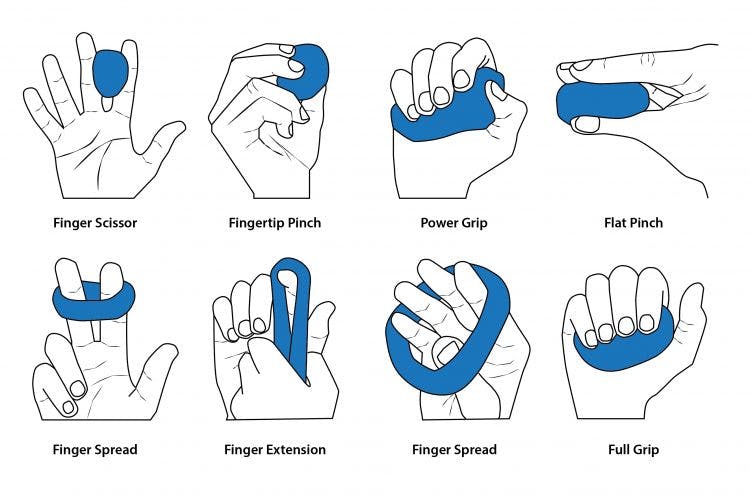
Effective Hand Therapy Putty Exercises

Source:http://www.edtreatmentindia.com/

5 Foods That Flare Rheumatoid Arthritis

Arthritis sufferers know the many triggers that bring on flares. A flare is when your symptoms increase dramatically over a period of three to five days, resulting in increased joint pain, swelling, and fatigue. While most sufferers know what triggers their flares, there are hidden triggers they may not be aware of, and in an unlikely spot for them to look – their diet. Many foods can cause arthritis flares, and many of them are common in the American diet. Let’s take a look at five foods commonly eaten in a typical American diet plan:

Eating These Foods That Can Make Arthritis Worse

Source: HEALTH AND WELLNESS BLOG INDIA

Fried Foods and Processed Meats

Fried foods and processed meats have been linked with the production of C-reactive proteins. This is the marker doctors use to determine inflammation levels in the body. High levels of inflammation trigger arthritic symptoms, by producing a cytokines response. Cytokines are the body’s first defense against an inflammatory attack, and they will increase your RA symptoms. Reducing the amount of fried foods and processed meats, such as hot dogs or frozen meals, will help reduce the number of cytokines your body manufactures to meet an inflammatory attack. Foods you fry at home are not as bad for you as fried foods you purchase from a restaurant. This is due to the oils. When you fry at home, you pour out fresh, unheated oil to use in the frying process, whereas a restaurant reuses its frying oil all day. Heating denatures oil, resulting in an unhealthy frying medium. One-time use is ok; multiple uses are not.

Refined Carbohydrates

Refined carbohydrates, such as those found in white bread, are high on the glycemic index. High-glycemic index foods result in an increase in advanced glycation end products (AGEs) in the body. This is turn results in more cytokines being produced, and as discussed above, results in more inflammation in the body. Any food high on the glycemic index scale, if consumed without proteins or fats to lower the glycemic effect, will increase your blood sugar and AGE levels. Refined carbohydrates are particularly bad, because the base carbohydrate has had all of the fiber processed out. Fiber is good for arthritic patients, so go with a whole-grain approach.

Sugar

Sugar is also high on the glycemic index scale. Consumption of sugars results in the formation of AGEs, resulting in the production of cytokines. It’s also a roller-coaster ride for your blood sugar levels, resulting in pre-diabetes or type II diabetes. If you crave something sweet, eat it with a protein, to reduce its effects on your blood sugar levels, and be aware it may cause a flare of your arthritic condition. Making your own sweets is a good alternative to giving them up; it’s easy to bake an apple or pear with a cinnamon-sugar topping, and these dishes will satisfy your sweet tooth without blowing your blood sugar levels or increasing your AGE level.

Dairy

Dairy products contain the protein casein, which has been shown to irritate joint tissue in some people. This irritation may lead to an arthritic flare. You can purchase dairy products approved for use in kosher homes – look for the ‘Parve’ indicator on the container. These products are casein-free, and are acceptable dairy substitutes.

Salt and Preservatives

Excessive salt in your diet may contribute to arthritic joint flares. Notice the term ‘excessive’ here – salt is essential for your body’s metabolic processes, and reducing the level of your salt intake to a low level may compromise your health. Salt is used as a preservative, to increase the shelf life of processed foods. Buying your foods in the fresh state and cooking them yourself, with a moderate amount of salt, will keep your sodium levels at a normal level and reduce your RA flares.

There is an age-old adage: you are what you eat. Its age doesn’t affect its truth – what you put into your body for fuel makes a difference in how your body performs. You wouldn’t put cheap gas in your car and expect to win the Indy 500 race, would you? It’s the same with the food you put in your body. When you have a chronic condition such as rheumatoid arthritis, you need to pay special attention to your diet. Foods that are not a problem for a healthy individual may cause significant flares in you. Follow an anti-inflammatory diet to help keep your arthritis under control.

Anti Inflammatory Diet

Health Blog URL: http://blog.edtreatmentindia.com/

5 Healthy Habits That Fight the Signs of Rheumatoid Arthritis

What is rheumatoid arthritis?

Rheumatoid arthritis (RA) is an autoimmune disease that primary affects the synovial joints. These are the joints that are considered flexible joints. It is a painful disease and can be a very debilitating condition if not treated properly and sometimes even when it is treated properly.

5 Healthy Habits That Fight the Signs of Rheumatoid Arthritis

Source: HEALTH AND WELLNESS BLOG INDIA

What are some of the things that I can do to the fight the signs of RA?

Because RA is an autoimmune disease, meaning that the body attacks itself, fighting RA symptoms can be very difficult. However, studies have been done to highlight healthy habits that can help ward off some of the symptoms associated with RA. These habits maintained over a long period of time will help them to become part of your lifestyle which is the ultimate goal when it comes to living with RA.

Listed below are 5 healthy habits you can do to fight the signs of RA:

  1. Have a positive outlook on life and your disease- RA is not who you are, it is something that you have. Maintaining the proper philosophy and attitude related to the disease is important for the treatment of RA. If you don’t believe that it can get better, your body tends to respond to that and will continue to feel the effects of the pain on a more regular basis than if you believed. Having a good attitude will also help you to further seek the proper treatment because you actually believe the symptoms can be relieved and will do what it takes to find out how.Maintain the proper diet- Notice that it doesn’t say to maintain a healthy diet.
  2. The proper diet for RA is somewhat different from what a person that is trying to eat healthy may be. The proper diet for RA would include a diet rich in fish, vegetables, and healthy oils, which is also what the Mediterranean diet emphasizes. What you eat is always important when it comes to managing most disease processes and it’s no different here.
  3. Get movingExercise is something that we were all put here to do and it’s not just for the “health” of it. Well maybe it is. Exercising not only can take your mind off of the pain for a while but strength training and conditioning show positive effects in the person with RA. Exercising and training smart is beneficial to your health in many different ways so consult with a trainer and with your physician to find out which exercises can help optimize your dealing with RA.
  4. Find a support group– Support groups not only function to help you when you’re not feeling well and when you are, they also pose as a resource to help some of the ailments you may be experiencing. People with RA are actually living with the disease and can be a great help to assisting with different types of therapies that may not have been mentioned to you by a physician.
  5. Don’t smokeSmoking is harmful for joints in many different ways and it actually can exacerbate the disease process which will lead to further pain and decrease the amount of time that it takes for RA to have an effect on your body. Because RA is an autoimmune disease, it requires the body to respond positively even when it wants to respond negatively so smoking takes away some of the body’s ability to do so.

While all of these are helpful hints and habits, it is going to be important to maintain them over an extended period of time to see their results. Not all things work for all people but you have to start somewhere to find out what works best for you. Doing nothing about the disease will not make it disappear and may even make it worse, so it is important to seek treatment right away. Consulting with a specialist is always an important part of your health and should be done. However, doing all that you can do outside of the office plays just as an important role as well. Having a positive philosophy regarding the disease will not only help your attitude and further your actions but it can change your results and ultimately improve your lifestyle.

Rheumatoid Arthritis; Symptoms and Treatment

Health Blog URL: http://blog.edtreatmentindia.com/

Gluten free: Preference or Necessity?

“Gluten free” diets are all the rage lately. Grocery stores have added “gluten-free” aisles. Nearly every restaurant advertises its gluten-free menu. Universities have gluten-free sections of their convenience stores. Gluten-free eating has become such a widespread trend that there’s even a gluten-free Girl Scout Cookie.

For many people, gluten-free eating is a fad. For people like me with Celiac Disease, it’s a necessity.

Eat Gluten Free; Have A Family Member With Celiac Disease

Check this Article: Penile Implant Surgery in India Cost

According to the National Foundation for Celiac Awareness, only 1 in 133 Americans are diagnosed with Celiac Disease, a digestive disease that damages the small intestine and restricts the body’s ability to absorb nutrients from food. People who have the disease cannot tolerate any gluten, a protein in wheat, rye, and barley. For those of us with Celiac Disease, we must stick to the gluten-free diet or suffer the consequences, which may include abdominal pain, diarrhea, vomiting, constipation and weight fluctuation to name just a few.

The gluten-free fad presents several problems. For people without Celiac Disease, the gluten-free diet is not medically indicated. Unnecessary gluten-free dieting may lead to an unhealthy obsession with healthy eating (a condition coined as “orthorexia”) or a number of other eating disorders. A moderate amount of gluten-containing whole grains may be a normal and healthy part of typical diet. If you have “gone gluten-free” and do not have a medically-diagnosed gluten intolerance or Celiac Disease, consider the spirit behind your diet choice. Take care to approach your diet with your ultimate health and wellness in mind. Consider consulting with a registered dietitian to establish your optimal nutrition plan.

For people with Celiac Disease, the gluten-free fad creates a misperception that “gluten-free” is a preference, not a necessity. Many times, I’ve gone to a restaurant and eaten a supposedly gluten-free meal that included hidden, gluten-containing ingredients, like soy sauce. I felt terribly sick the next day. Restaurants commonly misperceive “gluten-free” as a request, and don’t take the time to check up on all of their ingredients, especially condiments and sauces. For those of us with Celiac Disease, these small slip ups have a big impact on our health.

A Gluten-Free Food List For Different Diets Topped With Blueberries And Nuts

If you’re on the gluten-free bandwagon, but don’t have Celiac Disease, consult with a registered dietitian and be sure to specify your “gluten-free” request as a dietary preference rather than a medical necessity. If you think you may have Celiac Disease, talk to your doctor.

Source:http://www.edtreatmentindia.com/

The Basics of Diabetes: Risk Factors

Risk factors for diabetes vary, depending on the type of diabetes.Type 1 diabetes is usually diagnosed in children and young adults. It was previously known as juvenile diabetes. With type 1 diabetes, the body does not produce insulin. Approximately 5 percent of people with diabetes have type 1 diabetes. With proper insulin therapy, type 1 diabetics can live long, healthy lives.

Check this Article: Penile Implant Surgery in India Cost

Risk Factors of Diabetes

The exact cause for type 1 diabetes is unknown. It is often considered to be an autoimmune disorder. An infection or some other unknown trigger causes the body to attack itself, and destroy the cells of the pancreas. Lifetime insulin therapy is necessary. There is no way to prevent type 1 diabetes. Early intervention, and lifelong healthy habits, will reduce the risk of diabetic related complications.

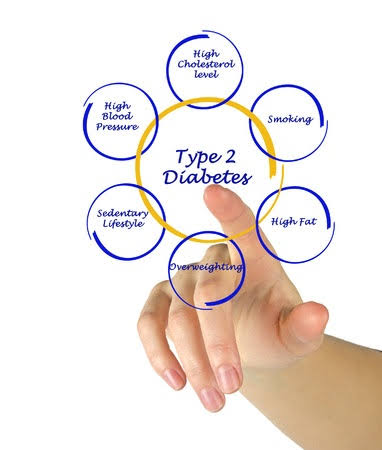
Unlike type 1 diabetes, the symptoms for type 2 diabetes can be more subtle, occurring slowly over a long period of time. A low activity level, a poor diet, and excessive body weight are all risk factors. Many people with type 2 diabetes have these known risk factors and high blood sugars, and are not aware that they have diabetes.

Symptoms for type 2 diabetes can actually include no known symptoms for years. Lack of routine medical care can contribute to people not knowing they are diabetic, all the while suffering the adverse effects of chronically elevated blood glucose levels. Others have symptoms that appear to have no direct link to elevated blood glucose levels, such as frequent infections, poorly healing wounds, and blurred vision and erectile dysfunction. More common symptoms would include the excessive hunger and thirst, fatigue and frequent urination. Blood work is necessary to confirm diabetes; it cannot be diagnosed by symptoms alone.

Gestational diabetes is diabetes that starts or is first diagnosed during a pregnancy. Glucose levels may rise in a pregnant woman due to the changes in hormone levels associated with a pregnancy. Fortunately, the blood glucose levels usually return to normal after the baby is delivered.

Risk factors for gestational diabetes include the following:

  • History of hypertension ( high blood pressure)
  • History of unexplained stillbirth or miscarriage
  • Pre-pregnancy overweight/obesity
  • Family history of diabetes
  • Previous baby weighing greater than 9 pounds at birth
Risk of Gestational Diabetes During Pregnancy

Early diagnosis and treatment are highly recommended for the health and safety of all individuals diagnosed with diabetes.

Source: http://www.edtreatmentindia.com/

Diabetes: A Global Epidemic That We CAN Fix

According to the Centers for Disease Control , a recently released report on Diabetes, states there are at least 29 million people living in the U.S. with diabetes; 28% of these patients are undiagnosed. In a study done from 2009 to 2012, 37% of adults in the U.S. were considered pre-diabetic based on fasting glucose and A1C levels. This equates to 86 million Americans who will become diabetic if something doesn’t change.

Diagnosis and Management of Diabetes

Check this Article:Cosmetic Penile Surgery in India

These estimates, according to Dr. Ann Albright, director of the CDC’s Division of Diabetes Translation, were further elaborated on in a statement, “Diabetes is costly in both human and economic terms. If we do nothing, and the numbers continue to rise, 1 in 5 people will have diabetes by the year 2025, and possibly 1 in 3 by 2050, if we elect to do nothing to stop the progression of this disease.”

Diabetes, both uncontrolled and/or undiagnosed, can lead to a complex set of diseases. Often, these diseases come with life threatening complications. Cardiovascular disease ( heart disease, and stroke) as well as kidney damage, blindness and nerve damage can be attributed to improperly cared for diabetes.

Despite these grim statistics, there is much a person can do to reduce their risk of prediabetes/diabetes. Proper nutrition, weight loss, increased activity, stress reduction, and smoking cessation are all simple ways to reduce personal risk. Medication compliance and proper monitoring of diabetes can also reduce the risk of complications. Diabetes is a chronic disease, yet controllable situation.

Strategy Needed to Diabetes Epidemic

Source:http://m.edtreatmentindia.com/

The Health Benefits Of Pigmentation

Many of us know that having some color in your skin makes you look more attractive for which reason many risk their very lives in tanning salons in a bid to look dark and attractive.

Pigmentation is however more than something to make us attractive. It has an effect on every area of our lives.

Pigmentation Treatment

Source: HEALTH AND WELLNESS BLOG INDIA

Why is that so? Because pigmentation is the natural cover and clothing we wear. In fact everything in nature is pigmented. The very dust from which man is made is pigmented.

Consequently, like everything else in nature, we humans are naturally designed to be pigmented. It protects us from the elements.

Therefore, we age less quickly the more pigmented we are. We also retain more moisture in our skin and it is more lubricated and shines naturally the more pigmented we are.

This means the more pigmented we are the more sunlight we can safely absorb which is very important. It is from the sunlight we get the biochemical light fields that keep us alive and operate our body systems. The more we are able to absorb and retain, the more resources we have to meet all of life’s activities and demands and stresses and the less stressed we are,

Hence pigmentation affects our coping abilities. This has implications for mental health and issues like depression and other behavioral issues as well as our sense of well being and so on.

Pigmentation protects our blood vessels and consequently our blood and life source from being exposed to harmful things in nature.

Sunlight is vital to our well being and the sunlight is coded to be absorbed by our bodies through the protection of the pigmentation in the skin and the eyes.

Consequently less pigmentation is hazardous. This is a good reason to get a good tan in the summer and go for that South American vacation in the winter. However if you are not naturally dark, you do not have the various built in protection against UV light rays and you need to remember to rub on some UV protection lotion before going out.

You may also want to think twice before damaging your pigmentation with skin lightners if you are well pigmented, as this will open you to the risk of cancers you are naturally not at risk for.

Pigmentation allows us to absorb sunlight in a form that helps us to easily utilize it in absorbing the nutrients in truly natural foods (unfortunately we are no longer eating natural foods as most foods have been adulterated by humans. Even the organic ones have had their seeds tampered with in the past and most of our soil at least here in the United States are already damaged).

Consequently pigmentation has an effect on physical strength which we build from the food nutrients and the ability to withstand several types of sickness and diseases.

These are a few of the myriads of known and unknown health benefits of pigmentation not only to humans but to everything in nature.

Where did I all these insights from? When I was very ill and dying from the health effects of computer use induced health condition and needed divine help to survive, I prayed for insight into the workings of the human body so I would have a level of understanding that would help me take the right decisions concerning my health.

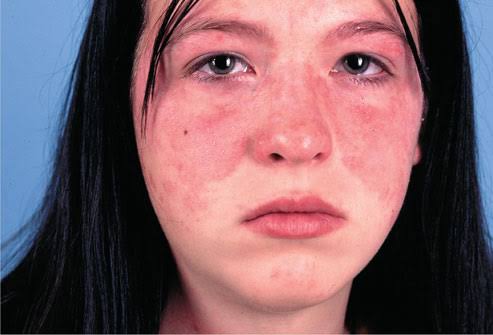
Skin Diseases on Face

Consequently as I studied the user manual for nature given to us by our maker called the Bible or Scripture, these are some of the facts that became known to me. That is how I started healing.

Health Blog URL:http://blog.edtreatmentindia.com/

Adopting a Healthy Lifestyle can Control or Reverse Heart Disease

The benefits of healthy habits are well established. These benefits include boosting mood, weight control and combating diseases. However, it is uncertain whether making health behavior changes as an adult can still alter coronary artery disease risk.

Source: HEALTH AND WELLNESS BLOG INDIA

Prevent Cardiovascular Disease

To fin d out if making health behavior changes will change the risk of coronary artery disease, Dr. Bonnie Spring, PhD, professor in preventive medicine, Director, Center for Behavior and Health – Institute for Public Health and Medicine at Northwestern University Feinberg School of Medicine and lead investigator of this study along with colleges examined healthy lifestyle behaviors and coronary artery calcification and thickening among 3,538 young adults, aged 18 to 30 years and who had participated in the Coronary Artery Risk Development in Young Adults (CARDIA) study.

Researchers evaluated five healthy lifestyle factors (not overweight/obese, low alcohol intake, healthy diet, physically active, nonsmoker) at baseline and 20 years later. The team tested whether change from year 0 to 20 in a continuous composite healthy lifestyle factors score is associated with atherosclerosis at 20 years.

After adjusting for demographics, medications, and baseline healthy lifestyle factors the results showed by 20 years 25.3% of the study participants had added at least one healthy lifestyle behavior.

Each increase in healthy lifestyle factors was associated with reduced odds of detectable coronary artery calcification and lower intima-media thickness – two major markers of cardiovascular disease that can predict future cardiovascular events.

Among participants 34.4% stayed the same.

In their conclusion the researchers write “Healthy lifestyle changes during young adulthood are associated with decreased risk and unhealthy lifestyle changes are associated with increased risk for subclinical atherosclerosis in middle age.”

According to Dr. Spring, “This finding is important because it helps to debunk two myths held by some health care professionals.” The first is that it’s nearly impossible to change patients’ behaviors. Yet, we found that 25 percent of adults made healthy lifestyle changes on their own. The second myth is that the damage has already been done – adulthood is too late for healthy lifestyle changes to reduce the risk of developing coronary artery disease. Clearly, that’s incorrect. Adulthood is not too late for healthy behavior changes to help the heart.”

The study also found that 40.4 % of participants had fewer healthy lifestyle factors and gained more bad habits as they aged. Each decrease in healthy lifestyle factor had greater odds of coronary artery calcification (odds ratio=1.17; 95% confidence interval, 1.02–1.33) and greater intima-media thickness (β=+0.020, P<0.01).

“It’s not too late,” comments Dr. Spring. “You’re not doomed if you’ve hit young adulthood and acquired some bad habits. You can still make a change and it will have a benefit for your heart.”

“If you don’t keep up a healthy lifestyle, you’ll see the evidence in terms of your risk of heart disease,” said Dr. Spring.

According to Dr. Spring the healthy changes people in the study made are attainable and sustainable. She offers some tips for those who want to embrace a healthy lifestyle at any age:

Burn Your Fat & Control Healthy Body Weight
  • Keep a healthy body-weight
  • Don’t smoke
  • Engage in at least 30 minutes of moderate to vigorous activity five times a week
  • No more than one alcoholic drink a day for women, no more than two for men
  • Eat a healthy diet, high in fiber, low in sodium with lots of fruit and vegetables
  • This study is published in the journal Circulation.

Health Blog URL: http://blog.edtreatmentindia.com/

Design a site like this with WordPress.com
Get started