Oral diabetes solutions are more compelling than insulin in shielding diabetics from the unfavorable impacts of high activity contamination, says a study. Study members in Puerto Rico who utilized insulin and lived beside streets with substantial movement had especially expanded C-reactive protein (CRP), a marker of irritation, contrasted with those living in lower activity territories.
Oral Medic Diabetes Solutions Better Protects Diabetics From Pollution
People taking oral diabetes pharmaceuticals did
not experience increments in CRP focus. “CRP focus expanded 75-200 percent
over the two-year period for those 10 percent of study members living in the
most elevated movement ranges who were utilizing insulin when contrasted with
those living in lower activity zones,” said first and relating creator
Christine Rioux, research partner educator at the Tufts University School of
Medicine in the US.
“Interestingly, CRP fixation did not increment for the
22 percent of individuals taking metformin and/or other oral diabetes
pharmaceuticals who were likewise living in the high activity
territories,” Rioux noted. Of the 356 members in the study, 91 (26
percent) utilized insulin, 197 (55 percent) utilized just oral diabetes
prescription and 68 (19 percent) reported utilizing no diabetes pharmaceutical.
CRP was measured toward the start of the study and again after two years,
utilizing a high affectability test. “It is imperative to know who is most
powerless against the unfriendly impacts of activity contamination presentation
for purposes of training and arrangement,” Rioux noted.
Individuals who live close by occupied streets and invest the greater part of their time in these zones have been demonstrated in numerous studies to have larger amounts of aggravation, a danger element for some cardiovascular and metabolic illnesses. “This study is essential in light of the fact that numerous individuals who live close to parkways may have diabetes and different genuine constant conditions,” Mkaya Mwamburi from the Tufts University School of Medicine brought up. “It is intriguing to see that medications for diabetes may interface with the dangers connected with introduction to air contamination,” Mwamburi said. The study said that it is not clear why oral diabetes meds, dissimilar to insulin, give off an impression of being defensive and it warrants extra research. The study was distributed online in the journal of Environmental Pollution.
Biomedical engineers and diabetes doctors from the University of the North Carolina (UNC) School of Medicine and North Carolina State have developed an insulin patch that is capable of detecting increases in blood sugar levels and secreting insulin doses into the bloodstream when needed. The research was announced on June 22, 2015, and was published in the Proceedings of the National Academy of Sciences.
Smart Insulin Patch to Give Diabetics Respite from Insulin Shots
The patch is a thin square
no larger than a penny. It contains more than 100 tiny needles that are
approximately the size of eyelash. The “microneedles” contain microscopic
storage units for insulin. The units contain enzymes that sense glucose levels
and rapidly release insulin when blood sugar levels become too high. The
microneedles penetrate the skin’s surface to tap into the blood flow through
the capillaries just below the skin surface. In a mouse model of type 1
diabetes, the patch lowered blood glucose for up to nine hours.
“We have designed a patch
for diabetes that works fast, is easy to use, and is made from nontoxic,
biocompatible materials,” said co-senior study author Zhen Gu, PhD, a professor
in the Joint UNC/NC State Department of Biomedical Engineering. “The whole
system can be personalized to account for a diabetic’s weight and sensitivity
to insulin so we could make the smart patch even smarter.”
While the approach does
show great promise, researchers say that more pre-clinical tests and subsequent
clinical trials are needed before the patch can be administered to human
patients. “Injecting the wrong amount of medication can lead to significant
complications like blindness and limb amputations, or even more disastrous
consequences such as diabetic comas and death,” John Buse, MD, PhD, co-author
of the study and the director of the UNC Diabetes Care Center.
Researchers gave one set
of mice a standard insulin injection and measured blood glucose levels
that returned to normal and then quickly rose into the hyperglycemic range.
They tested another set of mice with the patch and observed that blood glucose
levels were brought under control within thirty minutes and stayed level for
several hours. The researchers also found that the patch could be fine-tuned to
change blood glucose levels in a certain range by changing the dose of the
enzyme contained in each microneedle. They found the patch was not as hazardous
as insulin injections, which can cause blood glucose levels to plummet to
dangerously low levels if administered too often.
“The hard part of diabetes care is not the insulin shots, or the blood sugar checks, or the diet but the fact that you have to do them all several times a day every day for the rest of your life, said Buse, the director of the North Carolina Translational and Clinical Sciences (NC TraCS) Institute and past president of the American Diabetes Association. “If we can get these patches to work in people, it will be a game changer.”
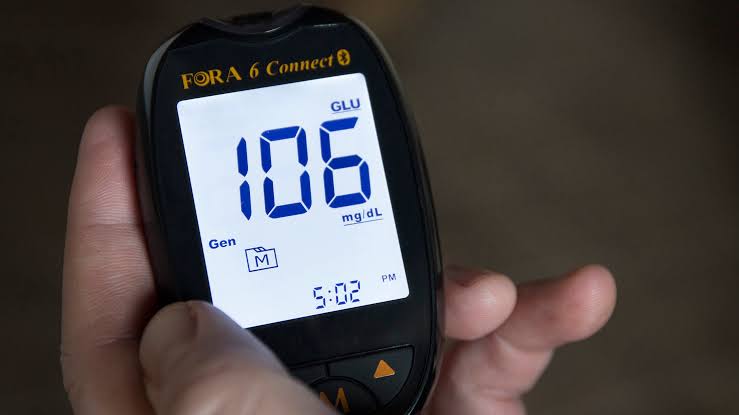
Blood Glucose Levels Meter
Researchers speculate that
the patch’s ability to stabilize blood sugar in human patients could last
longer than in mice because mice are less sensitive to insulin than humans. Gu
said that their goal is to develop a smart insulin patch that only needed to be
changed every few days.
Drinking is a health risk for many reasons, such as what it does to the heart and many other organs. What several studies have revealed in the past decade and a half is how alcohol deteriorates bone and cartilage.
Soft tissue, like spinal
discs, are largely comprised of fluid. Alcohol dehydrates the body. As I
personally experienced, the dehydrated discs lose elasticity. The spine is a
series of joints cushioned by the discs, and when the discs get deteriorate,
the lining of these joints gets worn and aggravated. It’s not a pleasant
feeling.
Bones deteriorate, too. Alcohol use, especially during
adolescence and young adult years ups the risk of osteoporosis later in life.
Two or three ounces of alcohol every day is all it takes for the small
intestine to not absorb calcium adequately. Alcohol also messes with the
kidneys, pancreas and liver and their regulation of calcium and vitamin D.
Vitamin D, which in turn is important for calcium absorption. When alcohol
lowers blood calcium, a parathyroid hormone is released by four rice-sized
glands at the rear of the thyroid. The hormone leaches calcium from the bone.
Two other hormones
important to bone health also are under seige from alcohol. For women, alcohol
decreases estrogen. As estrogen drops, it leads to bone loss. In the menopausal
years, this adds to the bone loss that’s naturally occurring. The stress
hormone cortisol – a key topic in the alcoholism relapse book Every Silver
Lining Has a Cloud – is found at a higher baseline in those of us with the
disease of alcoholism,
and remains high even after quitting. High levels of cortisol decrease bone
formation and increase bone breakdown.
Also, excess alcohol kills osteoblasts and osteoclasts, that’s doctor-speak for cells that make bones. No osteo-cells, no new bone growth or remodeling.
Osteoporosis Risk Factors of Bones
Let’s compound that with lousy balance when drinking. A drinker is more likely to fall, and the bones depleted by drinking are more apt to break. There’s good news here though: Some studies have found that lost bone can be partially restored within 60 days of quitting. Another reason sobriety is better to have than to lack.
There has been a growing awareness that good nutrition is essential for the health of the brain. Texas A&M University reported via Newswise on Feb. 4, 2015, a compound which is found in grapes and red wine may help to prevent memory loss. According to researchers at the Texas A&M Health Science Center College of Medicine a compound found in common foods such as red grapes and peanuts may actually help you prevent age associated decline in memory.
Ashok K. Shetty, Ph.D.,
who is a professor in the Department of Molecular and Cellular Medicine and
Director of Neurosciences at the Institute for Regenerative Medicine, has been
investigating the potential benefit of resveratrol for brain health.
Resveratrol is an antioxidant which is found in in red wine and in the skin of
red grapes, in peanuts and in some berries.
Researchers have already
pointed to the potential benefits for heart health of
resveratrol. Shetty and colleagues have now said they believe resveratrol also
has positive effects on the hippocampus. The hippocampus is an area of the
brain which is critical for memory, learning and mood. Resveratrol may help prevent
a decline in cognitive capacity after middle age. Resveratrol may also help
people suffering from severe neurodegenerative conditions such as Alzheimer’s
disease.
This study has been published in Scientific Reports. Researchers have studied the efficacy of resveratrol to counteract age associated memory and mood impairments and the associated detrimental changes which are seen in the hippocampus in rats. The positive benefits of resveratrol observed on the brain health of rats is felt to be applicable to people.
Red Wine Compound Keeps Brain Young, Preserves Neural Connections
The Citizens Commission on Human Rights has reported on how horribly destructive psychiatric drugs are. An awareness of how important good nutrition is to brain health may help to counter the destructive interventions of psychiatrists. Resveratrol and other components of good nutrition may actually help to protect people from memory loss and mood problems associated with aging and from the horribly destructive effects of psychiatric drugs on the human brain.
It seems like a dream true that enjoying red wine or red grape juice in moderation could help you burn fat. Nature World News reported on Feb. 6, 2015, that drinking wine in moderation or red grape juice could help you burn fat better.
Researchers have found
that consuming dark-colored grapes, whether by eating them or drinking juice or
wine, could help overweight people better manage their weight and associated
metabolic disorders, such as fatty liver. It is hoped sharing this knowledge
will help people to make smarter choices with their diet in order to gain these
health benefits.
In this study the
researchers exposed human liver
and fat cells grown in the lab
to extracts from natural chemicals which are found in Muscadine grapes. This is
a dark-red variety of grapes native to the southeastern United States. It was
observed that one of the chemicals, ellagic acid, significantly slowed down the
growth of existing fat cells and the formation of fat cells. Ellagic acid was
also observed to boost the metabolism of fatty acids in liver cells.
This study has been published in The Journal of Nutritional Biochemistry. Lead study author Neil Shay has pointed out the chemicals in red grapes may not serve as a quick fix for weight loss. However, by boosting the burning of fat, particularly in the liver, they may improve liver function in overweight people. It’s a tasty and nutritious idea to enjoy some red grapes, red wine, and red grape juice to help maintain a healthy liver while working towards weight control.
No one intentionally seeks
out to get sunburned, even the best tanned people are not looking for a sunburn so sunburn care is a
must. A sunburn is a definite sign that your skin has acquired too many
ultra-violet rays for the day, maybe even for a few days.
Most people acquire their sunburn on what seem to be
partially cloudy or hazy days.
Rule of thumb is if there is a shadow there is sun that can
do damage from prolonged exposure.
Excessive exposure will cause your skin to burn depending on your skin type, the place and the time of day and the atmospheric conditions.
First
degree sunburn reddens the skin and it is very tender to the touch and
you may experience chills in the evening.
Second
degree sunburn causes skin reddening and you also have water blisters
now. A sign the skin is trying to protect itself.
Third
degree sunburn requires immediate care and causes lower skin cell
damage and the release of fluids that result in eruptions and breaks in the
skin where infection could possibly set up.
Number one safety tip is to apply your sun block before you go outdoors , many children and
people even get sunburns just riding in a car on trips.
If you are participating in activities that make you sweat
or you are in the water apply at regular intervals.
The best home remedy for sunburns is a big bottle of healing
and soothing aloe kept in your refrigerator if you have active outdoors people
in your home or you are vacationing. Applied regularly throughout the day as
you feel pain or severe drying. Switch to lotion with aloe once the pain and
blisters gone.
For healthy
healing:
Calcium and Magnesium reduces stress and inflammation on tissues and skin.
Kelp or Potassium to replace what was lost
Vitamin A destroys free radicals that cause aging
Vitamin E taken internally and applied topically aids in tissue repair and scarring
Vitamin C for healing and scarring
Silicon and Zinc repairs and restores connective tissues (needed to prevent sagging skin in later years)
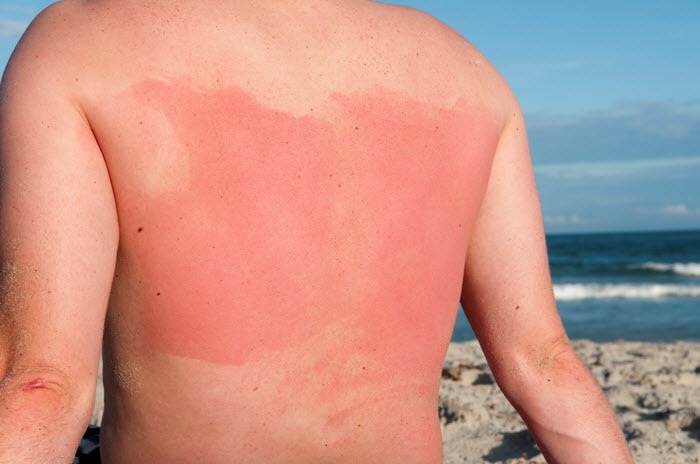
Sunburn Skin for Man
Gentle reminder: Sunburn care-sunhats with a wide brim to protect your face, ears and neck to protect where most skin problems show up first.
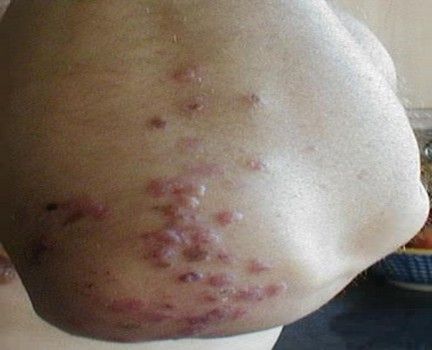
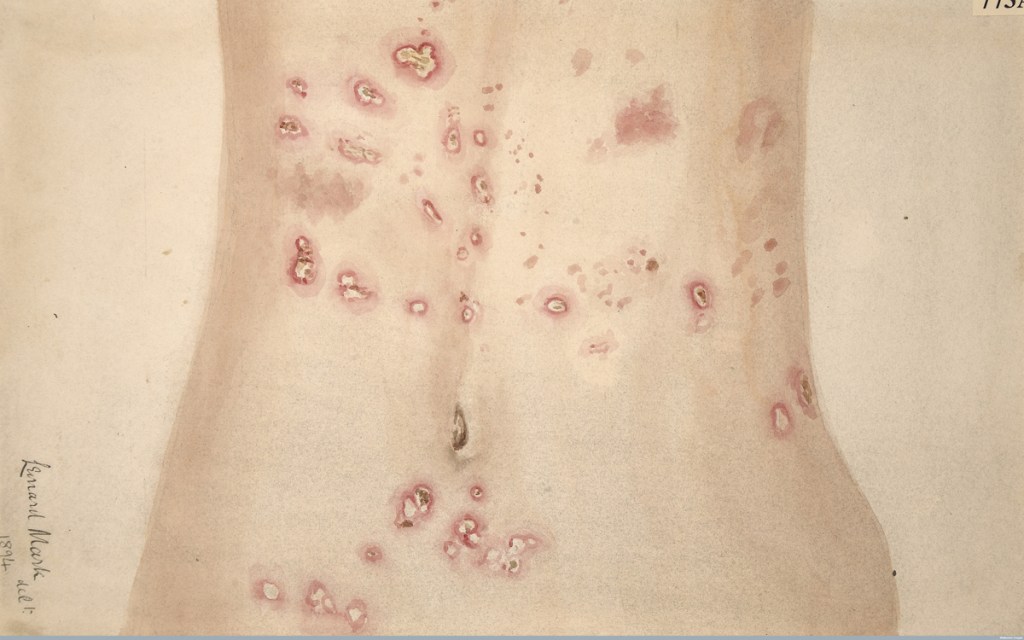
A mysterious rash, raised
bumps, skin color to red, sometimes itchy and/or painful, appearing on mostly
on elbows, but also on hands, knees, forehead, and other parts of the body and
is getting people worried.
Is it contagious?
Dermatologists have noticed more adults and children coming in with the elbow bump rash and prescribing steroids but it does not help the condition at all. Doctors and dermatologists both are misdiagnosing the “rash” as eczema, psoriasis and shingles. It is not either of these skin conditions and patients are coming away frustrated.
Holistic doctors have found by
studying their patients that the mysterious rash is a reaction to eating gluten and the rash is
an often over lookesd symptom of Celiac Disease. The skin rash is also know as
“Celiac Disease Rash,” or “The Gluten Rash,” but
its proper name is Dermatitis Herpetiformis. Dermatitis Herpetoformis can form
any where on the body but the areas most noted are the elbows, hands, knees,
back and buttocks, it causes itching, tingling and pain, especially when leaned
on.
Before the rash actually
breaks out it is extremely itchy in the area, depending on the area it leads
some people and doctors to think it is a dry skin condition and that simply
applying lotion is the answer or steroid creams. The rash may come and go, it
may itch or feel like it’s burning. The rash is small to medium sized bumps,
red or skin colored that appear as if they could have fluid under them but the
skin does not look like a blister. Once the bumps heal a light red rash can be
noticed and slight purple marks where the actual bumps were that heal over
time.
Doctors have also been
prescribing Dapasone for the “rash” and many patients are finding
some relief from the itching, but the best relief is a change in your diet to
that avoids gluten. Patients only about 20-25%, get the rash with the Celiac
Disease. The skin is biopsied in-office by taking a small skin sample. Celiac
blood tests are also available.
Celiac disease is
triggered by eating protein found in wheat, barley or rye, which cause an
immune response in the small intestine when eaten. Gluten can be found in pizza
crust, breads, pasta, bagels, pretzels, cereals, chips and alcoholic beverages
and candy and even more food products. People with a sensitivity to gluten
suffer damage over time to the inner surface of the small intestine and have an
inability to absorb (malabsorption) valuable nutrients: vitamins and minerals
that are needed for the body, that deprive the brain, liver, periphereal
nervous system, bones and other organs that can lead to other serious
complications such as osteoporosis.
Symptoms of Celiac Disease are stomach pain and diarrhea, depression, some suffer from constipation, anemia, fatigue and skin conditions, severe menstrual cramping, bones and other organ problems, hormones, infertility, and joints, but you can have the disease with out any overt symptoms.
Dermatitis Herpetiformis Celiac Disease
The gluten-free diet is the best control of your skin rash, it will not go away immediately, after all you have been eating this way for your whole life and it will take some time to completely cleanse your system of the gluten that can be impacted in the creases of your intestines. Cleanses and detoxing can quicken your healing.
I recently came home from
an amazing overseas trip only to find myself riding the “porcelain express” for
days with a bad case of traveler’s diarrhea (TD), so I decided
to research some healthy, easy remedies for the annoying symptoms of diarrhea.
If you’re like most Americans, you’ll suffer about once or twice this year:
frequent, watery bowel movements that may be accompanied by cramps or nausea. To
help you cope with this uncomfortable and unpleasant distraction, try these ten
easy home cures:
You can lose a lot of liquid in diarrhea, but you also lose
electrolytes, minerals such as sodium and potassium that are important for your
body. Over-the-counter electrolyte replacement formulas like Rehydralyte are
available without a prescription, or simply sports drinks like Gatorade can be
used. Some juices are good, but stay away from prune, apple and pear juices
because they can make your condition worse. Make sure to consume at least 8
cups of fluids, including water, to replace fluids you lose. Avoid coffee or
alcohol! Caffeine jump-starts your intestines, and that’s a definite no when
you have diarrhea.
2: Take OTC
Medicine
Stopping the runs with an over-the-counter (OTC) medication
isn’t the best thing for your body, since the diarrhea usually is body is
trying to rid itself of a nasty bug. If you do feel it’s necessary,
Pepto-Bismol is probably the safest OTC antidiarrheal medicine and it seems to
have a mild antibacterial effect. Another OTC medicine that works faster and
longer is Imodium A-D (Loperamide),
which slows down the gut. It provides quick, temporary relief by reducing
muscle spasms in your gastrointestinal tract, slowing the transit time through
your digestive system. Absorbents like Loperamide can bind medications and
interfere with their absorption into the body so take several hours before
taking your vitamins or meds. You shouldn’t take these more than 48 hours.
After that, call your doctor, since antidiarrheal medication will stop your
body from performing its own natural defense mechanism and will often lead to a
prolonged illness and a weakening of your body’s defenses.
Millions of friendly bacteria (probiotics) reside in our
intestines to assist digestion. A bout of diarrhea upsets the normal balance of
these valuable organisms. Many yogurts with live cultures provide you with
protection—make sure to check the labeling. If you’ve already got diarrhea,
yogurt assists in the production of lactic acid in your intestines, which can
kill off the nasty bacteria and get you feeling healthier, faster. You can also
find these in dairy drinks supplemented with probiotic organisms, as
well as capsules, powders, and liquids like kefir.
4: Avoid Certain
Foods
Avoid dairy products (except yogurt) while you have diarrhea
as well as for a week after it stops. The small intestine, where milk is
digested, is put in overdrive by diarrhea and simply won’t function as well for
a while. Also avoid sweets, both with sugar and artificial sweeteners. Stay
away from fried foods or high-fiber foods. These are nearly impossible for your
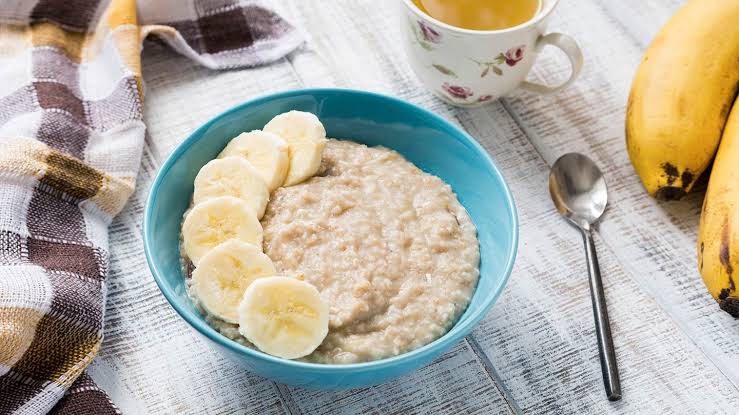
tummy to handle right now. It’s probably a good idea to avoid oatmeal, since
it’s high in fiber, and your intestines can’t tolerate more bulk during a bout
with diarrhea.
5: Eat Starchy
Foods
Starchy foods, such as white rice or tapioca cereals, can
help ease your gut. The thicker the better. Just avoid adding too much sugar,
syrup or salt, as these can aggravate diarrhea. Potatoes are another starchy
food that will restore nutrients and comfort your stomach. That doesn’t include
French fries since fried foods tend to aggravate an aching tummy. Other root
vegetables like carrots (cooked) are also easy on the tummy, and loaded with
nutrients. A yummy alternative is to eat boiled sweet potatoes.
6: Drink Tea
Chamomile
tea, used to help you sleep, is great for treating intestinal inflammation
because of its antispasmodic properties. A 2009 study, chamomile was found to
inhibit the growth of a species of bacteria called Campylobacter jejuni (one of
the most common causes of enteric infections resulting in severe diarrhea).
Brew yourself a cup of chamomile tea from packaged tea bags and steep some
peppermint leaves in a cup of boiling water for fifteen minutes. Drink 3 cups a
day. Orange peel tea is another folk remedy that is believed to aid in
digestion. Place a chopped orange peel (preferably from an organic orange, as
peels otherwise may contain nasty pesticides) into a pot and cover with 1 pint
boiling water. Let it steep until the water is cooled. You can lightly sweeten
it with sugar or honey. Ginger tea can stop cramps and pain. Or take ginger in
capsules. If you don’t feel like leaving the house to buy these teas, just grab
some regular black tea. The tannins in ordinary black tea have an
anti-diarrheal effect.
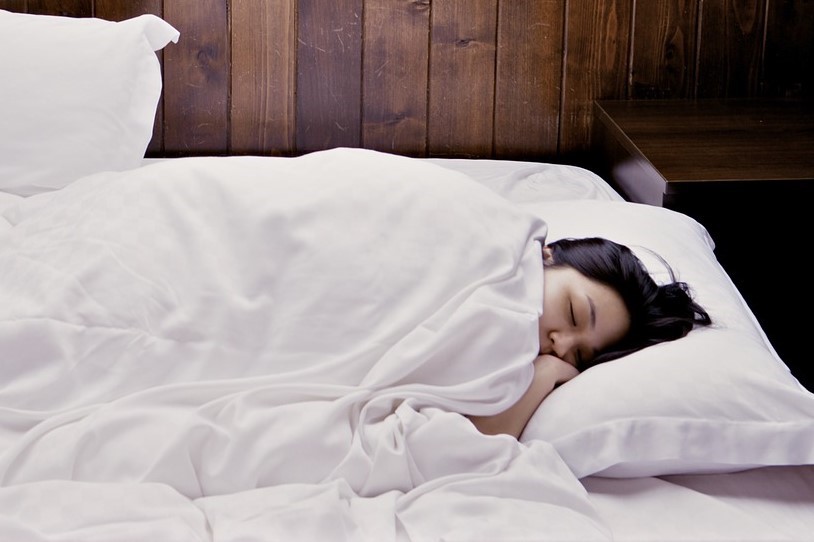
7: Get Rest
Try resting in bed and just veg out in front of the TV or
with a good book. Your body should rid itself of the diarrhea in three days or
less and the added rest will help boost your immune system and get you up back
and running. A heating pad on your tummy may also help relieve abdominal
cramps.
8: Try Blueberries
or Carrots
Dried blueberries have been used as a folk remedy for
diarrhea for ages. Blueberries contain anthocyanosides, which has antioxidant
as well as antibacterial properties as well as tannins, which combat diarrhea.
In Sweden, doctors prescribe a soup made with dried blueberries for stomach
ailments. Carrots naturally contain beneficial electrolytes and minerals that
are lost during diarrhea. Nibbling on fresh carrots may lessen the symptoms and
speed up the recovery time.
9: Squeeze some
lemons
Said to soothe irritation in the intestines, lemon juice is
an easy home remedy. Drinking freshly squeezed lemon juice n a large glass of
water three to five times a day will kill off the pathogens causing the
diarrhea. For prevention in case there is a stomach virus going around, take
1-2 tablespoons of juice before meals.
10: Take Fenugreek
Seeds
Because of the high mucilage content found in the fenugreek seeds, it is considered a useful natural cure for diarrhea. The seeds husks absorb water resulting in bulkier stool. Mix 1/2-teaspoon fenugreek seeds with water and drink up.
Avoid Certain Foods When You Have Diarrhea
With these safe home remedies, you should be able to significantly reduce the severity and discomfort of diarrhea. If you have chronic, or long-term, diarrhea that comes on suddenly and stays for weeks, you may have a more serious condition, so be sure to see a doctor.
We all love our iPods and
MP3 players. But recently a great number of audiologists have signaled the
warning that the decibel level at which young people, that is those in the age
range of 12 to 35, are increasingly at risk for going deaf.
The World Health Organization recently published a study which concluded that “1.1 billion teenagers and young adults are at risk of hearing loss due to the unsafe use of personal audio devices.” Add to that the threat posed by excessively loud concerts and other venues, like sporting events, dance clubs and bars, and it creates a perfect storm of conditions to deprive young people of their hearing very early in life.
One billion young at risk of hearing loss from loud music
Although the study was
completed in February, the news only made it to the media this week. All the
major main stream media outlets ran stories about the WHO findings. Until
recently deafness was a problem for children in underdeveloped who were
susceptible to ear infections which if not treated properly lead to diminished
hearing and even deafness.
But now the problem of
deafness in young people has moved to the richest most developed nations. In
2014 the National Institutes of Health published a warning about what it called
“noise induced hearing
loss.” Few paid any attention to the warning until the media picked up on
the findings of WHO.
It all goes back
to decibel levels
The WHO study, and most of
the media coverage, has zeroed in on ear buds as a leading culprit of hearing
loss. Unlike older ear phones which covered the ear, the newer ear buds sit
directly in the ear canal. The closer the proximity to the stereocilia, the
little hairs that ultimately carry electrical signals to the brain, the more
quickly the stereocilia is damaged. Once damaged, hearing loss is likely to be
permanent.
According to most experts,
including WHO and the NIH, 85 decibels is the safest, loud level at which sound
should be transmitted. 85 decibels is approximately the sound of heavy traffic.
An MP3 player at maximum volume can generate over 100 decibels which is
comparable to concerts, dance clubs and sporting events.
Even everyday items should
be considered dangerous. Ear protection is recommended before using a lawn
mower, leaf blower or even riding a motorcycle.
Timing is also
critical
While the decibel level
indicates sounds which may cause damage, one must also put the amount of
exposure time into the equation. A short burst of sound, say a firecracker or a
gun firing, has a high decibel level, but it may be less damaging then long
time exposure to sounds with slightly lower decibel levels. WHO recommends that
at 85 decibels, exposure to the sound should be limited to 8 hours a day.
Perhaps the most troubling
problem will be disconnecting young people from ear buds which are used
continually during the day and even worn to bed at night.
Apple and other
manufacturers have offered apps which allow parents to set decibel levels on
phone and audio players. But even with levels set low, there should be frequent
breaks from the constant sound.
The WHO estimates that throughout the world at least 350 million people have “moderate to profound hearing loss.” Almost half of these are a result of disease or genetic conditions. But 50% of the remaining hearing losses are deemed avoidable.
1 Billion Young At Risk Of Hearing Loss From Loud Music
Education as to the dangers must be made available soon and regularly before an entire generation losses the ability to hear.
Recent research has shown the importance of sleep for a variety of health reasons, but new research is showing that lack of sleep or waking up several times during the night may increase your chances of developing Alzheimer’s.
Alzheimer’s disease is a type of dementia that creates
issues with thinking, behavior and memory. A sticky plaque called beta-amyloid
builds up in the spaces between the nerve cells, causing toxicity in the brain.
A study in the journal JAMA Neurology
has discovered that disrupted sleep can actually increase this plaque in the
brain.
Subjects over the age of
70 were studied as part of the Baltimore Longitudinal Study of Aging. Those who
reported getting the least amount of sleep (less than five hours per night) and
those who reported experiencing waking multiple times during the night were
discovered to have more beta-amyloid plaque buildup once imaging scans were
performed of their brains. This increased buildup could be a key indicator for
Alzheimer’s disease risk.
Sleep
studies have also discovered that those with sleep apnea (a sleep disorder that
is characterized by pausing in breathing during sleep) have double the risk of
developing Alzheimer’s disease.
The good news is that troubled
sleep or trouble staying asleep (also known as sleep maintenance insomnia) is
treatable, and this new information could be vital in protecting seniors’
brains. The average adult should be getting seven to eight hours of sleep per
night. It is well known that troubled sleep causes difficulties in focus and
learning the following day, and we are coming to find out this could be related
to dying brain cells.
This importance of this work lies in overwhelming amount of expected Alzheimer’s cases to develop in the coming years as the baby boomer generation will be approaching their 70’s. More than 5 million Americans have already been diagnosed with Alzheimer’s disease, and that number is expected to climb to more than double in the United States by the year 2050, and according to the World Health Organization, more than triple globally, reaching an estimated 115.4 million cases.
Disrupted Sleep Could Increase the Risk for Alzheimer’s











 Healthy Living & Life Style Blog