Erectile Dysfunction May Sign Out Other Health Problems

Those suffering from erectile dysfunction maybe faced with some significant health problems throughout the course of the year.

Those suffering from erectile dysfunction maybe faced with some significant health problems throughout the course of the year. This is a major challenge for people who want to maintain their health. There is new research indicating that men will need to improve the way that they tend to deal with these issues as well. They can review some of the resources available to them through medical journeys and surveys that are taken. This will share the experiences of other men who have dealt with these problems in the past. Some men will be able to recommend important lifestyle changes that will actually make it easier to deal with these issues.

Check this Article: Penile Implant Surgery in India

Erectile dysfunction is commonly linked to a whole host of health issues that men will be faced with over time. They may find that they are struggling with different types of heart health problems, which are significant. Men will need to think about how they can accommodate these heart health problems, since this will impact the way that they tend to manage their health. Men will need to consider setting up a consultation with a doctor to understand more about the health issues that they are facing over time as well.

If they discover that they are dealing with major heart health problems, they should contact a physician soon. They will be able to recommend how they can cope with the impact that erectile dysfunction could be having on their bodies. This will give them a better overall understanding of how the disease can affect their health as well. This is a major component of these issues and will help people review some of the important aspects of how this can work. Men will need to review how their heart health can be managed when they accommodate these changes over time.

Some men will find out that they are also dealing with issues related to depression when they are managing their erectile dysfunction. They will need to review how they can best manage their health and find a better overall solution to these problems. There are health professionals who can recommend important changes to the way that they approach these problems. Tension and stress can produce profound effects on the different types of issues that men are facing. This will help people identify the unique aspects of how erectile dysfunction can affect the lives of men and how it may be comorbid with other issues.

It is estimated that 25 percent of men before the age of 50 will face erectile health issues. They will quickly discover that they are dealing with other problems, so a comprehensive health screening may be necessary. Men should contact a male sexual health professional who has a comprehensive view of how these issues may affect their health. It is possible that half of all men before the age of 70 will be dealing with problems related to their erectile health. Given the commonality of these issues, it will be vitally important to talk to an experienced professional operating in the area.

It is important to understand that regular sexual activity can maintain hormone levels within the body. The male orgasm can have important positive effects on a man’s health, which will be a valuable asset for them to consider. Men will need to understand more about how they can improve on their health in just a short amount of time. Getting screened for these issues can help them understand more about how they can best manage their health and get themselves working towards proper health soon. This is a comprehensive part of why erectile dysfunction can impact the health of people involved.

Finally, problems with erectile dysfunction can actually provide a similar explanation for men who are faced with other health issues. They may find that they have blockages within their circulatory system. Men may also discover that they are dealing with circulatory problems that are having a comprehensive impact on their health. This is a core reason why men will need to change their lifestyle and find a comprehensive solution to their health soon. If men can unlock the underlying issue behind their erectile dysfunction, they will be able to properly manage their total health in the long run.

Source: ED Treatment India

Eat healthy to achieve a good pregnancy outcome

According to the Los Angeles County Department of Public Health, more than 150,000 infants are born in the county.

According to the Los Angeles County Department of Public Health, more than 150,000 infants are born in the county. Pregnancy outcomes in the county in regard to such factors as infant mortality, low birth weight births, and preterm births are better than the national average; however, differences in outcomes exist among the different racial/ethnic groups in Los Angeles and among people living in different parts of the county. According to a new study, one of the major factors involved in pregnancy outcome is a healthy diet during pregnancy. Researchers from the Queen Mary University of London in the United Kingdom published their findings online on May 17 in the British Medical Journal.

Check this Article: Penile Implant Surgery in India Cost

Lead author Dr. Shakila Thangaratinam and colleagues noted that in the UK, more than half the women of reproductive age are overweight or obese; furthermore, throughout Europe and the US, up to 40% of women gain more than the recommended weight in pregnancy. They pointed out that excessive weight gain during pregnancy is associated with a number of serious health problems.

The investigators examined the effects of diet, exercise, or a combination of the two on weight gain during pregnancy; they also reviewed adverse effects on the mother or infant following delivery. Their study comprised the review of 44 randomized, placebo-controlled trials involving more than 7,000 women. The authors also rated the design and quality of the studies to reduce bias from lower caliber reports.

The authors noted that weight management interventions in pregnancy proved to be effective in reducing maternal weight gain. In addition, they found dietary interventions to be more effective than exercise programs. Dietary intervention resulted in the an average weight gain reduction of 4 kilograms (8.8 pounds) compared to 0.7 kilogram (1.54 pounds) for exercise and 1 kilogram (2.2 pounds) for a combination of the two. Furthermore, diet also provided the most benefit in preventing pregnancy complications such as pre-eclampsia, diabetes, high blood pressure, and premature birth.

The authors cautioned, however, that the overall quality of the studies in regard to supportive evidence was low to very low for these important outcomes. More importantly, they wrote, the results revealed that dietary interventions are safe and do not adversely affect the infant’s weight. The authors concluded that dietary and lifestyle interventions in pregnancy improve outcomes for both mother and baby; however, they acknowledged the lack of data on risk factors such as age, ethnicity, and socioeconomic status.

Source: http://www.edtreatmentindia.com/

Women need more health awareness before attempting pregnancy, researchers say

Inasmuch as these women have a high level of interest in becoming pregnant, one would think that they would be more knowledgeable than the average women in pregnancy preparation. However, a recent study by the Ottawa Fertility Centre (Ottawa, Ontario, Canada) found that women entering an infertility program had gaps in knowledge in this area. The researchers evaluated 400 women who were enrolling in an infertility program. They found that patients were well informed about health optimization, folic acid consumption, infectious disease exposure, medication use, partner abuse, smoking, and recreational drug use. However, they were not well informed about the risks of daily alcohol consumption, advanced maternal age, exercise, cat litter exposure, and consumption of fish and certain other foods. In addition, they were uncertain about the importance of rubella immunization and family history. Women who had never had a child were less knowledgeable about the significance of rubella immunization, exercise, recreational drug use, cat litter exposure, and fish consumption. Women who had a higher level of education had more knowledge about the effects of the mother’s age, exercise, alcohol exposure, and smoking on pregnancy. The authors concluded that there were gaps in knowledge, even in the highly motivated population of infertile women who are planning to be pregnant. They added that the results of this survey suggest that women need and want their physicians to educate them about optimal pre-pregnancy lifestyle.

Check this Article: Penile Implant Surgery in India Cost

A wealth of information is available on the Internet in regard to pregnancy preparation; furthermore, many excellent books are available on the topic. If you are planning for pregnancy, it is important to be well-informed. Information from well-meaning friends and relatives may be factual or erroneous. Internet information also can be inaccurate. If information is not from a 100% reliable source, it is prudent to reconfirm the information from another source and/or a healthcare professional.

Source: http://www.edtreatmentindia.com/

Moderate alcohol consumption may reduce fracture risk in postmenopausal women

A new fracture-preventative medication comes in the form of a cocktail or a glass of wine, reports a new study. Researchers at the School of Biological and Population Health Sciences, Oregon State University, Corvallis, published their findings online on July 9 in the journal Menopause. According to UCLA Health System, one out of five American women over the age of 50 have osteoporosis; furthermore,about half of all women over the age of 50 will have a fracture of the hip, wrist, or vertebra (bones of the spine).

The researchers noted that epidemiological studies have reported that higher bone mass is associated with moderate alcohol consumption in postmenopausal women. However, the underlying cellular mechanisms responsible for the beneficial effects of alcohol on bone are unknown. They note that excessive bone turnover, combined with an imbalance whereby bone resorption exceeds bone formation, is the principal cause of postmenopausal bone loss. In view of this effect of alcohol, the researchers investigated the hypothesis that moderate alcohol intake decreases bone turnover after menopause.

The study group was comprised of 40 postmenopausal women (average age: 56 years). During the week before the onset of the study, the women drank their normal amounts (average: 1.4 drinks/day) of alcohol and kept a diary. For the 14-day intervention period, the women abstained from drinking any alcohol. On day 15, the researchers gave a measured amount of alcohol, based on the women’s previous drinking patterns, for them to drink. To assess whether alcohol consumption affected bone turnover, the investigators drew blood samples from the women before, during, and after the intervention. to assess whether alcohol consumption affected bone turnover. Bone mineral density was determined by dual-energy x-ray absorptiometry (DXA). Serum levels of the bone formation marker osteocalcin and the resorption marker C-terminal telopeptide (CTx) were measured by immunoassay at baseline (day 0) and after alcohol withdrawal for 14 days. The women then consumed alcohol and were assayed on the following morning.

Check this Article: Penile Implant Surgery in India

The researchers found that bone mineral density at the trochanter (upper tip of the thigh bone) and total hip were positively correlated to the level of alcohol consumption. Compared with baseline levels, serum osteocalcin (4.1 +/- 1.6%) and CTx (5.8 +/- 2.6%) increased after abstinence. Compared to the previous day, osteocalcin (-3.4 +/- 1.4%) and CTx (-3.5 +/- 2.1%) decreased after alcohol readministration to values that did not differ from baseline.

The authors concluded that abstinence from alcohol results in increased markers of bone turnover, whereas resumption of alcohol reduces bone turnover markers. They noted that their results suggest a cellular mechanism for the increased bone density observed in postmenopausal moderate alcohol consumers. They wrote: “Specifically, the inhibitory effect of alcohol on bone turnover attenuates the detrimental skeletal consequences of excessive bone turnover associated with menopause.”

Take home message:

This is another study that notes that moderate alcohol consumption may have certain beneficial effects on one’s health. The key, however, is moderate alcohol consumption. Excess alcohol can have deleterious effects, including the risk of a full, which can result in a hip fracture.

Source: http://m.edtreatmentindia.com/

Drug alert: common painkiller increases the risk of miscarriage

According to UCLA Health System, it is estimated that up to half of all fertilized eggs die and are lost spontaneously, usually before the woman knows she is pregnant. Among those women who know they are pregnant, the miscarriage rate is about 15-20%. Most miscarriages occur during the first seven weeks of pregnancy. The rate of miscarriage drops after the baby’s heart beat is detected. Many factors such as hormone irregularities or infections can increases the risk of miscarriage; however, a new one has been added to the list: non-aspirin non-steroidal anti-inflammatory drugs (NSAIDs). Examples of non-aspirin NSAIDs are ibuprofen (i.e., Advil, Midol, and Motrin) and naproxen (i.e., Anaprox and Advil). On September 6, Canadian researchers published the results of their study online in the Canadian Medical Association Journal. It reported that the ingestion of non-aspirin NSAIDs in early pregnancy is linked to twice the risk for miscarriage. “The association between the use of …NSAIDs during pregnancy and the risk of spontaneous abortion [miscarriage] remains unclear because of inconsistent research results and the lack of evidence for an effect due to specific types or dosages of non-aspirin NSAIDs,” wrote Hamid Reza Nakhai-Pour, MD, PhD, from the University of Montreal and CHU Ste-Justine in Quebec, Canada, and colleagues. “We aimed to quantify the association between having a spontaneous abortion and types and dosages of non-aspirin NSAIDs in a cohort of pregnant women.”

Check this Article: Penile Implant Surgery in India

A total of 4,705 women who suffered a spontaneous abortion were identified from the Quebec Pregnancy Registry. (The medical term for miscarriage is “spontaneous abortion.) For each patient, the investigators randomly selected 10 control participants from other women in the registry, matching by index date, defined as the date of the spontaneous abortion, and by gestational age. Case patients and control participants were compared in use of non-aspirin NSAIDs, as reflected in filled prescriptions. The investigators analyzed associations between different types and dosages of non-aspirin NSAIDs and spontaneous abortion. Of the 4,705 patients with spontaneous abortion, 352 (7.5%) had NSAID exposure, as did 1,213 (2.6%) of 47,050 control participants. The use of non-aspirin NSAIDs during pregnancy was associated with a 2.43 times greater risk for spontaneous abortion. There was no apparent dose-response effect; thus, even small doses increased the risk. The authors concluded: “Gestational exposure to any type or dosage of non-aspirin NSAIDs may increase the risk of spontaneous abortion.”

Source: http://www.edtreatmentindia.com/

Another smoking negative: earlier menopause

One in five women in Los Angeles smoke, according to the Los Angeles County Department of Public Health. A new study, published September 18 in the journal menopause, adds another reason that smoking impacts a woman’s health: earlier menopause. Study author Dr. Volodymyr Dvornyk, from the University of Hong Kong, noted that women “should be aware of this effect and possible health consequences” of smoking, in addition to its other known risks. He and his research team conducted a meta-analysis, which pooled data from six studies of approximately 6,000 women in the U.S., Poland, Turkey, and Iran. It revealed that women who smoke may enter menopause about a year earlier than nonsmokers. On the average, non-smokers reached the menopause between age 46 and 51, on average, depending on the study population. In all but two of the studies, smokers were younger: between age 43 and 50. The researchers also reviewed five other studies that used a cut-off age of 50 or 51 to stratify women into “early” and “late” menopause groups. Among the more than 43,000 women in that analysis, smokers were 43% more likely than nonsmokers to have early menopause. They wrote, “Our results give further evidence that smoking is significantly associated with earlier [age at menopause] and provide yet another justification for women to avoid this habit.”

Check this Article: Cosmetic Penile Surgery in India

Dr. Dvornyk noted that the “general consensus is that earlier menopause is likely to be associated with the larger number and higher risk of postmenopausal health problems, such as osteoporosis, cardiovascular diseases, diabetes mellitus, obesity, Alzheimer’s disease, and the others.” He added that early menopause is also thought to slightly increase a woman’s risk of death in the years following. Two theories regarding smoking and early menopause are (1) Smoking may alter the way a women’s body produces or removes estrogen; and (2) Certain components of cigarette smoke might kill ova (eggs). Dr. Dvornyk and his colleagues did not have information on how long women had been smoking or how many cigarettes they smoked each day; therefore, they could not determine how either of those factors may have affected age at menopause.

In addition to the foregoing health effects of smoking are cosmetic issues. Smoking increases facial wrinkles, stains your teeth, makes your voice hoarse, and gives you bad breath.

Source: HEALTH AND WELLNESS BLOG INDIA

Prevent diabetes with nutrition and exercise, not pills

Nutrition and exercise can delay diabetes for at least a decade and those lifestyle changes work better than a popular drug.

In the late 1990s, the Diabetes Prevention Program randomly assigned, to one of three groups, roughly 3,200 people who were at risk for diabetes because they were overweight or obese and had fasting blood sugar levels that were elevated (at least 95 mg/dL) but not high enough to warrant a diagnosis of diabetes (126 mg/dL or higher).

Those assigned to the intensive lifestyle group were encouraged to lose at least 7 percent of their body weight and to exercise for at least 2½ hours a week.

The drug group was given the oral diabetes drug metformin (850 milligrams twice a day).

The placebo group was given lookalike but inactive pills.

In 2001, the researchers halted the study one year earlier than planned because the results were so clear: The risk of diabetes was 58 percent lower in the intensive lifestyle group than in the placebo group.

Check this Article: Penile Implant Surgery in India

Metformin cut the risk by 31 percent versus the placebo. In a follow-up study, the researchers invited the people from all three of the original groups to attend coaching sessions on intensive lifestyle changes every three months.

During the next six years, the people from the original intensive lifestyle group maintained their lower risk of diabetes, while the risk of people from the original drug and placebo groups declined.

But since the people in the original lifestyle group had a head start, their 10-year risk of diabetes was 34 percent lower than the risk of those in the original placebo group. The metformin group’s risk was 18 percent lower than the original placebo group’s.

Type 2 diabetes is associated with obesity, especially abdominal obesity. Type 2 diabetics usually produce enough insulin but their cells are insulin resistant. This can result in hyperglycemia (high blood sugar). If left uncorrected, it leads to kidney, heart, eye and nerve damage.

Source: HEALTH AND WELLNESS BLOG INDIA

You can prevent diabetes even if you are pre-diabetic. Start eating better and exercising regularly. Start today.

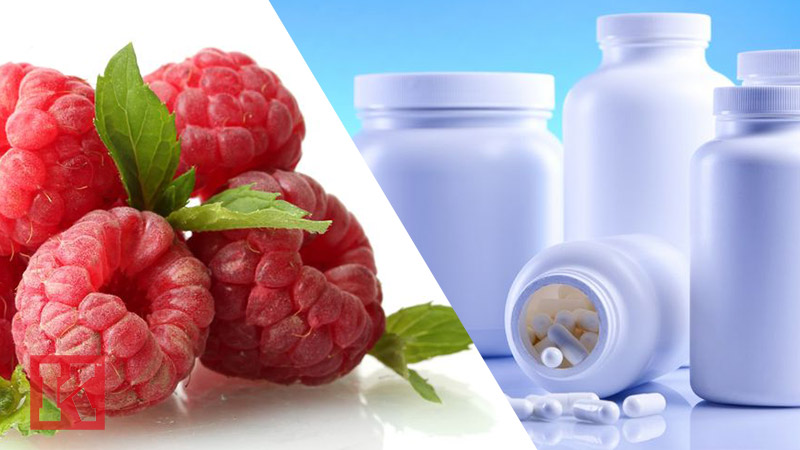
5 secrets about raspberry ketones and weight loss

Raspberry ketones seems to be a current superstar in the weight loss arena. Its important to remember that for you to achieve permanent weight loss, it takes many changes and adjustments on your part. When you rely on a single “weight loss product,” diet or fitness gadget to build a lean and healthy body, you are setting yourself up for failure.

For long-term weight loss success to happen, you will need to commit to a lifestyle of health and fitness. There are no shortcuts. Quick weight loss gimmicks will lead you to more weight regain and excess body fat.Yes, permanent weight loss success will always primarily be about what, when and how much you eat and whether you are consistently exercising and be active. Let those facts sink into your subconscious.

Here are 5 secrets about raspberry ketones provided by Kevin DiDonato, MS, CSCS, CES:

1. Raspberry ketones has been around since 1965, but until recently, was not researched extensively. The nutrient has been made famous by Dr. Oz.

Raspberry ketones, otherwise known as rheosmin, has been shown in research to increase fat metabolism in your fat cells. Research suggests that aromatic components in red raspberries work by increasing enzyme activity, increasing oxygen consumption, and increasing heat production in some fat cells in your body. Put together, this may lead to lower levels of fatty acids being stored in your fat cells – resulting in more weight loss.

2. Raspberry ketones has also been linked to an increase in the expression of adiponectin levels in your blood, which could stimulate increased energy expenditure. According to one study published in Planta Medica, exposure of raspberry ketones in fat cells may be linked to increased fat oxidation and adiponectin levels.

Adiponectin, which is a protein secreted exclusively from your fat cells, has been linked to increased fatty-acid oxidation and fatty-acid breakdown. It has been shown to be decreased in overweight or obese individuals, but losing weight has been shown to dramatically increase your levels.

3. Adiponectin has been shown to impair your immature fats cells (pre-adipocytes) from turning into mature, full-fledged fat cells. Plus, it may increase energy expenditure. Raspberry ketones, according to some clinical studies, has been shown to raise adiponectin levels, which could partly explain the powerful effects of raspberry ketones.

The author of this study aimed to evaluate the effects of raspberry ketones on the expression and secretion of adiponectin, lipolysis, and fatty-acid oxidation in white fat cells.

4. White fat cells (different than brown, beige, or visceral fat) are cells that store extra fatty acids circulating in your blood for later use. They are also responsible for hormone and cytokine secretion, which makes fat cells an endocrine organ in your body.

Health Blog URL: http://blog.edtreatmentindia.com/

The researchers administered raspberry ketones to white adipose fat cells. They discovered that raspberry ketones increased lipolysis significantly in white fat cells; plus, it increased the expression and secretion of adiponectin in those same cells. Also, he noted that raspberry ketones was able to increase fat oxidation and suppress fat accumulation in those very same fat cells.

From their work, they concluded that raspberry ketones showed promise as an herbal medicine due to their biological activities in promoting greater lipid metabolism in white fat cells.

5. Raspberry ketones, the aromatic polyphenol found in red raspberries, has received tremendous media exposure as of late due to their ability to improve weight loss results, and rightly so. Raspberry ketones may increase fatty-acid oxidation, increase lipolysis, and increase the expression and secretion of adiponectin (powerful adipokine released by your fat cells).

In fact, the results of this study showed that raspberry ketones, when administered to white fat cells, could be responsible for the increase in adiponectin levels, fat burning, and prevention of fat being stored in the fat cells.

Raspberry ketones, along with a balanced diet and sound exercise program, may increase fat burning and reduce overall fat accumulation in your cells.

Check this Article: Cosmetic Penile Surgery in India

Weight loss and Vitamin D

Los Angeles is in the Sun Belt; thus, most women in the city can increase Vitamin D levels by simply spending time in the sun. It is common knowledge that adequate Vitamin D is necessary for health; however, a new study has found that circulating Vitamin D concentrations in postmenopausal women are directly associated with weight loss, whether achieved through decreasing calories or increasing physical activity. The study was conducted by researchers at the Fred Hutchinson Cancer Research Center in Seattle, Washington. The authors noted that low concentrations of circulating Vitamin D are common on obese postmenopausal women and may represent a potential mechanism explaining the elevated risk of certain cancers and cardiovascular disease observed in obese or overweight individuals. The objective of the study was to investigate the effects of 12 months of weight loss through caloric restriction, exercise intervention, or both on serum Vitamin D levels.

Check this Article: Penile Implant Surgery in India

The study group was comprised of 438 overweight and obese postmenopausal women: 118 were assigned to dietary modification; 117 were assigned to an exercise intervention; 117 were assigned to diet plus exercise; and 87 were assigned to a control group. Women receiving the dietary intervention experienced a 10% weight loss goal using a group-based reduced-calorie program. The women assigned to the exercise intervention underwent 45 minutes of moderate to vigorous intensity aerobic activity daily for five days each week. The investigators measured serum Vitamin D levels at baseline and at 12 months. Women who lost the most weight had the largest increase in Vitamin D levels. The authors concluded that a greater degree of weight loss, achieved through either a reduced-calorie diet or increased exercise, is associated with increased circulating Vitamin D concentrations. They noted that although greater adiposity is associated with lower concentrations of circulating vitamin D, their findings suggest that lifestyle-based weight loss of 5% to 10% body weight is associated with a modest increase in serum Vitamin D; however, baseline vitamin D status had little effect on the achievement of weight loss in a sample of overweight and obese postmenopausal women. They recommended that further research should be conducted to better understand the role of vitamin D in pathways influencing energy balance and that this research may lead to a clearer understanding of optimal vitamin D concentrations for promoting health.

Sexy fitness Girl in Health Club

Source: HEALTH AND WELLNESS BLOG INDIA

Vitamin E may increase risk of prostate cancer

Many Angelenos take one or more—sometimes a dozen or more—vitamins daily; however, that may not be a good thing. Falling on the heels of a study published October 10, which suggested an increased risk of death for older women taking vitamin and mineral supplements, is a new study on men taking vitamin and mineral supplements. The study, which was published in the October 11 issue of the Journal of the American Medical Association, reported that men taking Vitamin E and selenium had a slightly higher risk of developing prostate cancer. These two new studies add to the growing body of evidence that taking extra doses of vitamins can do more harm than good. “You go back 15 or 20 years, and there were thoughts that antioxidants of all sorts might be useful, said Dr. Eric Klein, a Cleveland Clinic physician and national study coordinator for the prostate cancer and vitamin E study. He added, “There really is not any compelling evidence that taking these dietary supplements above and beyond a normal dietary intake is helpful in any way, and this is evidence that it could be harmful.

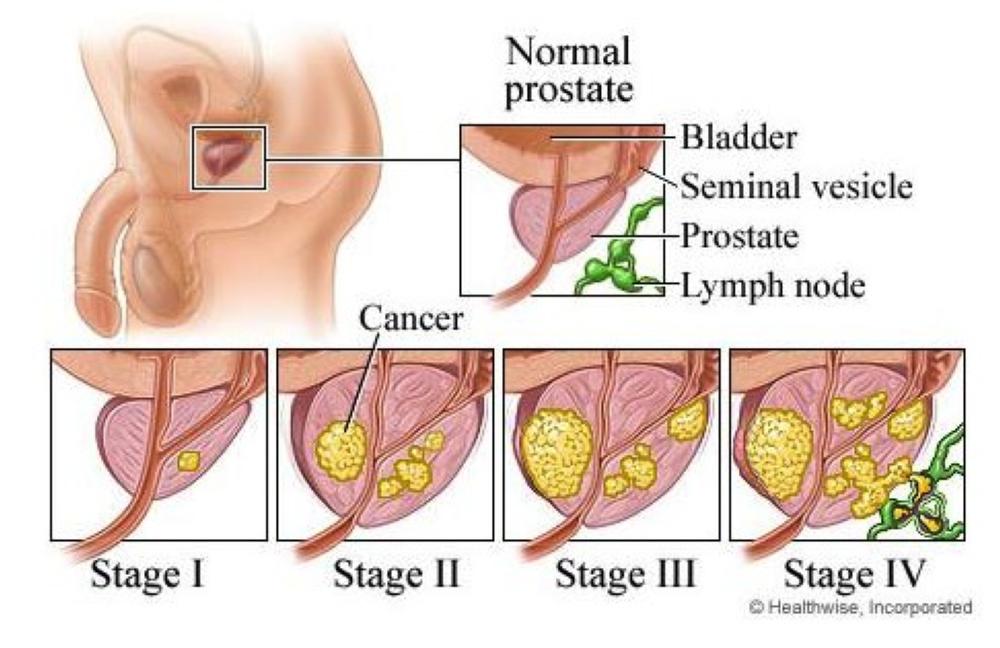
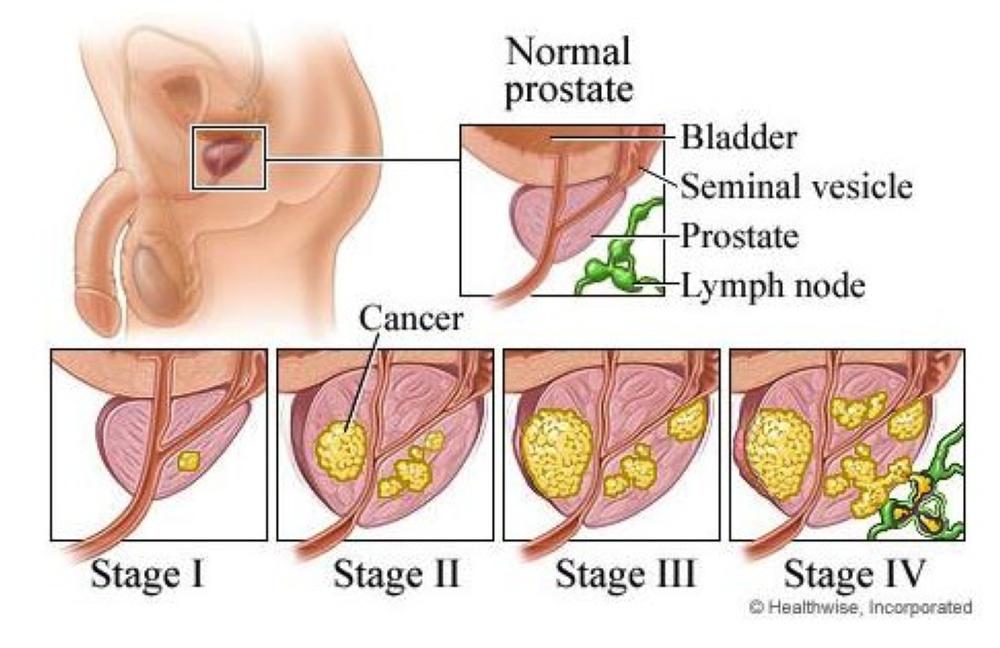
Read This: Prostate Cancer and Erectile Dysfunction

The Selenium and Vitamin E Cancer Prevention Trial, which was dubbed the Select trial, evaluated whether selenium and Vitamin E, either alone or in combination, could lower a man’s risk for prostate cancer. The trial was halted early in 2008 after a review of the data showed no benefit. Furthermore, it found a slight risk of prostate cancer and diabetes that wasn’t statistically significant. The latest data, based on longer-term follow-up of the men in the trial, reported that users of Vitamin E had a 17% higher—and statistically significant—risk of prostate cancer compared with men who did not take the vitamin, a level that was statistically significant. There was no increased risk of diabetes.

The dosage evaluated in the Select trial was 200 micrograms of selenium and 400 international units of vitamin E. By comparison, most multivitamins contain about 50 micrograms of selenium and 30 to 200 international units of vitamin E. The authors concluded: “Based on existing evidence, we see little justification for the general and widespread use of dietary supplements. Everyone requires vitamins, which are essential nutrients that the body cannot manufacture; however, in the past few years, several high-quality studies have failed to show that high doses of vitamins, at least in pill form, help prevent chronic disease or prolong life.

Source: Penile Implant Treatment in India

Design a site like this with WordPress.com
Get started