
Neanderthal diet featured meat and veg Paleo diet optimized for weight loss

Chomp, chomp. A new study has revealed that Neanderthals consumed meat and plants, supporting previous theories that their diets featured protein, reported Businessweek on Wednesday. And although there are similarities, the modern Paleo diet has been modified to boost weight loss and health, say experts.

After finding evidence of metabolized plant products in fossilized feces, researchers have more knowledge about precisely what Neanderthals ate, said Ainara Sistiaga, the study’s lead author. And although meat appeared to provide them with most of their fuel, the plant poop proves that veggies “were ingested as part of the diet.”

Health Blog URL: http://blog.edtreatmentindia.com/

However, when it comes to percentages, the Neanderthals consumed more meat than greens. That conclusion stems from the discovery that the samples contained high concentrations of broken-down cholesterol similar to modern humans, said Sistiaga.

The poop study provides a new slant, indicating that Neanderthals were omnivorous rather than carnivorous, reported Slate magazine on Wednesday. It’s also one of the most in-depth reports thus far, since other studies were based more on speculation.

Scientists also are intrigued by what happened after they discovered fire, estimated to be two million years ago. Researchers theorize that event resulted in a boost in meat intake. “They probably weren’t prepared for such a high meat intake,” speculates Sistiaga.

So how does this study compare with what modern Paleo dieters eat? They both are low carb diets, and both eliminate dairy and grain. However, Paleo gurus emphasize that caveman dieters can customize the plan to enhance their health.

Check this Article: Cosmetic Penile Surgery in India
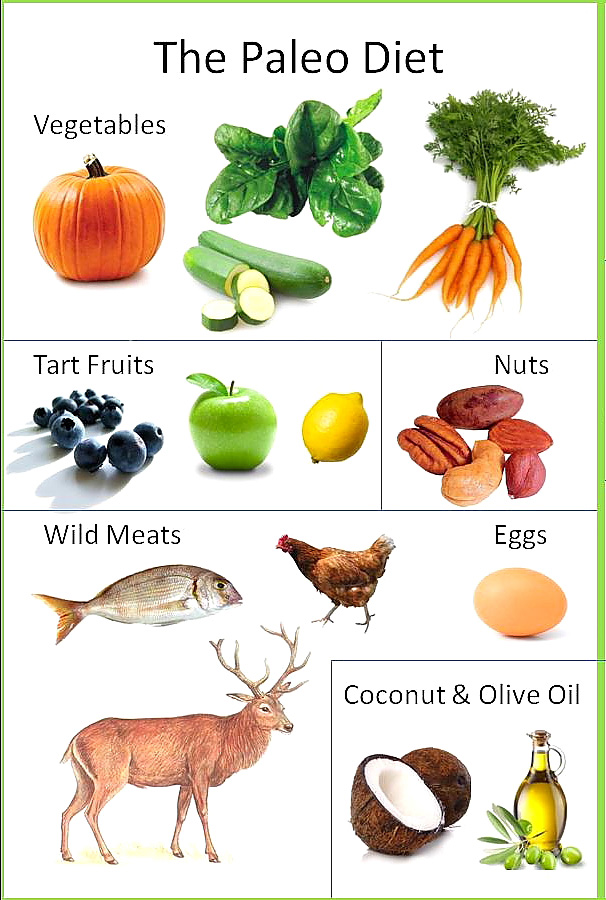
In an exclusive interview, Robb Wolf, author of “The Paleo Solution: The Original Human Diet,” told me that many people don’t understand the caveman concept approach, which emphasizes quality over quantity. The “calories in, calories out” concept has failed to reverse the rising rates of obesity and its accompanying diseases such as cholesterol.

Insisting that humans need grains and dairy implies that “all food is equal,” says Robb. “The ‘everything in moderation crowd’ (which refers to mainstream medicine and dietetics) has had the last 50 years to preach this message and it has been a complete failure.”

And the Paleo diet today is not limited to meat and veggies. Robb’s research shows that the healthiest approach for dieters is to create a diet “built around fruits, veggies, lean meats, nuts and seeds.”

After numerous studies, Robb feels it is clear that a Paleo diet not only “provides all the nutrients for health, but that the Paleo diet is, calorie for calorie, the most nutritious way one can eat. This position that removing grains and dairy is inherently unhealthy is not based on science.”

Expanding on the omnivorous low carb diet approach, Robb notes that the use of resistant starch in modern Paleo diets highlights “the bigger topic of the human gut biome.” In contrast, consuming refined carbohydrates “appear to feed bacteria in the small intestine leading to a condition aptly named ‘small intestinal bacterial overgrowth.’ This bacterial overgrowth in the small intestine is now being linked to a remarkable number of health issues, from cardiovascular disease to autoimmunity.”

Check this Article: Surgeons in India

The recognition of the role of fiber has grown, and “it has only been recently that we have understood the mechanism to be that of feeding our beneficial gut flora. A Paleo diet built around fruits, veggies, roots, shoots, tubers nuts and seeds provides an enormous variety of fermentable carbohydrate to keep our gut bacteria healthy,” Robb added.

Taking the omnivorous concept one step further, Paul and Shou-Ching Jaminet have created a modified Paleo diet that includes fish, meat, vegetables, fruit and what they call “safe starches.” The latter includes rice and potatoes, which they emphasize as key to health and weight loss. It’s all detailed in their book “Perfect Health Diet: Regain Health and Lose Weight by Eating the Way You Were Meant to Eat.”

As Robb notes, a significant body of science supports the theory that by avoiding foods toxic to humans, dieters can both shed pounds and avoid disease. The “Perfect Health Diet” avoids grains, legumes, refined sugars and processed oils. Another advocate of resistant starch is blogger Richard Nikoley. Author of “Free The Animal: Lose Weight & Fat With The Paleo Diet,” he emphasizes that enhancing the traditional Paleo diet in this way can provide benefits ranging from improved sleep to a boost in weight loss.

Fast Beach Diet accelerates weight loss with six-week diet bootcamp

What’s your vision of summer? Leisurely strolls on the beach? Heading to the pool? If the wonders of warm weather are getting a dose of cold water because last year’s bikini doesn’t fit, there’s a new version of the intermittent fasting plan that can help. It promises to give you the results you desire in just six weeks: “The Fast Beach Diet: The Super-Fast Plan to Lose Weight and Get In Shape in Just Six Weeks.”

Author Mimi Spencer co-authored the famous “The FastDiet: Lose Weight, Stay Healthy, and Live Longer with the Simple Secret of Intermittent Fasting,” which teaches you how to feast five days a week and go on a restricted-calories plan two days to lose weight. In an exclusive interview, she explained how the Fast Beach Diet differs.

1. How does this plan differ from the original Fast Diet?

‘The Fast Beach Diet was written in response to people who asked for a souped-up version of the original 5:2 plan. It’s designed as a kick-start program, which is tougher, wider-ranging and lasts for just six weeks. It includes the introduction of exercise, together with lots of fresh ways to change our habits around food, so that the choices we make on a daily basis can be as healthy and sustainable as possible. Basically, it is an extension of the original plan – but the key factor is that it is only intended to last for six weeks. It’s like a boot camp for fasters!”

2. What tips can you offer for restricted calorie days?

“Five-hundred calories (or six-hundred for a man) is, admittedly, not a great deal, so it matters that you choose your food wisely on a Fast Day. The 5:2 rule is ‘Mostly Plants and Protein’. Fill your plate with vegetables and salad, and cut back hard on fast-release carbs (these are the white ones – white bread, potatoes, white rice etc). Eat some protein, but make it lean (shellfish, skinless chicken, vegetable protein in the form of beans or tofu…) You need to opt for things that are satiating, so look for bulk and fiber from veggies – and dishes that are full of flavor (lemon, chili, herbs, spices – these all become paramount on a Fast Day).”

It’s important to understand that, while you may experience hunger pangs on a Fast Day, they are nothing to fear; they tend to be transient and increasingly manageable. The trick is to keep busy, distract yourself, and stay hydrated. Fasting gets easier in time – and remember, you do have some calories going in. This is not a total fast, just a brief break from food.

3. How much weight can someone lose in four weeks on the FastBeach Diet?

“The program is for six weeks, and a 2lb a week loss would be feasible. Some weeks you may lose more (particularly at the start); others may be slower going. Look at the trajectory not the daily number.”

4. What are the benefits in addition to weight loss?

“The benefits of intermittent fasting go beyond any expected weight or fat loss. It can help cut the risk of a number of age-related diseases, and encourage the body’s repair mechanisms. There can be improvements in cardiovascular health, blood pressure and cholesterol levels, and fasting also gives your pancreas a rest, boosting the effectiveness of the insulin it produces in response to elevated blood glucose.

Check this Article: Penile Implant Surgery in India Cost

“As my co-author Dr Michael Mosley points out in the original book, fasting will tweak your body into fat burning and increase its insulin sensitivity; this is turn will reduce your risk of obesity, diabetes, heart disease and cognitive decline. There’s even evidence that it increases levels of neurotrophic factor in the brain, which should make you more cheerful.

“Beyond these anticipated benefits, there is a more subtle, psychological edge: The Fast Diet helps modify our behavior around food, making us more mindful and aware; it offers a practical way to understand our appetite, and give a bit more attention to what’s on the fork. For anyone who tends to eat on autopilot (hey, who doesn’t?), that new awareness can be hugely beneficial.

5. What’s a sample day like on a restricted calorie day? (There’s also a cookbook: “The FastDiet Cookbook: 150 Delicious, Calorie-Controlled Meals to Make Your Fasting Days Easy.”)

“Most fasters opt for a 5:2 protocol, fasting perhaps on a Monday and a Thursday each week. Some will have breakfast (protein is important here, so an egg would be great) at, say, 7am – then a ‘Fasting Window’ of around 12 hours until supper at 7pm. They divide their calories between those two meals, looking for bulk and satiety from plants, plus some protein. Other 5:2 followers choose to save all their calories for an evening meal, which effectively means they are fasting for a longer period of time. Both approaches can be successful – it’s up to the individual to experiment and discover what works for them.”

Source: http://m.edtreatmentindia.com/

Weight loss and Vitamin D

Los Angeles is in the Sun Belt; thus, most women in the city can increase Vitamin D levels by simply spending time in the sun. It is common knowledge that adequate Vitamin D is necessary for health; however, a new study has found that circulating Vitamin D concentrations in postmenopausal women are directly associated with weight loss, whether achieved through decreasing calories or increasing physical activity. The study was conducted by researchers at the Fred Hutchinson Cancer Research Center in Seattle, Washington. The authors noted that low concentrations of circulating Vitamin D are common on obese postmenopausal women and may represent a potential mechanism explaining the elevated risk of certain cancers and cardiovascular disease observed in obese or overweight individuals. The objective of the study was to investigate the effects of 12 months of weight loss through caloric restriction, exercise intervention, or both on serum Vitamin D levels.

Health Blog URL: http://blog.edtreatmentindia.com/

The study group was comprised of 438 overweight and obese postmenopausal women: 118 were assigned to dietary modification; 117 were assigned to an exercise intervention; 117 were assigned to diet plus exercise; and 87 were assigned to a control group. Women receiving the dietary intervention experienced a 10% weight loss goal using a group-based reduced-calorie program. The women assigned to the exercise intervention underwent 45 minutes of moderate to vigorous intensity aerobic activity daily for five days each week. The investigators measured serum Vitamin D levels at baseline and at 12 months. Women who lost the most weight had the largest increase in Vitamin D levels. The authors concluded that a greater degree of weight loss, achieved through either a reduced-calorie diet or increased exercise, is associated with increased circulating Vitamin D concentrations. They noted that although greater adiposity is associated with lower concentrations of circulating vitamin D, their findings suggest that lifestyle-based weight loss of 5% to 10% body weight is associated with a modest increase in serum Vitamin D; however, baseline vitamin D status had little effect on the achievement of weight loss in a sample of overweight and obese postmenopausal women. They recommended that further research should be conducted to better understand the role of vitamin D in pathways influencing energy balance and that this research may lead to a clearer understanding of optimal vitamin D concentrations for promoting health.

Tips for good sex after the menopause

A few generations ago, many women just got old when menopause struck. Currently, many women live for a number of the decades after the menopause, during which they can enjoy good health—and a satisfying sex life. Some problems can occur after the menopause that can impact sex relationships. Tara Allmen, MD is a board certified obstetrician gynecologist and a nationally certified menopause practitioner from The Center of Menopause, Hormonal Disorders and Women’s Health. I consulted with her on the topic

Dr. Allmen notes that menopause is inevitable—barring an untimely death, every woman will experience menopause. With menopause and post-menopause come natural health challenges or questions that are totally normal and need to be addressed. Talking about these topics is never easy with your friends or partner—or even with your doctor. However, it is important to become educated so you understand your symptoms and how to best manage them. It is also important for postmenopausal women to understand they are not alone.

Happy mature couple on bed

See Also: Erectile Dysfunction ED Treatment in India

A common problem impacting menopausal women is vaginal dryness, which is due to a drop in estrogen. The condition can make sexual relations painful and even impossible. For these women, Dr. Allmen recommends the Estring, which is a ring that is inserted into the vagina and releases a small amount of estradiol for three months before it needs to be replaced. When in place, neither the woman nor her partner is aware of its presence. Hormone replacement therapy (HRT) can restore vaginal health; however, some women have health conditions that preclude their use or are reluctant to take HRT because of it has been reported to increase the risk of breast cancer or other illnesses.

Dr. Allmen concurred with me that many gynecologists have busy practices that preclude conversations about an intimate topics. Both she and I agree that a woman should not be afraid to speak up and request time to discuss the situation. Before discussing the situation with a healthcare professional, a woman should educate herself regarding issues of the menopause. She recommends two websites: estring.com for information regarding the Estring ring and http://www.edtreatmentindia.com, which is the website of the North American Menopause Society (NAMS). Another good source of information for women is http://www.acog.org, the website of the American Congress of Obstetricians and Gynecologists (ACOG).

New study on smoking cessation during pregnancy

One out of five women in Los Angeles currently smoke; some of these women are pregnant or attempting pregnancy. Because smoking is harmful to both the mother and her developing fetus, most pregnant smokers make an effort to quit. A new study has reported that counseling alone is inadequate for helping most pregnant women quit smoking. The study, published online August 22 in the British Journal of Obstetrics and Gynaecology, concluded that more research on the use of nicotine replacement and other therapies during pregnancy may be needed. The study reviewed eight clinical trials comprised of a total of almost 3,300 pregnant women. The investigators evaluated whether counseling helped pregnant women quit smoking after six months.

Check this Article: Penile Implant Treatment in India

Four of eight trials showed no difference between groups of pregnant women who got smoking-cessation counseling and those who did not; the other four studies reported just a slightly lower quit rate in women who did not receive the counseling. For example, in the study with the highest success rate, only 24% of women who received counseling were able to quit, compared to 21% who did not receive counseling. Thus, three out of four pregnant women in that study continued to smoke whether they had counseling or not, noted lead author Dr. Kristian Filion from the University of Minnesota in Minneapolis. He explained, “We were a little surprised by the small number of women that remained abstinent and by the small effect of counseling.” He does not recommend abandoning counseling as an intervention; however, he does see a need to study more effective approaches. “Evidence regarding the safety and effectiveness of nicotine replacement therapies in pregnant women is limited,” he said. “More research in this area is needed so that we can better understand the risk-benefit ratio of nicotine replacement therapies in pregnant women.” Using counseling, nicotine replacement and other therapies that might help in a quit attempt before getting pregnant is a woman’s best bet, said Dr. Filion. U.S. Public Health Service guidelines recommend nicotine replacement therapies and drugs such as Wellbutrin (bupropion) and Chantix (varenicline) to help people stop smoking; however, these medications also have a negative effect on the fetus. For example, nicotine constricts arterial blood vessels; thus, the fetus receives less oxygen when nicotine is in the blood stream. However, nicotine alone avoids exposing the fetus to the numerous toxic substances contained in tobacco.

Take Home Message:

It is best to stop smoking without the aid of any substances that can be harmful to the fetus; however, it is better to apply a nicotine patch than light up a cigarette.

Source: http://www.edtreatmentindia.com

Early menopause increases risk of coronary heart disease and stroke

According to the LA County Department of Public Health, coronary heart disease is the leading cause of death for women in the county and stroke is the second leading cause of death for women in the county. A new study has reported that an early menopause increases the risk of both conditions. Researchers affiliated with the University of Alabama, Birmingham published their findings in the October issue of the journal Menopause.

The researchers noted that the identification of women at risk of cardiovascular disease is of major public health importance. They explained that some studies have reported an association with cardiovascular disease events in some predominantly white populations; however, others did not find an association. The objective of the study was to determine if self-reported early menopause (menopause at an before age 46) identifies women as at risk for future coronary heart disease or stroke.

Check this Article: ED-1000 Treatment in India

The researched reviewed data from the Multi-Ethnic Study of Atherosclerosis, which is a longitudinal, ethnically diverse study of US men and women aged 45 to 84 years enrolled in 2000-2002 and followed up until 2008. The investigators evaluated the association between a personal history of early menopause (either natural menopause or surgical removal of ovaries before the age of 46). Future coronary heart disease and stroke was assessed in 2,509 women (age: 45-84; 987 white; 331 Chinese; 641 black; and 550 Hispanic) from the Multi-ethnic Study Atherosclerosis who were free of cardiovascular disease at baseline.

The authors found that of 2,509 women, 693 (28%) reported either surgical or natural early menopause. In survival curves, women with early menopause had poorer coronary heart disease and stroke-free survival. In models adjusted for age, race/ethnicity, Multi-ethnic Study Atherosclerosis site, and traditional cardiovascular disease risk factors, this risk for coronary heart disease and stroke was a 2.08-fold increased risk for coronary heart disease and 2.19-fold greater risk for stroke.

The authors concluded that early menopause was positively associated with coronary heart disease and stroke in a multiethnic cohort, independent of traditional cardiovascular disease risk factors.”

Take home message:

If you experience an early menopause, you should consult with a gynecologist or endocrinologist and mention this study. Hormone replacement therapy (HRT) may be beneficial under these circumstances. Poor lifestyle choices such as smoking have been reported to increase the risk of an early menopause. Smoking also increases the risk of cardiovascular disease.

Source: http://www.edtreatmentindia.com

Another smoking negative earlier menopause

One in five women in Los Angeles smoke, according to the Los Angeles County Department of Public Health. A new study, published September 18 in the journal menopause, adds another reason that smoking impacts a woman’s health: earlier menopause. Study author Dr. Volodymyr Dvornyk, from the University of Hong Kong, noted that women “should be aware of this effect and possible health consequences” of smoking, in addition to its other known risks. He and his research team conducted a meta-analysis, which pooled data from six studies of approximately 6,000 women in the U.S., Poland, Turkey, and Iran. It revealed that women who smoke may enter menopause about a year earlier than nonsmokers. On the average, non-smokers reached the menopause between age 46 and 51, on average, depending on the study population. In all but two of the studies, smokers were younger: between age 43 and 50. The researchers also reviewed five other studies that used a cut-off age of 50 or 51 to stratify women into “early” and “late” menopause groups. Among the more than 43,000 women in that analysis, smokers were 43% more likely than nonsmokers to have early menopause. They wrote, “Our results give further evidence that smoking is significantly associated with earlier [age at menopause] and provide yet another justification for women to avoid this habit.”

Check this Article: Peyronie Disease and Treatment in India

Dr. Dvornyk noted that the “general consensus is that earlier menopause is likely to be associated with the larger number and higher risk of postmenopausal health problems, such as osteoporosis, cardiovascular diseases, diabetes mellitus, obesity, Alzheimer’s disease, and the others.” He added that early menopause is also thought to slightly increase a woman’s risk of death in the years following. Two theories regarding smoking and early menopause are (1) Smoking may alter the way a women’s body produces or removes estrogen; and (2) Certain components of cigarette smoke might kill ova (eggs). Dr. Dvornyk and his colleagues did not have information on how long women had been smoking or how many cigarettes they smoked each day; therefore, they could not determine how either of those factors may have affected age at menopause.

In addition to the foregoing health effects of smoking are cosmetic issues. Smoking increases facial wrinkles, stains your teeth, makes your voice hoarse, and gives you bad breath.

Source: http://www.edtreatmentindia.com

Design a site like this with WordPress.com
Get started