
Gluten free: Preference or Necessity?

“Gluten free” diets are all the rage lately. Grocery stores have added “gluten-free” aisles. Nearly every restaurant advertises its gluten-free menu. Universities have gluten-free sections of their convenience stores. Gluten-free eating has become such a widespread trend that there’s even a gluten-free Girl Scout Cookie.

For many people, gluten-free eating is a fad. For people like me with Celiac Disease, it’s a necessity.

Eat Gluten Free; Have A Family Member With Celiac Disease

Check this Article: Penile Implant Surgery in India Cost

According to the National Foundation for Celiac Awareness, only 1 in 133 Americans are diagnosed with Celiac Disease, a digestive disease that damages the small intestine and restricts the body’s ability to absorb nutrients from food. People who have the disease cannot tolerate any gluten, a protein in wheat, rye, and barley. For those of us with Celiac Disease, we must stick to the gluten-free diet or suffer the consequences, which may include abdominal pain, diarrhea, vomiting, constipation and weight fluctuation to name just a few.

The gluten-free fad presents several problems. For people without Celiac Disease, the gluten-free diet is not medically indicated. Unnecessary gluten-free dieting may lead to an unhealthy obsession with healthy eating (a condition coined as “orthorexia”) or a number of other eating disorders. A moderate amount of gluten-containing whole grains may be a normal and healthy part of typical diet. If you have “gone gluten-free” and do not have a medically-diagnosed gluten intolerance or Celiac Disease, consider the spirit behind your diet choice. Take care to approach your diet with your ultimate health and wellness in mind. Consider consulting with a registered dietitian to establish your optimal nutrition plan.

For people with Celiac Disease, the gluten-free fad creates a misperception that “gluten-free” is a preference, not a necessity. Many times, I’ve gone to a restaurant and eaten a supposedly gluten-free meal that included hidden, gluten-containing ingredients, like soy sauce. I felt terribly sick the next day. Restaurants commonly misperceive “gluten-free” as a request, and don’t take the time to check up on all of their ingredients, especially condiments and sauces. For those of us with Celiac Disease, these small slip ups have a big impact on our health.

A Gluten-Free Food List For Different Diets Topped With Blueberries And Nuts

If you’re on the gluten-free bandwagon, but don’t have Celiac Disease, consult with a registered dietitian and be sure to specify your “gluten-free” request as a dietary preference rather than a medical necessity. If you think you may have Celiac Disease, talk to your doctor.
Source:http://www.edtreatmentindia.com/

Mysterious raised bumps on elbows rash outbreak is causing alarm

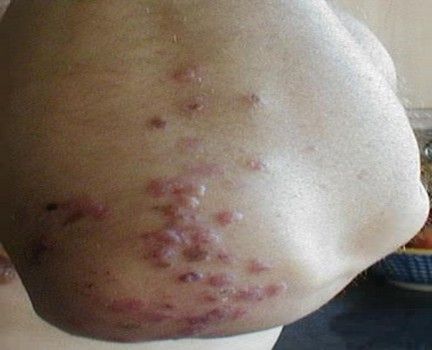
A mysterious rash, raised bumps, skin color to red, sometimes itchy and/or painful, appearing on mostly on elbows, but also on hands, knees, forehead, and other parts of the body and is getting people worried.

Is it contagious?

Dermatologists have noticed more adults and children coming in with the elbow bump rash and prescribing steroids but it does not help the condition at all. Doctors and dermatologists both are misdiagnosing the “rash” as eczema, psoriasis and shingles. It is not either of these skin conditions and patients are coming away frustrated.

Elbows Rashes

Check this Article:Cosmetic Penile Surgery in India

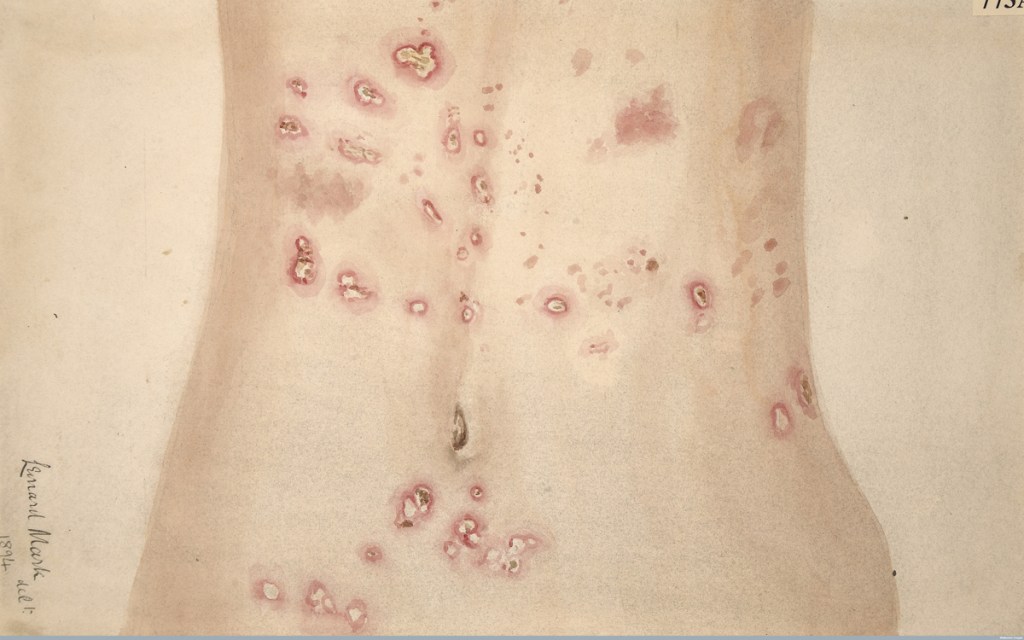
Holistic doctors have found by studying their patients that the mysterious rash is a reaction to eating gluten and the rash is an often over lookesd symptom of Celiac Disease. The skin rash is also know as “Celiac Disease Rash,” or “The Gluten Rash,” but its proper name is Dermatitis Herpetiformis. Dermatitis Herpetoformis can form any where on the body but the areas most noted are the elbows, hands, knees, back and buttocks, it causes itching, tingling and pain, especially when leaned on.

Before the rash actually breaks out it is extremely itchy in the area, depending on the area it leads some people and doctors to think it is a dry skin condition and that simply applying lotion is the answer or steroid creams. The rash may come and go, it may itch or feel like it’s burning. The rash is small to medium sized bumps, red or skin colored that appear as if they could have fluid under them but the skin does not look like a blister. Once the bumps heal a light red rash can be noticed and slight purple marks where the actual bumps were that heal over time.

Doctors have also been prescribing Dapasone for the “rash” and many patients are finding some relief from the itching, but the best relief is a change in your diet to that avoids gluten. Patients only about 20-25%, get the rash with the Celiac Disease. The skin is biopsied in-office by taking a small skin sample. Celiac blood tests are also available.

Celiac disease is triggered by eating protein found in wheat, barley or rye, which cause an immune response in the small intestine when eaten. Gluten can be found in pizza crust, breads, pasta, bagels, pretzels, cereals, chips and alcoholic beverages and candy and even more food products. People with a sensitivity to gluten suffer damage over time to the inner surface of the small intestine and have an inability to absorb (malabsorption) valuable nutrients: vitamins and minerals that are needed for the body, that deprive the brain, liver, periphereal nervous system, bones and other organs that can lead to other serious complications such as osteoporosis.

Symptoms of Celiac Disease are stomach pain and diarrhea, depression, some suffer from constipation, anemia, fatigue and skin conditions, severe menstrual cramping, bones and other organ problems, hormones, infertility, and joints, but you can have the disease with out any overt symptoms.

Dermatitis Herpetiformis Celiac Disease

The gluten-free diet is the best control of your skin rash, it will not go away immediately, after all you have been eating this way for your whole life and it will take some time to completely cleanse your system of the gluten that can be impacted in the creases of your intestines. Cleanses and detoxing can quicken your healing.

Source:http://m.edtreatmentindia.com/

Design a site like this with WordPress.com
Get started