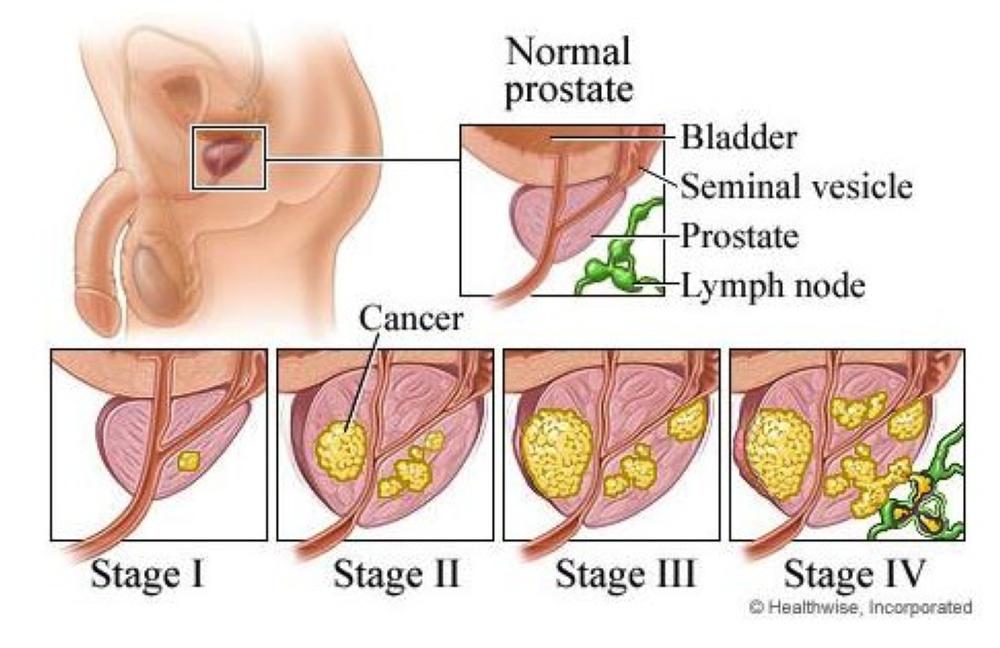
The Basics of Diabetes: Risk Factors

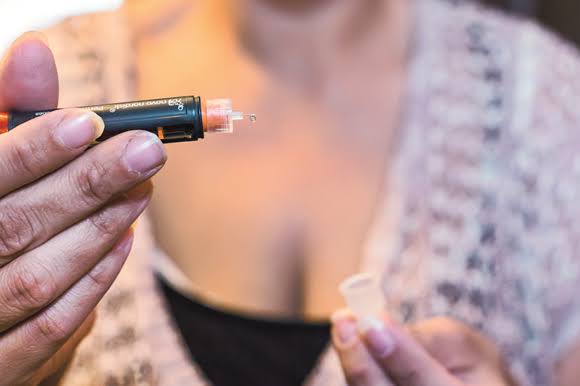
Risk factors for diabetes vary, depending on the type of diabetes.Type 1 diabetes is usually diagnosed in children and young adults. It was previously known as juvenile diabetes. With type 1 diabetes, the body does not produce insulin. Approximately 5 percent of people with diabetes have type 1 diabetes. With proper insulin therapy, type 1 diabetics can live long, healthy lives.

Check this Article: Penile Implant Surgery in India Cost
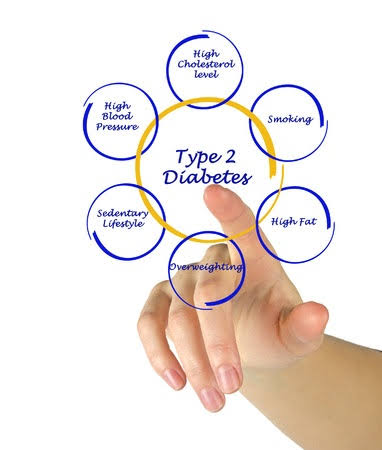
Risk Factors of Diabetes

The exact cause for type 1 diabetes is unknown. It is often considered to be an autoimmune disorder. An infection or some other unknown trigger causes the body to attack itself, and destroy the cells of the pancreas. Lifetime insulin therapy is necessary. There is no way to prevent type 1 diabetes. Early intervention, and lifelong healthy habits, will reduce the risk of diabetic related complications.

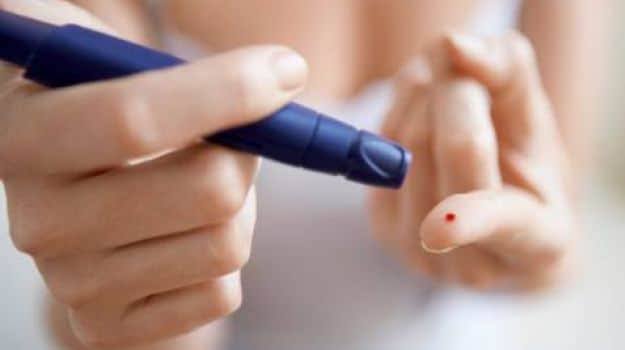
Unlike type 1 diabetes, the symptoms for type 2 diabetes can be more subtle, occurring slowly over a long period of time. A low activity level, a poor diet, and excessive body weight are all risk factors. Many people with type 2 diabetes have these known risk factors and high blood sugars, and are not aware that they have diabetes.

Symptoms for type 2 diabetes can actually include no known symptoms for years. Lack of routine medical care can contribute to people not knowing they are diabetic, all the while suffering the adverse effects of chronically elevated blood glucose levels. Others have symptoms that appear to have no direct link to elevated blood glucose levels, such as frequent infections, poorly healing wounds, and blurred vision and erectile dysfunction. More common symptoms would include the excessive hunger and thirst, fatigue and frequent urination. Blood work is necessary to confirm diabetes; it cannot be diagnosed by symptoms alone.

Gestational diabetes is diabetes that starts or is first diagnosed during a pregnancy. Glucose levels may rise in a pregnant woman due to the changes in hormone levels associated with a pregnancy. Fortunately, the blood glucose levels usually return to normal after the baby is delivered.

Risk factors for gestational diabetes include the following:

  • History of hypertension ( high blood pressure)
  • History of unexplained stillbirth or miscarriage
  • Pre-pregnancy overweight/obesity
  • Family history of diabetes
  • Previous baby weighing greater than 9 pounds at birth

Risk of Gestational Diabetes During Pregnancy

Early diagnosis and treatment are highly recommended for the health and safety of all individuals diagnosed with diabetes.

Source: http://www.edtreatmentindia.com/

Diabetes: A Global Epidemic That We CAN Fix

According to the Centers for Disease Control , a recently released report on Diabetes, states there are at least 29 million people living in the U.S. with diabetes; 28% of these patients are undiagnosed. In a study done from 2009 to 2012, 37% of adults in the U.S. were considered pre-diabetic based on fasting glucose and A1C levels. This equates to 86 million Americans who will become diabetic if something doesn’t change.

Diagnosis and Management of Diabetes

Check this Article:Cosmetic Penile Surgery in India

These estimates, according to Dr. Ann Albright, director of the CDC’s Division of Diabetes Translation, were further elaborated on in a statement, “Diabetes is costly in both human and economic terms. If we do nothing, and the numbers continue to rise, 1 in 5 people will have diabetes by the year 2025, and possibly 1 in 3 by 2050, if we elect to do nothing to stop the progression of this disease.”

Diabetes, both uncontrolled and/or undiagnosed, can lead to a complex set of diseases. Often, these diseases come with life threatening complications. Cardiovascular disease ( heart disease, and stroke) as well as kidney damage, blindness and nerve damage can be attributed to improperly cared for diabetes.

Despite these grim statistics, there is much a person can do to reduce their risk of prediabetes/diabetes. Proper nutrition, weight loss, increased activity, stress reduction, and smoking cessation are all simple ways to reduce personal risk. Medication compliance and proper monitoring of diabetes can also reduce the risk of complications. Diabetes is a chronic disease, yet controllable situation.

Strategy Needed to Diabetes Epidemic

Source:http://m.edtreatmentindia.com/

Diabetics Protected From High Traffic Pollution

Oral diabetes solutions are more compelling than insulin in shielding diabetics from the unfavorable impacts of high activity contamination, says a study. Study members in Puerto Rico who utilized insulin and lived beside streets with substantial movement had especially expanded C-reactive protein (CRP), a marker of irritation, contrasted with those living in lower activity territories.

Oral Medic Diabetes Solutions Better Protects Diabetics From Pollution

Source: HEALTH AND WELLNESS BLOG INDIA

People taking oral diabetes pharmaceuticals did not experience increments in CRP focus. “CRP focus expanded 75-200 percent over the two-year period for those 10 percent of study members living in the most elevated movement ranges who were utilizing insulin when contrasted with those living in lower activity zones,” said first and relating creator Christine Rioux, research partner educator at the Tufts University School of Medicine in the US.

“Interestingly, CRP fixation did not increment for the 22 percent of individuals taking metformin and/or other oral diabetes pharmaceuticals who were likewise living in the high activity territories,” Rioux noted. Of the 356 members in the study, 91 (26 percent) utilized insulin, 197 (55 percent) utilized just oral diabetes prescription and 68 (19 percent) reported utilizing no diabetes pharmaceutical. CRP was measured toward the start of the study and again after two years, utilizing a high affectability test. “It is imperative to know who is most powerless against the unfriendly impacts of activity contamination presentation for purposes of training and arrangement,” Rioux noted.

Individuals who live close by occupied streets and invest the greater part of their time in these zones have been demonstrated in numerous studies to have larger amounts of aggravation, a danger element for some cardiovascular and metabolic illnesses. “This study is essential in light of the fact that numerous individuals who live close to parkways may have diabetes and different genuine constant conditions,” Mkaya Mwamburi from the Tufts University School of Medicine brought up. “It is intriguing to see that medications for diabetes may interface with the dangers connected with introduction to air contamination,” Mwamburi said. The study said that it is not clear why oral diabetes meds, dissimilar to insulin, give off an impression of being defensive and it warrants extra research. The study was distributed online in the journal of Environmental Pollution.

High Traffic Pollution Causes Diabetes

Health Blog URL: http://blog.edtreatmentindia.com/

Smart Insulin Patch Could Provide Painless Blood Glucose Control For Diabetics

Biomedical engineers and diabetes doctors from the University of the North Carolina (UNC) School of Medicine and North Carolina State have developed an insulin patch that is capable of detecting increases in blood sugar levels and secreting insulin doses into the bloodstream when needed. The research was announced on June 22, 2015, and was published in the Proceedings of the National Academy of Sciences.

Smart Insulin Patch to Give Diabetics Respite from Insulin Shots

Check this Article: Penile Implant Surgery in India Cost

The patch is a thin square no larger than a penny. It contains more than 100 tiny needles that are approximately the size of eyelash. The “microneedles” contain microscopic storage units for insulin. The units contain enzymes that sense glucose levels and rapidly release insulin when blood sugar levels become too high. The microneedles penetrate the skin’s surface to tap into the blood flow through the capillaries just below the skin surface. In a mouse model of type 1 diabetes, the patch lowered blood glucose for up to nine hours.

We have designed a patch for diabetes that works fast, is easy to use, and is made from nontoxic, biocompatible materials,” said co-senior study author Zhen Gu, PhD, a professor in the Joint UNC/NC State Department of Biomedical Engineering. “The whole system can be personalized to account for a diabetic’s weight and sensitivity to insulin so we could make the smart patch even smarter.”

While the approach does show great promise, researchers say that more pre-clinical tests and subsequent clinical trials are needed before the patch can be administered to human patients. “Injecting the wrong amount of medication can lead to significant complications like blindness and limb amputations, or even more disastrous consequences such as diabetic comas and death,” John Buse, MD, PhD, co-author of the study and the director of the UNC Diabetes Care Center.

Researchers gave one set of mice a standard insulin injection and measured blood glucose levels that returned to normal and then quickly rose into the hyperglycemic range. They tested another set of mice with the patch and observed that blood glucose levels were brought under control within thirty minutes and stayed level for several hours. The researchers also found that the patch could be fine-tuned to change blood glucose levels in a certain range by changing the dose of the enzyme contained in each microneedle. They found the patch was not as hazardous as insulin injections, which can cause blood glucose levels to plummet to dangerously low levels if administered too often.

The hard part of diabetes care is not the insulin shots, or the blood sugar checks, or the diet but the fact that you have to do them all several times a day every day for the rest of your life, said Buse, the director of the North Carolina Translational and Clinical Sciences (NC TraCS) Institute and past president of the American Diabetes Association. “If we can get these patches to work in people, it will be a game changer.”

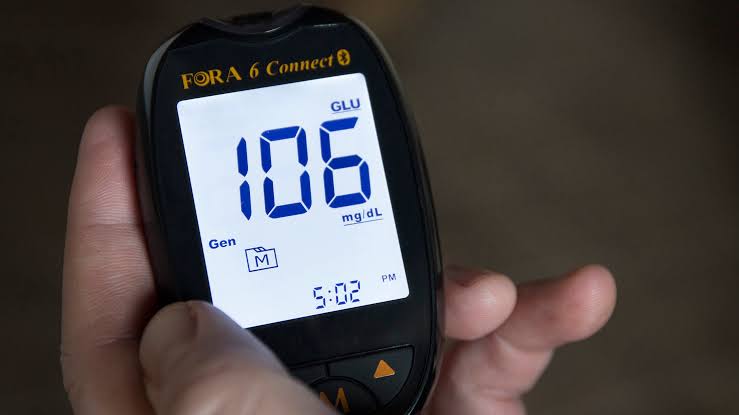
Blood Glucose Levels Meter

Researchers speculate that the patch’s ability to stabilize blood sugar in human patients could last longer than in mice because mice are less sensitive to insulin than humans. Gu said that their goal is to develop a smart insulin patch that only needed to be changed every few days.

Source: http://m.edtreatmentindia.com/

Vitamin E may increase risk of prostate cancer

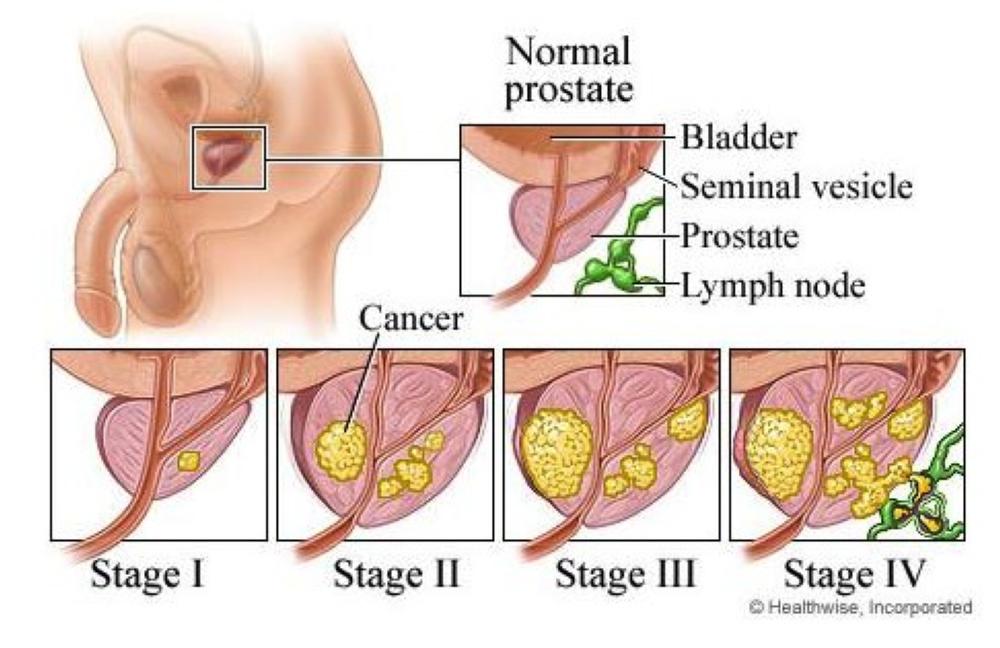
Many Angelenos take one or more—sometimes a dozen or more—vitamins daily; however, that may not be a good thing. Falling on the heels of a study published October 10, which suggested an increased risk of death for older women taking vitamin and mineral supplements, is a new study on men taking vitamin and mineral supplements. The study, which was published in the October 11 issue of the Journal of the American Medical Association, reported that men taking Vitamin E and selenium had a slightly higher risk of developing prostate cancer. These two new studies add to the growing body of evidence that taking extra doses of vitamins can do more harm than good. “You go back 15 or 20 years, and there were thoughts that antioxidants of all sorts might be useful, said Dr. Eric Klein, a Cleveland Clinic physician and national study coordinator for the prostate cancer and vitamin E study. He added, “There really is not any compelling evidence that taking these dietary supplements above and beyond a normal dietary intake is helpful in any way, and this is evidence that it could be harmful.

Read This: Prostate Cancer and Erectile Dysfunction

The Selenium and Vitamin E Cancer Prevention Trial, which was dubbed the Select trial, evaluated whether selenium and Vitamin E, either alone or in combination, could lower a man’s risk for prostate cancer. The trial was halted early in 2008 after a review of the data showed no benefit. Furthermore, it found a slight risk of prostate cancer and diabetes that wasn’t statistically significant. The latest data, based on longer-term follow-up of the men in the trial, reported that users of Vitamin E had a 17% higher—and statistically significant—risk of prostate cancer compared with men who did not take the vitamin, a level that was statistically significant. There was no increased risk of diabetes.

The dosage evaluated in the Select trial was 200 micrograms of selenium and 400 international units of vitamin E. By comparison, most multivitamins contain about 50 micrograms of selenium and 30 to 200 international units of vitamin E. The authors concluded: “Based on existing evidence, we see little justification for the general and widespread use of dietary supplements. Everyone requires vitamins, which are essential nutrients that the body cannot manufacture; however, in the past few years, several high-quality studies have failed to show that high doses of vitamins, at least in pill form, help prevent chronic disease or prolong life.

Source: Penile Implant Treatment in India

Design a site like this with WordPress.com
Get started