Neanderthal diet featured meat and veg Paleo diet optimized for weight loss

Chomp, chomp. A new study has revealed that Neanderthals consumed meat and plants, supporting previous theories that their diets featured protein, reported Businessweek on Wednesday. And although there are similarities, the modern Paleo diet has been modified to boost weight loss and health, say experts.

After finding evidence of metabolized plant products in fossilized feces, researchers have more knowledge about precisely what Neanderthals ate, said Ainara Sistiaga, the study’s lead author. And although meat appeared to provide them with most of their fuel, the plant poop proves that veggies “were ingested as part of the diet.”

Health Blog URL: http://blog.edtreatmentindia.com/

However, when it comes to percentages, the Neanderthals consumed more meat than greens. That conclusion stems from the discovery that the samples contained high concentrations of broken-down cholesterol similar to modern humans, said Sistiaga.

The poop study provides a new slant, indicating that Neanderthals were omnivorous rather than carnivorous, reported Slate magazine on Wednesday. It’s also one of the most in-depth reports thus far, since other studies were based more on speculation.

Scientists also are intrigued by what happened after they discovered fire, estimated to be two million years ago. Researchers theorize that event resulted in a boost in meat intake. “They probably weren’t prepared for such a high meat intake,” speculates Sistiaga.

So how does this study compare with what modern Paleo dieters eat? They both are low carb diets, and both eliminate dairy and grain. However, Paleo gurus emphasize that caveman dieters can customize the plan to enhance their health.

Check this Article: Cosmetic Penile Surgery in India
In an exclusive interview, Robb Wolf, author of “The Paleo Solution: The Original Human Diet,” told me that many people don’t understand the caveman concept approach, which emphasizes quality over quantity. The “calories in, calories out” concept has failed to reverse the rising rates of obesity and its accompanying diseases such as cholesterol.

Insisting that humans need grains and dairy implies that “all food is equal,” says Robb. “The ‘everything in moderation crowd’ (which refers to mainstream medicine and dietetics) has had the last 50 years to preach this message and it has been a complete failure.”

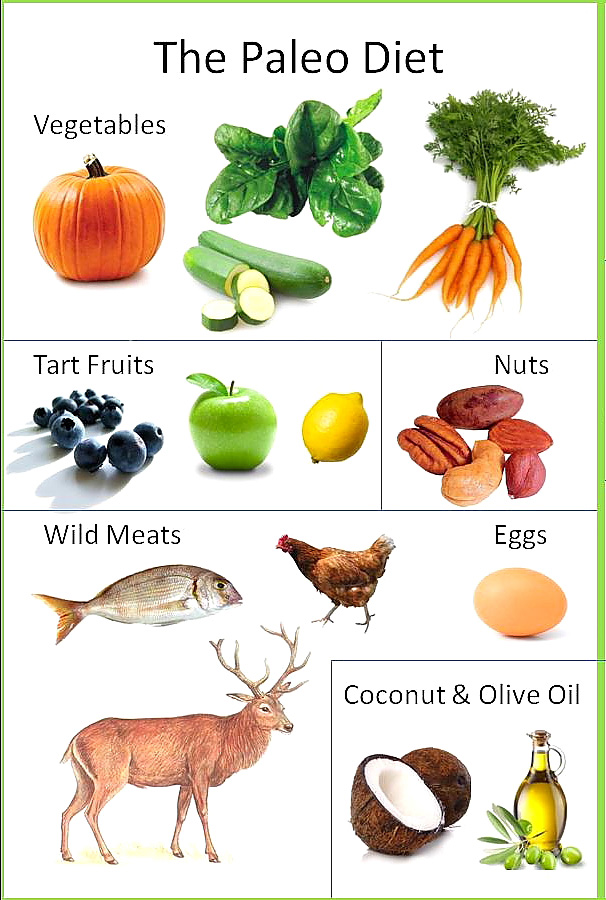
And the Paleo diet today is not limited to meat and veggies. Robb’s research shows that the healthiest approach for dieters is to create a diet “built around fruits, veggies, lean meats, nuts and seeds.”

After numerous studies, Robb feels it is clear that a Paleo diet not only “provides all the nutrients for health, but that the Paleo diet is, calorie for calorie, the most nutritious way one can eat. This position that removing grains and dairy is inherently unhealthy is not based on science.”

Expanding on the omnivorous low carb diet approach, Robb notes that the use of resistant starch in modern Paleo diets highlights “the bigger topic of the human gut biome.” In contrast, consuming refined carbohydrates “appear to feed bacteria in the small intestine leading to a condition aptly named ‘small intestinal bacterial overgrowth.’ This bacterial overgrowth in the small intestine is now being linked to a remarkable number of health issues, from cardiovascular disease to autoimmunity.”

Check this Article: Surgeons in India

The recognition of the role of fiber has grown, and “it has only been recently that we have understood the mechanism to be that of feeding our beneficial gut flora. A Paleo diet built around fruits, veggies, roots, shoots, tubers nuts and seeds provides an enormous variety of fermentable carbohydrate to keep our gut bacteria healthy,” Robb added.

Taking the omnivorous concept one step further, Paul and Shou-Ching Jaminet have created a modified Paleo diet that includes fish, meat, vegetables, fruit and what they call “safe starches.” The latter includes rice and potatoes, which they emphasize as key to health and weight loss. It’s all detailed in their book “Perfect Health Diet: Regain Health and Lose Weight by Eating the Way You Were Meant to Eat.”

As Robb notes, a significant body of science supports the theory that by avoiding foods toxic to humans, dieters can both shed pounds and avoid disease. The “Perfect Health Diet” avoids grains, legumes, refined sugars and processed oils. Another advocate of resistant starch is blogger Richard Nikoley. Author of “Free The Animal: Lose Weight & Fat With The Paleo Diet,” he emphasizes that enhancing the traditional Paleo diet in this way can provide benefits ranging from improved sleep to a boost in weight loss.
Fast Beach Diet accelerates weight loss with six-week diet bootcamp

What’s your vision of summer? Leisurely strolls on the beach? Heading to the pool? If the wonders of warm weather are getting a dose of cold water because last year’s bikini doesn’t fit, there’s a new version of the intermittent fasting plan that can help. It promises to give you the results you desire in just six weeks: “The Fast Beach Diet: The Super-Fast Plan to Lose Weight and Get In Shape in Just Six Weeks.”

Author Mimi Spencer co-authored the famous “The FastDiet: Lose Weight, Stay Healthy, and Live Longer with the Simple Secret of Intermittent Fasting,” which teaches you how to feast five days a week and go on a restricted-calories plan two days to lose weight. In an exclusive interview, she explained how the Fast Beach Diet differs.

1. How does this plan differ from the original Fast Diet?

‘The Fast Beach Diet was written in response to people who asked for a souped-up version of the original 5:2 plan. It’s designed as a kick-start program, which is tougher, wider-ranging and lasts for just six weeks. It includes the introduction of exercise, together with lots of fresh ways to change our habits around food, so that the choices we make on a daily basis can be as healthy and sustainable as possible. Basically, it is an extension of the original plan – but the key factor is that it is only intended to last for six weeks. It’s like a boot camp for fasters!”

2. What tips can you offer for restricted calorie days?

“Five-hundred calories (or six-hundred for a man) is, admittedly, not a great deal, so it matters that you choose your food wisely on a Fast Day. The 5:2 rule is ‘Mostly Plants and Protein’. Fill your plate with vegetables and salad, and cut back hard on fast-release carbs (these are the white ones – white bread, potatoes, white rice etc). Eat some protein, but make it lean (shellfish, skinless chicken, vegetable protein in the form of beans or tofu…) You need to opt for things that are satiating, so look for bulk and fiber from veggies – and dishes that are full of flavor (lemon, chili, herbs, spices – these all become paramount on a Fast Day).”

It’s important to understand that, while you may experience hunger pangs on a Fast Day, they are nothing to fear; they tend to be transient and increasingly manageable. The trick is to keep busy, distract yourself, and stay hydrated. Fasting gets easier in time – and remember, you do have some calories going in. This is not a total fast, just a brief break from food.

3. How much weight can someone lose in four weeks on the FastBeach Diet?

“The program is for six weeks, and a 2lb a week loss would be feasible. Some weeks you may lose more (particularly at the start); others may be slower going. Look at the trajectory not the daily number.”

4. What are the benefits in addition to weight loss?

“The benefits of intermittent fasting go beyond any expected weight or fat loss. It can help cut the risk of a number of age-related diseases, and encourage the body’s repair mechanisms. There can be improvements in cardiovascular health, blood pressure and cholesterol levels, and fasting also gives your pancreas a rest, boosting the effectiveness of the insulin it produces in response to elevated blood glucose.

Check this Article: Penile Implant Surgery in India Cost

“As my co-author Dr Michael Mosley points out in the original book, fasting will tweak your body into fat burning and increase its insulin sensitivity; this is turn will reduce your risk of obesity, diabetes, heart disease and cognitive decline. There’s even evidence that it increases levels of neurotrophic factor in the brain, which should make you more cheerful.

“Beyond these anticipated benefits, there is a more subtle, psychological edge: The Fast Diet helps modify our behavior around food, making us more mindful and aware; it offers a practical way to understand our appetite, and give a bit more attention to what’s on the fork. For anyone who tends to eat on autopilot (hey, who doesn’t?), that new awareness can be hugely beneficial.

5. What’s a sample day like on a restricted calorie day? (There’s also a cookbook: “The FastDiet Cookbook: 150 Delicious, Calorie-Controlled Meals to Make Your Fasting Days Easy.”)

“Most fasters opt for a 5:2 protocol, fasting perhaps on a Monday and a Thursday each week. Some will have breakfast (protein is important here, so an egg would be great) at, say, 7am – then a ‘Fasting Window’ of around 12 hours until supper at 7pm. They divide their calories between those two meals, looking for bulk and satiety from plants, plus some protein. Other 5:2 followers choose to save all their calories for an evening meal, which effectively means they are fasting for a longer period of time. Both approaches can be successful – it’s up to the individual to experiment and discover what works for them.”

Source: http://m.edtreatmentindia.com/

Design a site like this with WordPress.com
Get started