Prevent diabetes with nutrition and exercise, not pills

Nutrition and exercise can delay diabetes for at least a decade and those lifestyle changes work better than a popular drug.

In the late 1990s, the Diabetes Prevention Program randomly assigned, to one of three groups, roughly 3,200 people who were at risk for diabetes because they were overweight or obese and had fasting blood sugar levels that were elevated (at least 95 mg/dL) but not high enough to warrant a diagnosis of diabetes (126 mg/dL or higher).

Those assigned to the intensive lifestyle group were encouraged to lose at least 7 percent of their body weight and to exercise for at least 2½ hours a week.

The drug group was given the oral diabetes drug metformin (850 milligrams twice a day).

The placebo group was given lookalike but inactive pills.

In 2001, the researchers halted the study one year earlier than planned because the results were so clear: The risk of diabetes was 58 percent lower in the intensive lifestyle group than in the placebo group.

Check this Article: Penile Implant Surgery in India

Metformin cut the risk by 31 percent versus the placebo. In a follow-up study, the researchers invited the people from all three of the original groups to attend coaching sessions on intensive lifestyle changes every three months.

During the next six years, the people from the original intensive lifestyle group maintained their lower risk of diabetes, while the risk of people from the original drug and placebo groups declined.

But since the people in the original lifestyle group had a head start, their 10-year risk of diabetes was 34 percent lower than the risk of those in the original placebo group. The metformin group’s risk was 18 percent lower than the original placebo group’s.

Type 2 diabetes is associated with obesity, especially abdominal obesity. Type 2 diabetics usually produce enough insulin but their cells are insulin resistant. This can result in hyperglycemia (high blood sugar). If left uncorrected, it leads to kidney, heart, eye and nerve damage.

Source: HEALTH AND WELLNESS BLOG INDIA

You can prevent diabetes even if you are pre-diabetic. Start eating better and exercising regularly. Start today.

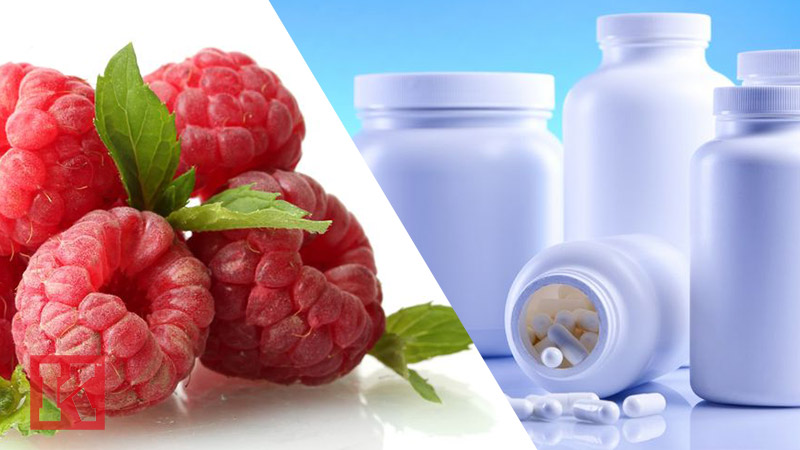
5 secrets about raspberry ketones and weight loss

Raspberry ketones seems to be a current superstar in the weight loss arena. Its important to remember that for you to achieve permanent weight loss, it takes many changes and adjustments on your part. When you rely on a single “weight loss product,” diet or fitness gadget to build a lean and healthy body, you are setting yourself up for failure.

For long-term weight loss success to happen, you will need to commit to a lifestyle of health and fitness. There are no shortcuts. Quick weight loss gimmicks will lead you to more weight regain and excess body fat.Yes, permanent weight loss success will always primarily be about what, when and how much you eat and whether you are consistently exercising and be active. Let those facts sink into your subconscious.

Here are 5 secrets about raspberry ketones provided by Kevin DiDonato, MS, CSCS, CES:

1. Raspberry ketones has been around since 1965, but until recently, was not researched extensively. The nutrient has been made famous by Dr. Oz.

Raspberry ketones, otherwise known as rheosmin, has been shown in research to increase fat metabolism in your fat cells. Research suggests that aromatic components in red raspberries work by increasing enzyme activity, increasing oxygen consumption, and increasing heat production in some fat cells in your body. Put together, this may lead to lower levels of fatty acids being stored in your fat cells – resulting in more weight loss.

2. Raspberry ketones has also been linked to an increase in the expression of adiponectin levels in your blood, which could stimulate increased energy expenditure. According to one study published in Planta Medica, exposure of raspberry ketones in fat cells may be linked to increased fat oxidation and adiponectin levels.

Adiponectin, which is a protein secreted exclusively from your fat cells, has been linked to increased fatty-acid oxidation and fatty-acid breakdown. It has been shown to be decreased in overweight or obese individuals, but losing weight has been shown to dramatically increase your levels.

3. Adiponectin has been shown to impair your immature fats cells (pre-adipocytes) from turning into mature, full-fledged fat cells. Plus, it may increase energy expenditure. Raspberry ketones, according to some clinical studies, has been shown to raise adiponectin levels, which could partly explain the powerful effects of raspberry ketones.

The author of this study aimed to evaluate the effects of raspberry ketones on the expression and secretion of adiponectin, lipolysis, and fatty-acid oxidation in white fat cells.

4. White fat cells (different than brown, beige, or visceral fat) are cells that store extra fatty acids circulating in your blood for later use. They are also responsible for hormone and cytokine secretion, which makes fat cells an endocrine organ in your body.

Health Blog URL: http://blog.edtreatmentindia.com/

The researchers administered raspberry ketones to white adipose fat cells. They discovered that raspberry ketones increased lipolysis significantly in white fat cells; plus, it increased the expression and secretion of adiponectin in those same cells. Also, he noted that raspberry ketones was able to increase fat oxidation and suppress fat accumulation in those very same fat cells.

From their work, they concluded that raspberry ketones showed promise as an herbal medicine due to their biological activities in promoting greater lipid metabolism in white fat cells.

5. Raspberry ketones, the aromatic polyphenol found in red raspberries, has received tremendous media exposure as of late due to their ability to improve weight loss results, and rightly so. Raspberry ketones may increase fatty-acid oxidation, increase lipolysis, and increase the expression and secretion of adiponectin (powerful adipokine released by your fat cells).

In fact, the results of this study showed that raspberry ketones, when administered to white fat cells, could be responsible for the increase in adiponectin levels, fat burning, and prevention of fat being stored in the fat cells.

Raspberry ketones, along with a balanced diet and sound exercise program, may increase fat burning and reduce overall fat accumulation in your cells.

Check this Article: Cosmetic Penile Surgery in India

Design a site like this with WordPress.com
Get started