Prostate Cancer May Respond To A Low-Fat Diet

As men age they generally live in fear of getting prostate cancer. This can be a devastating illness which can result in severe pain and suffering and premature death. And, so men are always searching for naturally safe manners to prevent prostate cancer or to treat this illness if it strikes. Bioscience Technology reported on Nov. 19, 2013, that a low-fat diet changes prostate cancer tissue. UCLA researchers found that men with prostate cancer who ate a low-fat diet and took fish oil supplements had lower levels of pro-inflammatory substances in their blood.
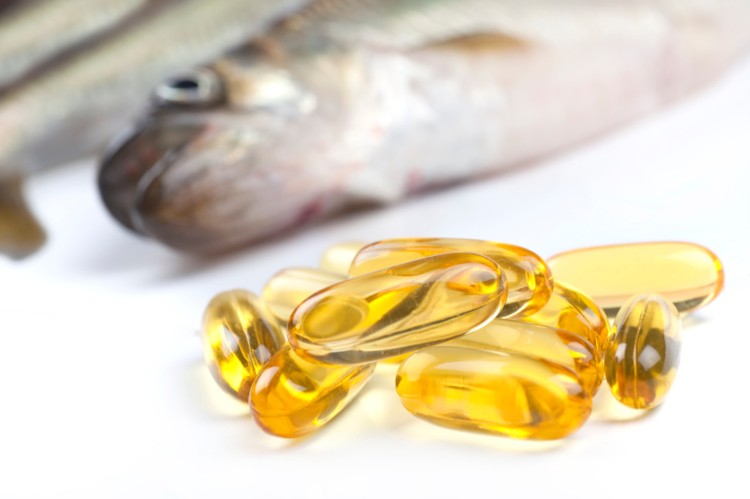
Low Fat, High Fish Oil Diet May Benefit Men With Prostate Cancer

  Check this Article:Cosmetic Penile Surgery in India   

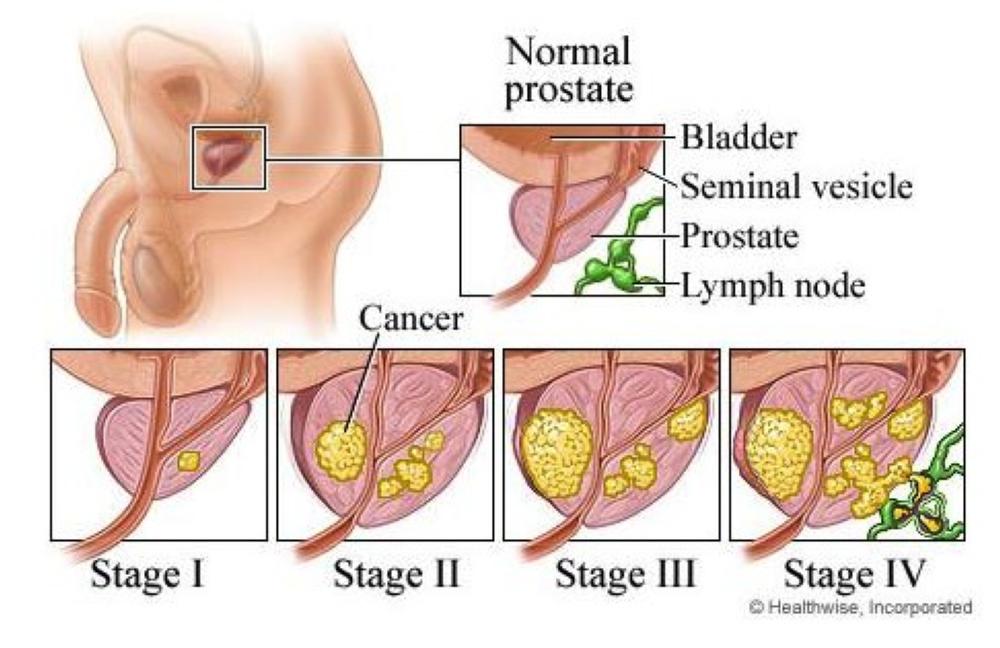
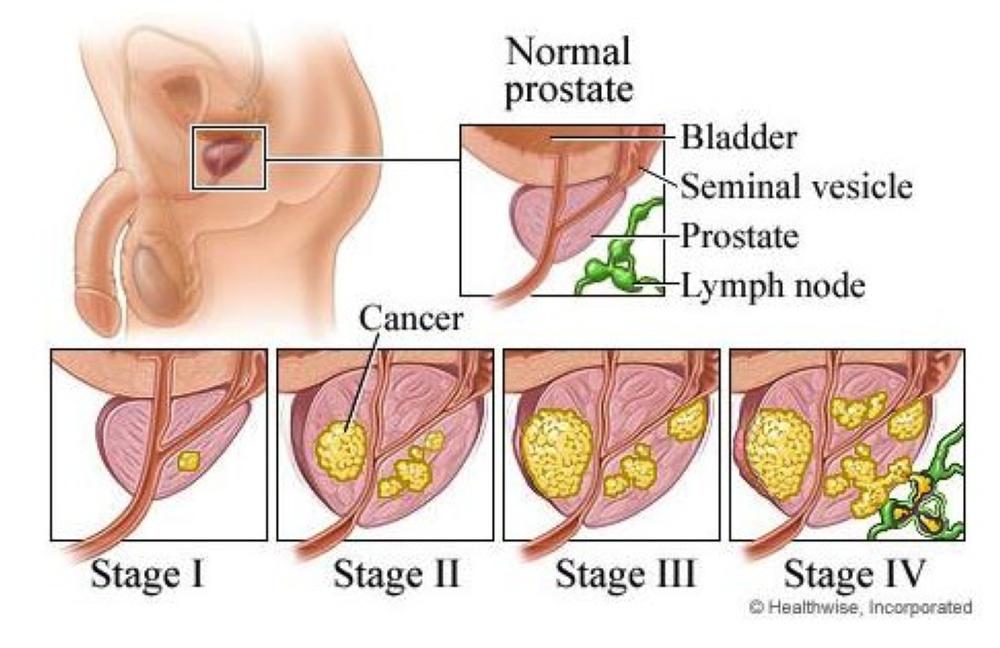
Mayo Clinic notes that prostate cancer is one of the most common types of cancer which occurs in men. Prostate cancer generally grows slowly and initially remains confined to the prostate gland, where it may not cause any serious harm. Although some types of prostate cancer grow slowly and may need only minimal or no treatment, other types of prostate cancer are very aggressive and can spread quickly. Prostate cancer has been recognized as a leading cause of death among men in the United States. It’s estimated that greater than 230,000 American men will be diagnosed with prostate cancer this year alone, and more than 29,000 will die from this disease.

Aside from lower levels of pro-inflammatory substances in their blood, men with prostate cancer who ate a low-fat diet and took fish oil supplements also had a lower cell cycle progression score, which is a measure used to predict cancer recurrence, than men who ate a typical Western diet. Lead study author Dr William Aronson, has said these findings are significant because lowering the cell cycle progression (CCP) score has the potential to help prevent prostate cancers from becoming more aggressive. These findings offer promise for safe nutritional approaches to help deal with prostate cancer.

A Low-Fat Diet,Prostate Cancer Balanced Diet Food Background

Source:http://www.edtreatmentindia.com/

UCLA Stem Cell Research May Lead To Improved Prostate Cancer Treatment

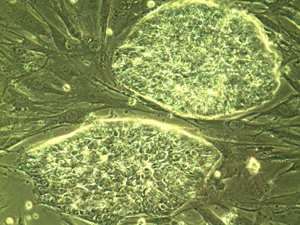
Researchers at UCLA’s Eli and Edythe Broad Center of Regenerative Medicine and Stem Cell Research have made another breakthrough in the fight against prostate cancer. They found that two types of malignant prostate cancer cells can develop in one type of stem cell; thus, making prostate cancer stem cells a “moving target” for treatments. The researchers note that the finding could lead to new and improved treatments that can target prostate cancer cells. They published their findings online on November 26 in the Proceedings of the National Academy of Sciences.

Stem Cell (Cancer Cell)

Check this Article: Penile Implant Surgery in India Cost

Adult stem cells are regenerative cells that replace diseased or damaged cells in organs. The researchers previously reported that prostate cancer can originate in basal type stem cells. The new study, based on that research, showed that tumors can start in basal stem cells that evolve to luminal cells that result in aggressive spread of the cancer and that these luminal cells can change in their characteristics over time; thus, making them resistant to treatment.

Study author Dr. Andrew Goldstein explained, “People have begun to think about cancers as being driven by stem cells in the same way that many of our adult organs are maintained by dedicated stem cells. Based on this new understanding, a lot of excitement surrounds the concept of going right to the root of the tumor and targeting those stem cells to eradicate the cancer.”

Patients with aggressive prostate cancer are often treated with anti-androgen (anti-male hormone) therapy; the basal stem cells that develop into the cancer cells look different from the luminal cells that maintain the aggressive disease. In addition, the tumor stem cells that are not destroyed by the anti-androgen treatment look different from the previous two. Because of this process, in order to develop an appropriate treatment, the researchers must identify cell types that evolve as the disease and its treatment develop. Now that the researchers have determined that prostate cancer stem cells can change what their appearance, he investigators are now searching for possible elements that are consistent within the stem cells and do not change through stem cell evolution.

They are of the opinion that this knowledge will help develop drugs that target the evolving cancer stem cells. Thus , they are now attempting to detect some of the factors that define a stem cell regardless of its external appearance. They stress that it is extremely important to understand the continual evolution of the stem cell’s physical appearance, particularly as tumors adapt to become resistant to new and more potent therapies.

Prostate Cancer Treatment

Source:http://m.edtreatmentindia.com/

Vitamin E may increase risk of prostate cancer

Many Angelenos take one or more—sometimes a dozen or more—vitamins daily; however, that may not be a good thing. Falling on the heels of a study published October 10, which suggested an increased risk of death for older women taking vitamin and mineral supplements, is a new study on men taking vitamin and mineral supplements. The study, which was published in the October 11 issue of the Journal of the American Medical Association, reported that men taking Vitamin E and selenium had a slightly higher risk of developing prostate cancer. These two new studies add to the growing body of evidence that taking extra doses of vitamins can do more harm than good. “You go back 15 or 20 years, and there were thoughts that antioxidants of all sorts might be useful, said Dr. Eric Klein, a Cleveland Clinic physician and national study coordinator for the prostate cancer and vitamin E study. He added, “There really is not any compelling evidence that taking these dietary supplements above and beyond a normal dietary intake is helpful in any way, and this is evidence that it could be harmful.

Read This: Prostate Cancer and Erectile Dysfunction

The Selenium and Vitamin E Cancer Prevention Trial, which was dubbed the Select trial, evaluated whether selenium and Vitamin E, either alone or in combination, could lower a man’s risk for prostate cancer. The trial was halted early in 2008 after a review of the data showed no benefit. Furthermore, it found a slight risk of prostate cancer and diabetes that wasn’t statistically significant. The latest data, based on longer-term follow-up of the men in the trial, reported that users of Vitamin E had a 17% higher—and statistically significant—risk of prostate cancer compared with men who did not take the vitamin, a level that was statistically significant. There was no increased risk of diabetes.

The dosage evaluated in the Select trial was 200 micrograms of selenium and 400 international units of vitamin E. By comparison, most multivitamins contain about 50 micrograms of selenium and 30 to 200 international units of vitamin E. The authors concluded: “Based on existing evidence, we see little justification for the general and widespread use of dietary supplements. Everyone requires vitamins, which are essential nutrients that the body cannot manufacture; however, in the past few years, several high-quality studies have failed to show that high doses of vitamins, at least in pill form, help prevent chronic disease or prolong life.

Source: Penile Implant Treatment in India

Design a site like this with WordPress.com
Get started